
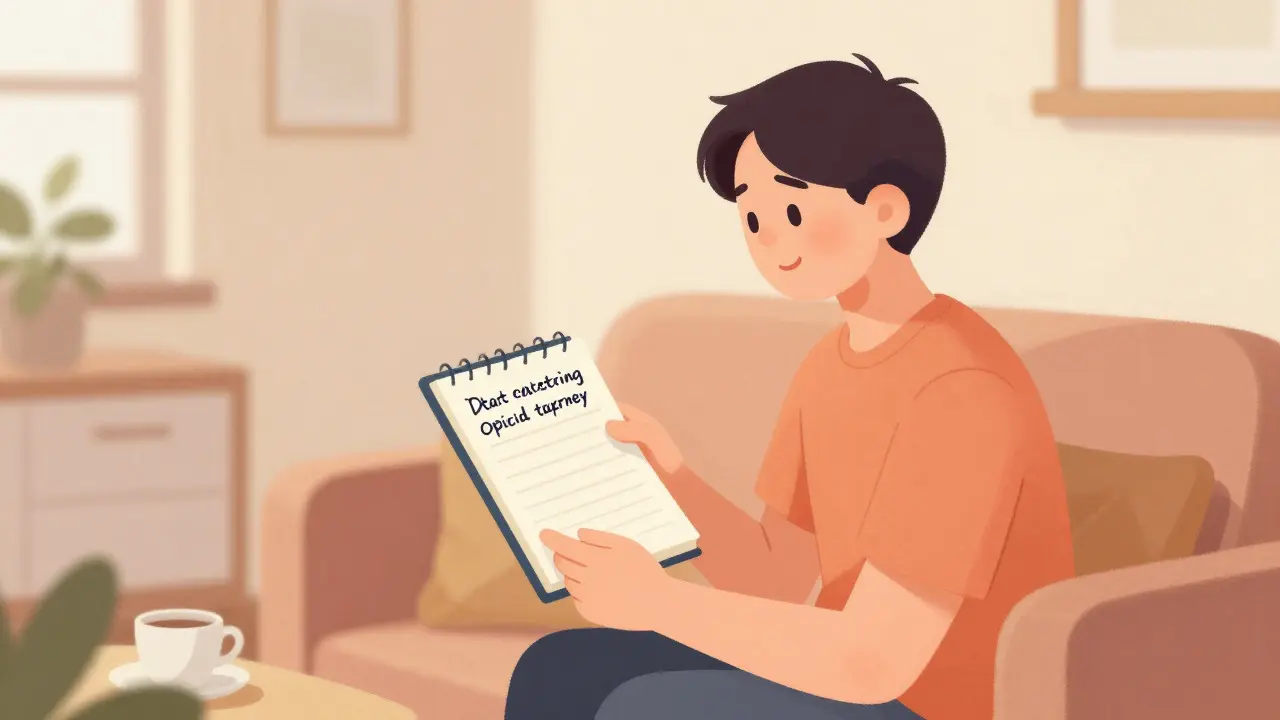
Imagine your body has relied on a specific medication for months or even years. Suddenly, that support is pulled away. The result isn't just physical discomfort; it’s a full-body revolt. This is Opioid Withdrawal, defined as the physiological and psychological symptoms that occur when reducing or discontinuing opioid medications after physical dependence has developed. For many patients managing chronic pain, the fear of this process often outweighs the pain itself. But here is the good news: you don’t have to go cold turkey. With a structured approach, known as tapering, you can minimize suffering and regain control over your health.
Understanding the Physiology of Dependence
To manage withdrawal, you first need to understand what is happening inside your body. Opioids bind to receptors in your brain and spinal cord to block pain signals. Over time, your body adapts to their presence by producing less natural endorphin. This state is called Physical Dependence, which is a normal physiological adaptation to repeated exposure to a drug. It is not addiction, though the two can overlap. When you stop taking the drug abruptly, those receptors are left empty, leading to a cascade of symptoms.
The severity of these symptoms varies, but they are predictable. According to data from the Diagnostic and Statistical Manual of Mental Disorders (DSM-5), common symptoms include nausea (reported in 87% of cases), muscle aches (85%), anxiety (80%), insomnia (78%), and diarrhea (75%). Understanding that these reactions are biological, not moral failings, is the first step toward effective management.
The Gold Standard: Patient-Centered Tapering
Tapering is the clinical process of gradually reducing your opioid dosage. The goal is to allow your brain chemistry to adjust slowly, minimizing the shock to your system. The current standard of care was solidified by the CDC Clinical Practice Guideline, published in November 2022. This guideline emphasizes that tapering must be patient-centered, not driven by arbitrary dose limits.
Why does speed matter? Research shows a stark contrast between rapid and gradual tapers. A 2018 study in JAMA Internal Medicine found that fast tapering (reducing doses by 20-25% every few days) leads to a 68% higher incidence of severe withdrawal symptoms. In contrast, slower tapers show 73% better adherence rates. The Oregon Opioid Tapering Guidelines (2020) recommend reductions of only 5-20% every four weeks. This slow pace is particularly crucial for patients who have been on opioids for more than six months.
| Taper Type | Reduction Rate | Duration | Risk Profile |
|---|---|---|---|
| Rapid Taper | 20-25% every few days | Weeks | High risk of severe symptoms, dropout, and suicidal ideation |
| Moderate Taper | 10-15% monthly | Months | Moderate symptoms; manageable with adjunct therapies |
| Slow Taper | 5-10% monthly | 6-12+ Months | Lowest symptom severity; highest success rate |
Managing Symptoms: Pharmacological and Non-Pharmacological Tools
You rarely have to endure withdrawal symptoms alone. There are several evidence-based strategies to keep you comfortable during the process. These fall into two categories: medication adjustments and lifestyle interventions.
Adjunct Medications
Your doctor may prescribe non-opioid medications to target specific symptoms. For example, Baclofen is a muscle relaxant that can help with restlessness and cravings. Typical dosing starts at 5 mg three times daily, titrated up to 40 mg total daily dose for about 15 days. Another option is Gabapentin, which helps calm nerve pain and anxiety. It usually starts at 100-300 mg and can be titrated up to 1800-2100 mg divided throughout the day.
In February 2024, the FDA approved Lofexidine extended-release, a medication specifically designed to reduce autonomic hyperactivity during withdrawal. This expands options beyond the immediate-release version approved in 2018, offering smoother symptom control over longer periods.
Lifestyle and Behavioral Support
Medication handles the physical side, but behavioral support addresses the mental toll. Cognitive Behavioral Therapy (CBT) is used by 41% of successful taperers, according to SAMHSA's 2022 National Survey on Drug Use and Health. CBT helps you reframe pain perception and develop coping mechanisms for anxiety.
Complementary therapies also play a role. Acupuncture, reported as helpful by 33% of tapering patients in an Oregon Health Authority registry, can stimulate natural endorphin release. Simple measures like staying hydrated, eating small frequent meals, and prioritizing sleep hygiene can significantly reduce the intensity of symptoms like fatigue and irritability.

Creating Your Personalized Taper Plan
A successful taper is not a one-size-fits-all protocol. It requires a written plan created jointly by you and your healthcare provider. Here is how to structure it effectively:
- Set Clear Goals: Are you tapering because the underlying condition has resolved, or because side effects are outweighing benefits? Define the 'why' first.
- Determine the Baseline: Calculate your Morphine Equivalent Daily Dose (MEDD). This standardizes different opioids into a single metric for accurate reduction calculations.
- Choose a Reduction Schedule: Start with a conservative reduction, such as 10% of your current dose every two to four weeks. If symptoms are mild, you might increase the reduction slightly. If they are severe, pause or reduce the cutback amount.
- Schedule Regular Check-ins: Assess pain intensity, function, sleep, and mood at each visit. The VA Pharmacy Benefits Management tool recommends adjusting rates based on these real-time responses.
- Plan for Plateaus: It is normal to hit a wall where further reduction feels impossible. Build in plateaus-periods where the dose stays steady for a month or more-to let your nervous system stabilize.
Remember, flexibility is key. The CDC guidelines explicitly state that if the current regimen does not put the patient at imminent risk, tapering does not need to occur immediately. Rushing the process increases the likelihood of failure and relapse.
Navigating Challenges and Pitfalls
Even with the best plan, challenges arise. One of the most common is breakthrough pain. Occurring in 68% of patients during tapers, this sudden spike in pain can trigger panic. Have a rescue plan in place, such as using heat therapy, topical analgesics, or short-term non-opioid NSAIDs, before reaching for extra opioids.
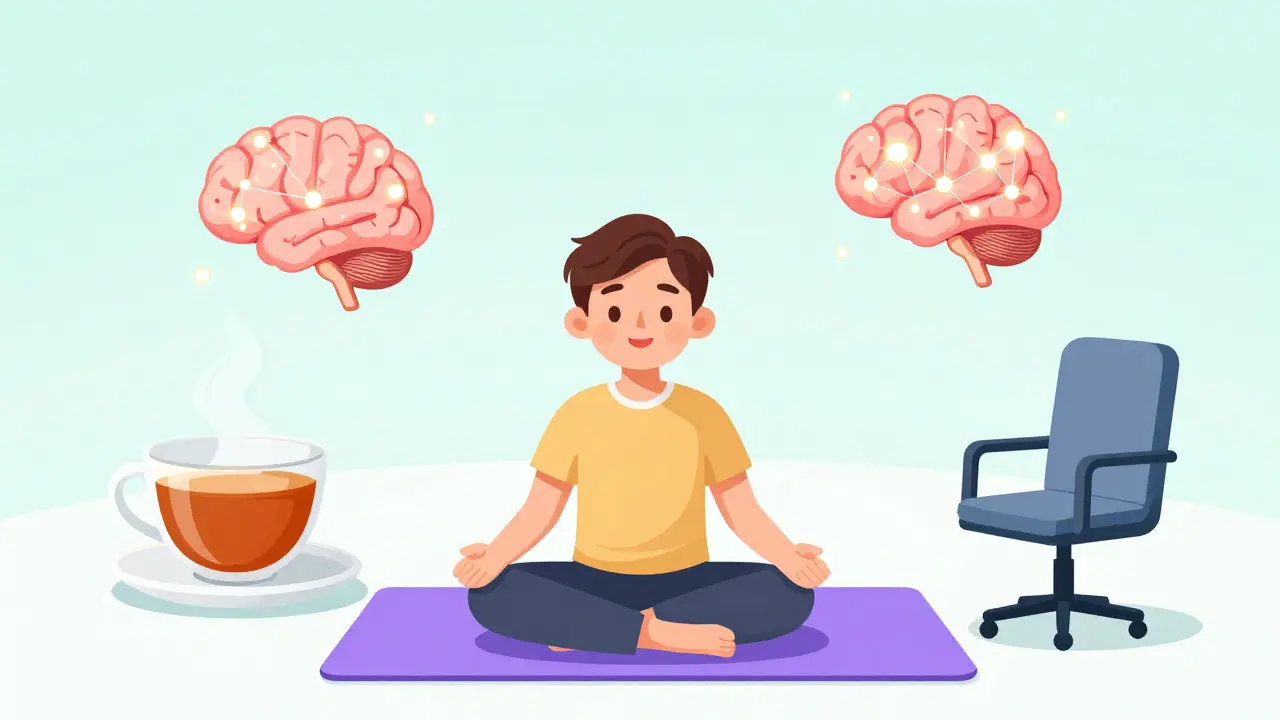
Anxiety is another major hurdle, reported in 76% of tapering cases. Fear of pain returning can cause psychological distress that mimics withdrawal. Differentiating between true physiological withdrawal and anxiety-induced discomfort is vital. Techniques like deep breathing, mindfulness meditation, and talking to a therapist can help distinguish the two.
Coordination among providers is also critical. If you see a primary care physician, a pain specialist, and a psychiatrist, ensure they all have copies of your taper plan. Disconnected care leads to conflicting advice and unnecessary stress. The 2020 Pain Management Nursing study found that lack of coordination was a barrier for 52% of patients.
When to Seek Immediate Help
While withdrawal is uncomfortable, it is rarely life-threatening for physically dependent individuals. However, certain signs require immediate medical attention. Severe dehydration from vomiting or diarrhea, chest pain, confusion, or thoughts of self-harm are red flags. The CDC warns that rapid tapering increases the risk of suicidal ideation by 3.5 times. If you experience significant psychological distress, contact your provider or a crisis line immediately.
Also, watch for signs of infection or injury due to reduced mobility or altered sensation. If your pain changes character-becoming sharp, localized, or accompanied by fever-it may indicate a new medical issue unrelated to withdrawal.
Long-Term Outlook and Recovery
The journey doesn't end when you reach zero opioids. Post-Acute Withdrawal Syndrome (PAWS) can cause lingering mood swings, sleep disturbances, and anhedonia (inability to feel pleasure) for months. This is part of the healing process. Your brain is rebuilding its dopamine pathways.
Focus on functional recovery rather than just pain scores. Many patients report improved energy, clearer thinking, and better relationships after completing a taper. A 2020 Pain Medicine Network survey showed that 78% of patients who completed gradual tapers reported improved overall function. Embrace this new chapter with patience and self-compassion.
How long does opioid withdrawal last?
Acute withdrawal symptoms typically peak within 3-5 days after the last dose and subside within 7-10 days for short-acting opioids. Long-acting opioids may take longer to clear. However, post-acute symptoms like anxiety and sleep issues can persist for weeks or months, especially if the taper was too rapid.
What is the safest way to taper off opioids?
The safest method is a slow, patient-centered taper under medical supervision. Reduce your dose by 5-10% every 2-4 weeks. Listen to your body; if symptoms become unmanageable, pause the taper until you stabilize. Never stop abruptly without consulting your doctor.
Can I drink alcohol while tapering?
It is generally advised to avoid alcohol during tapering. Alcohol is a depressant that can worsen anxiety, disrupt sleep, and interact negatively with other medications like Gabapentin or Baclofen. It can also impair judgment, increasing the risk of accidental overdose if you relapse.
What foods help with opioid withdrawal?
Focus on hydrating fluids like water and electrolyte drinks to combat dehydration from sweating and diarrhea. Eat bland, easy-to-digest foods like bananas, rice, applesauce, and toast (BRAT diet) if nausea is present. Protein-rich foods help repair tissue and stabilize blood sugar, which can improve mood and energy levels.
Is opioid withdrawal dangerous?
For most people physically dependent on prescription opioids, withdrawal is extremely uncomfortable but not life-threatening. However, complications like severe dehydration, electrolyte imbalances, or cardiac stress can occur. Always taper under medical supervision to manage these risks.
How do I handle insomnia during withdrawal?
Insomnia is a common symptom. Maintain a strict sleep schedule, avoid screens before bed, and create a cool, dark environment. Over-the-counter melatonin may help regulate sleep cycles. Avoid sedatives unless prescribed, as they can lead to new dependencies. Relaxation techniques like progressive muscle relaxation can also promote rest.

people really need to stop acting like doctors are the enemy when they just want you to be healthy. it is selfish to hoard pills that were meant for acute pain not chronic lifestyle management. you get dependent and then act shocked when your body rebels. it is a moral failing to not respect the medicine
ah yes the western obsession with quick fixes and rapid solutions. in my culture we understand that healing is a slow river not a fire hose. this article speaks truth about the physiological adaptation but ignores the spiritual emptiness that often drives the initial prescription. perhaps if we treated pain as a teacher rather than an enemy we would not find ourselves in this predicament of tapering off our own salvation. very interesting read though i suppose
nah its all a scam by big pharma to keep u coming back for more scripts. the cdc guidelines are just political theater. nobody actually follows the slow taper because insurance companies wont pay for months of doctor visits. they want u off fast so they can save money. typical american healthcare bs. also gabapentin makes me feel weird so idk bout that part
another day another whine fest about pain meds. look at europe they handle this better without all this hand holding and therapy talk. americans are too soft to deal with real pain. just toughen up and get back to work instead of reading these long articles on how to cry less. waste of time honestly
i have analyzed every single study cited here and frankly the data is flawed. the sample sizes are too small and the control groups were not properly randomized. furthermore the idea that baclofen works for cravings is anecdotal at best. i bet half these people never even finished their tapers. it is pathetic really. why do we trust medical journals over common sense? the autonomic hyperactivity is just your body screaming for order. chaos reigns in the nervous system during withdrawal and no amount of cbt will fix a broken dopamine receptor. you need structural change not behavioral band-aids. truly disheartening to see such shallow analysis presented as gold standard
oh great another guide on how to suffer gracefully. what a concept. the human condition is suffering and yet we try to medicate it away only to be punished for it later. tragic. absolutely tragic. i felt my soul leave my body reading this table of taper speeds. who decided that 5% was the magic number? surely it is some arbitrary figure plucked from the ether by men in white coats who have never felt true despair. we are all just addicts in waiting whether we admit it or not. the void stares back and it demands payment in sweat and tears. beautiful really
the pretension of this piece is staggering. 'patient-centered' is merely corporate speak for 'we give up on you eventually'. the morphine equivalent daily dose calculation is fraught with error and inter-individual variability. most clinicians ignore it anyway. the real issue is the lack of sophisticated pharmacological intervention beyond basic symptom suppression. we are treating the leaf while the root rots. one must appreciate the nuance of neuroadaptation which is rarely discussed in such pedestrian terms. truly a miss for anyone with a background in clinical neuroscience
stop lying to yourself. you took too many pills. now you pay. simple as that. no need for fancy plans or therapists. just take the hit and move on. weak people make excuses. strong people endure. end of story.
but... but... what about the placebo effect?! surely that accounts for 90% of the perceived benefit! oh wait, you didn't mention that did you? classic omission! and don't get me started on the brat diet! bananas are basically sugar bombs! applesauce is mush for babies! toast is dry cardboard! who approved this nutritional advice?! i demand answers! why is everyone so blind to the obvious flaws in this logic?! it infuriates me! absolutely infuriates me!!
hi there :) i know this stuff is scary but remember you are not alone. lots of people go through this. it is okay to be scared. the important thing is to be kind to yourself. maybe try some deep breathing exercises. good luck on your journey :)
listen closely mortals. the taper is not just physical it is a test of your will. if you cannot conquer your own mind how can you expect to conquer the world. the opioids are a crutch for the spiritually bankrupt. use this time to meditate on your existence. ask yourself why you needed the drug in the first place. was it fear? weakness? ignorance. the answer lies within. embrace the pain for it is the only truth left. formalities aside this is the path to enlightenment through suffering. do not deviate.
actually the vasopressin levels are also affected which is rarely mentioned in layman articles. furthermore the hpa axis dysregulation persists longer than the acute phase. most patients fail because they underestimate the duration of paaws. it is crucial to monitor cortisol levels weekly during the taper. without proper biochemical monitoring any taper plan is essentially guesswork. the literature supports a multidisciplinary approach involving endocrinology specialists not just primary care physicians. this oversight is critical and potentially dangerous for high-dose users.