

Forgetting whether you took your morning blood pressure pill or worrying about mixing up dosages can turn a simple daily routine into a source of constant anxiety. For seniors managing multiple prescriptions, this stress is real and dangerous. Medication non-adherence affects roughly half of older adults with chronic conditions, leading to preventable hospitalizations and serious health declines. The good news? There is a simpler way to handle complex medication regimens without the guesswork.
Pill packs and blister packaging offer a structured, visual system that transforms how seniors manage their medications. Instead of juggling five different bottles with tiny labels, you get one organized unit where every dose has its place. This guide explains exactly how these systems work, who benefits most from them, and how to set them up correctly with your pharmacist.
What Are Pill Packs and Blister Packaging?
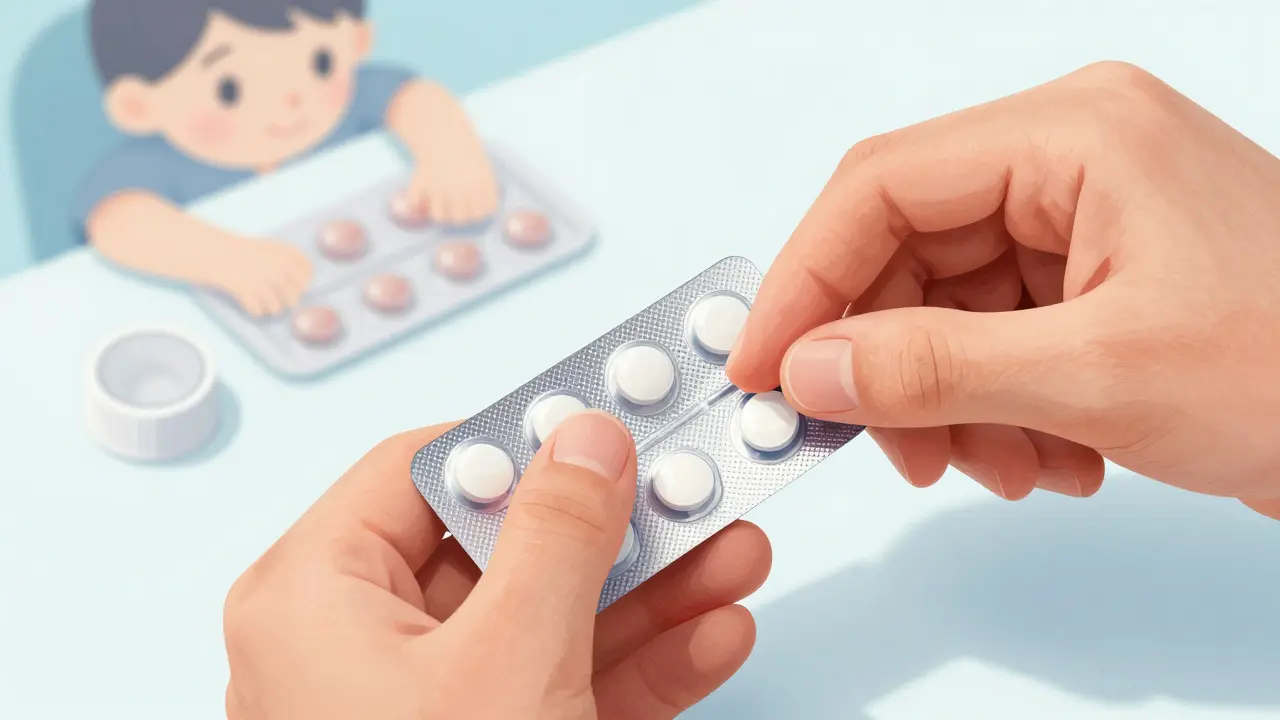
Blister packaging is a specialized medication delivery system where individual doses are sealed in foil compartments within a rigid plastic backing, organized by day and time. Think of it as a weekly calendar for your pills. Each compartment corresponds to a specific day (Monday through Sunday) and time of day (morning, noon, evening, bedtime). To take your medication, you simply press firmly on the back of the foil seal to push the pill out.
Pill packs, also known as bubble packaging or multi-dose pouches, function similarly but with a key structural difference. Instead of a single rigid sheet, pill packs consist of connected pouches that can be separated by day. This makes them significantly more travel-friendly since you can detach just the pouches you need for a weekend trip rather than carrying the entire weekly unit.
Both systems are prepared by pharmacists who review your entire medication regimen, check for potential drug interactions, and sort each dose into the correct compartment. This adds a critical safety layer that traditional pill bottles simply cannot provide.
| Feature | Blister Packs | Pill Packs |
|---|---|---|
| Structure | Rigid plastic sheet with foil seals | Connected flexible pouches |
| Travel Convenience | Must carry entire weekly unit | Can detach individual daily pouches |
| Visual Confirmation | High - empty compartments clearly visible | High - used pouches removed |
| Tamper Evidence | Foil seal shows if opened | Pouch tear indicates use |
| Mid-Week Changes | Difficult - may require full replacement | Moderately difficult - requires pharmacist adjustment |
Why Seniors Benefit From Structured Packaging
The average senior over 65 takes approximately 4-5 prescription medications daily, according to CDC data from 2022. When you add over-the-counter supplements and vitamins, that number often climbs higher. Managing this many medications using traditional bottles creates several problems:
- Forgotten doses: About 50% of seniors struggle with remembering whether they've already taken their medication, leading to double-dosing or skipped doses.
- Small label readability: Traditional pill bottles feature tiny text that becomes increasingly difficult to read as vision declines with age.
- Bottle opening challenges: Child-resistant caps are designed to be hard to open, which poses significant difficulties for the estimated 49% of seniors living with arthritis.
- Drug interaction risks: Without centralized review, seniors may inadvertently combine medications that interact negatively.
Blister packaging addresses all these issues simultaneously. The large, high-contrast labeling on each compartment eliminates reading struggles. The foil seal requires minimal hand strength compared to twisting child-proof caps. Most importantly, the visual layout provides immediate confirmation of whether a dose has been taken - an empty compartment means the medication was consumed, while a full one signals it's still needed.
Research published in PMC (study ID 8782488, January 2022) followed older adults using smart multidose blister packages for eight weeks. Participants, averaging 78.4 years old, reported the system was easy to use and acceptable. Family caregivers experienced a 42% reduction in medication-related stress, according to Home Instead Belfast's 2022 report.
How to Get Started With Pill Packs
Setting up blister packaging or pill packs requires coordination with your pharmacy. Here's the step-by-step process:
- Consult your primary care physician: Ensure your doctor supports switching to packaged medications. Some prescribers prefer maintaining control over dispensing, so early communication prevents delays.
- Contact your preferred pharmacy: Not all pharmacies offer blister packaging services. Urban pharmacies have higher availability (89%) compared to rural locations (62%), according to Senior Resource Connect MI's 2022 survey. Call ahead to confirm service availability.
- Schedule a medication review appointment: Your pharmacist will conduct a comprehensive review of all your current medications, including prescriptions, over-the-counter drugs, and supplements. This verification process reduces potential drug interactions by 37% for seniors on multiple medications.
- Choose your packaging format: Decide between standard blister packs (weekly sheets) or pill packs (detachable pouches). Consider your lifestyle - frequent travelers typically prefer pill packs for their portability.
- Allow preparation time: Pharmacies typically need 3-5 business days to prepare your initial pack. Plan accordingly to avoid gaps in your medication supply.
- Request usage instructions: Ask your pharmacist to demonstrate how to properly press through the foil seals. The technique involves firm, steady pressure on the center of the compartment to push the pill through into your hand.
Most U.S. pharmacies incorporate blister packaging costs into standard dispensing fees without additional charges, according to Senior Resource Connect MI's 2022 analysis. However, some regional pharmacies like Langford Pharmacy in Vancouver Island charge CAD$4.99 per week for the service. Always verify pricing before committing.
Daily Use: Best Practices for Success
Once your blister packs arrive, establishing consistent habits ensures maximum benefit. Here's what successful users do differently:
- Keep packs in a consistent location: Place your medication near something you use daily - your coffee maker, bedside table, or bathroom mirror. Consistency builds habit.
- Take medications at designated times: Follow the morning, noon, evening, and bedtime schedule printed on each compartment. Setting phone reminders or alarms helps reinforce timing during the first few weeks.
- Inspect compartments before taking doses: Verify the medication looks normal - intact tablets, no unusual discoloration. Report any concerns to your pharmacist immediately.
- Plan refills proactively: Contact your pharmacy when you have 5-7 days of medication remaining. Last-minute refill requests risk running out, especially since blister packs require advance preparation time.
- Communicate changes promptly: If your doctor adjusts your dosage or adds new medications mid-week, notify your pharmacist immediately. Mid-week changes may require replacing the entire pack, so early notice minimizes disruption.
Seniors typically adapt to blister packaging within 2-3 days, according to Langford Pharmacy's 2023 data. The learning curve is minimal because the system relies on visual cues rather than memory alone.
Common Challenges and Solutions
No system is perfect, and blister packaging does present some limitations. Understanding these upfront helps you navigate them effectively:
Difficulty pressing through foil: Approximately 28% of users report challenges with limited hand strength when penetrating foil seals. If this applies to you, ask your pharmacist about alternative opening techniques or consider requesting pill packs with easier-to-open pouch designs. Some pharmacies also offer adaptive tools specifically designed for seniors with arthritis.
Mid-week medication changes: If your doctor modifies your regimen halfway through the week, your existing blister pack becomes inaccurate. You'll need to return unused portions to the pharmacy and receive a corrected pack. To minimize this issue, coordinate closely with your healthcare provider to schedule medication adjustments at the start of new weekly cycles whenever possible.
Travel complications: Standard blister packs require carrying the entire weekly unit when traveling. If you frequently take short trips, opt for pill packs instead. Their detachable design allows you to separate only the pouches needed for your journey, reducing bulk and protecting against loss.
Limited rural availability: If you live in a rural area, your local pharmacy may not offer blister packaging services. In this case, explore mail-order pharmacy options or partner with an urban pharmacy willing to ship prepared packs. Medicare Part D plans increasingly cover blister packaging as a medication therapy management benefit, so verify coverage details with your insurer.

When Blister Packaging Makes Sense
Not every senior needs blister packaging, but certain situations make it particularly valuable:
- Managing 5+ daily medications: Complexity increases error risk significantly. Structured packaging reduces confusion.
- Memory challenges: Visual confirmation of taken doses alleviates anxiety about forgetting or double-dosing.
- Visual impairments: Large, high-contrast labels replace small bottle text that's difficult to read.
- Arthritis or limited dexterity: Foil seals often require less grip strength than child-resistant bottle caps.
- Caregiver support needs: Family members can quickly scan the pack to verify compliance without asking repetitive questions.
Conversely, blister packaging may be less suitable if you require frequent medication changes, travel extensively with short notice, or prefer complete control over organizing your own medications. In these cases, traditional pill bottles paired with digital reminder apps might serve you better.
The Future of Senior Medication Management
Technology continues evolving alongside packaging innovations. Smart multidose blister packages with embedded sensors now track usage patterns and alert caregivers when doses are missed. Industry analysts predict 45% of senior medication packaging will incorporate digital monitoring by 2028, according to Grand View Research's 2023 forecast.
These advancements build on the foundation established by basic blister packaging - transforming medication management from a complex, error-prone process into a reliable, visual system. As the U.S. population ages, with seniors projected to reach 23% of the total population by 2060, solutions that improve adherence and reduce hospitalizations become increasingly critical.
The JMCP study (October 2024) estimates that blister-packaging chronic medications has the potential to reduce healthcare costs by improving outcomes through increased adherence. Facilities reporting implementation saw 27% fewer medication-related hospitalizations, demonstrating measurable health benefits beyond convenience.
Do I need a doctor's prescription to get blister packaging?
No, you don't need a separate prescription for blister packaging itself. However, your pharmacist must verify your existing prescriptions before preparing the packs. It's advisable to inform your primary care physician about the switch to ensure they support the change and understand your medication management approach.
How much does blister packaging cost?
Costs vary by region and pharmacy. Many U.S. pharmacies include blister packaging in standard dispensing fees without additional charges. Some regional providers charge approximately $5 per week. Medicare Part D plans increasingly cover the service as part of medication therapy management benefits. Always verify pricing and insurance coverage before committing.
Can I switch back to regular pill bottles after trying blister packs?
Yes, you can return to traditional pill bottles at any time. Simply notify your pharmacy, and they'll resume dispensing medications in standard bottles. There's no long-term commitment required. Many seniors trial blister packaging for a few months to assess suitability before deciding permanently.
What happens if my medication dosage changes mid-week?
If your dosage changes during the week, contact your pharmacist immediately. They'll likely need to collect your unused blister pack and prepare a corrected version. To minimize disruptions, coordinate with your doctor to schedule medication adjustments at the beginning of new weekly cycles whenever possible.
Are blister packs safe for seniors with severe arthritis?
Most seniors with arthritis find blister packs easier to use than child-resistant bottle caps, though 28% of users report some difficulty with foil penetration. If hand strength is severely limited, discuss alternatives with your pharmacist. Some facilities offer adaptive opening tools or recommend pill packs with easier-to-tear pouch designs.
How far in advance should I order refills for blister packs?
Contact your pharmacy when you have 5-7 days of medication remaining. Blister packs require 3-5 business days for preparation, so ordering too late risks running out. Set calendar reminders or enable automatic refill notifications if your pharmacy offers them to maintain consistent supply.
Can I travel with blister packs?
You can travel with standard blister packs, but you must carry the entire weekly unit. For better travel convenience, request pill packs instead. Their detachable pouch design allows you to separate only the daily portions needed for your trip, reducing bulk and simplifying packing.
Do blister packs reduce medication errors?
Yes, blister packaging significantly reduces medication errors. The visual layout provides clear confirmation of taken versus untaken doses, eliminating guesswork. Pharmacist verification during preparation catches potential drug interactions that might otherwise go unnoticed. Studies show facilities implementing blister packaging experience 27% fewer medication-related hospitalizations.