
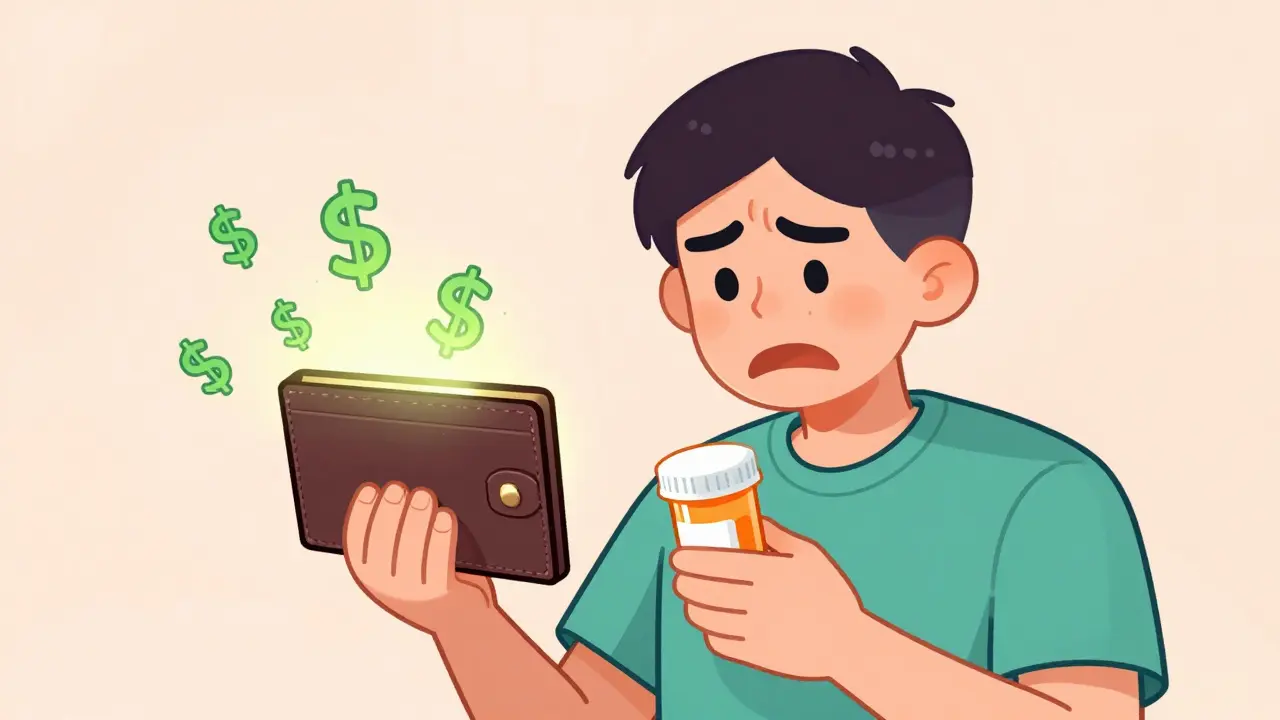
Have you ever stared at a prescription bottle, feeling that familiar pinch in your wallet? You are not alone. The cost of medication has become one of the most stressful parts of managing health for millions of people. But here is the good news: you do not have to pay the highest price just because it is on the label. By using comparison shopping tools specifically designed for healthcare, you can often slash the cost of generic drugs by half or more. It takes a little know-how, but the savings are real and immediate.
Generic drugs are chemically identical to their brand-name counterparts. They contain the same active ingredients, work the same way in your body, and meet the same strict safety standards set by regulatory bodies like the FDA in the US or MedSafe in New Zealand. The only difference is the name and the price. Brand names carry the weight of marketing budgets and research costs from years ago. Generics do not. This is why they are cheaper. However, the price of a generic drug is not fixed. It varies wildly between pharmacies, insurance plans, and even the time of day you buy it.
Why Prices Vary So Much
You might wonder why one pharmacy charges $10 for a script while another down the street asks for $45. It comes down to three main factors: pharmacy benefit managers (PBMs), wholesale acquisition costs, and local competition. PBMs are the middlemen between insurance companies and pharmacies. They negotiate rebates and set copays. Sometimes, a higher copay actually benefits the pharmacy more than a lower one, leading to strange pricing structures where the cheapest option on paper isn't the cheapest for you.
Wholesale costs also fluctuate. If a manufacturer has an excess supply of a generic drug, prices drop. If there is a shortage, prices spike. Local competition plays a role too. A standalone community pharmacy might charge more than a big chain because they have higher overheads, but they might offer better service or loyalty discounts. Understanding these dynamics helps you ask the right questions when you shop around.
The Power of Comparison Engines
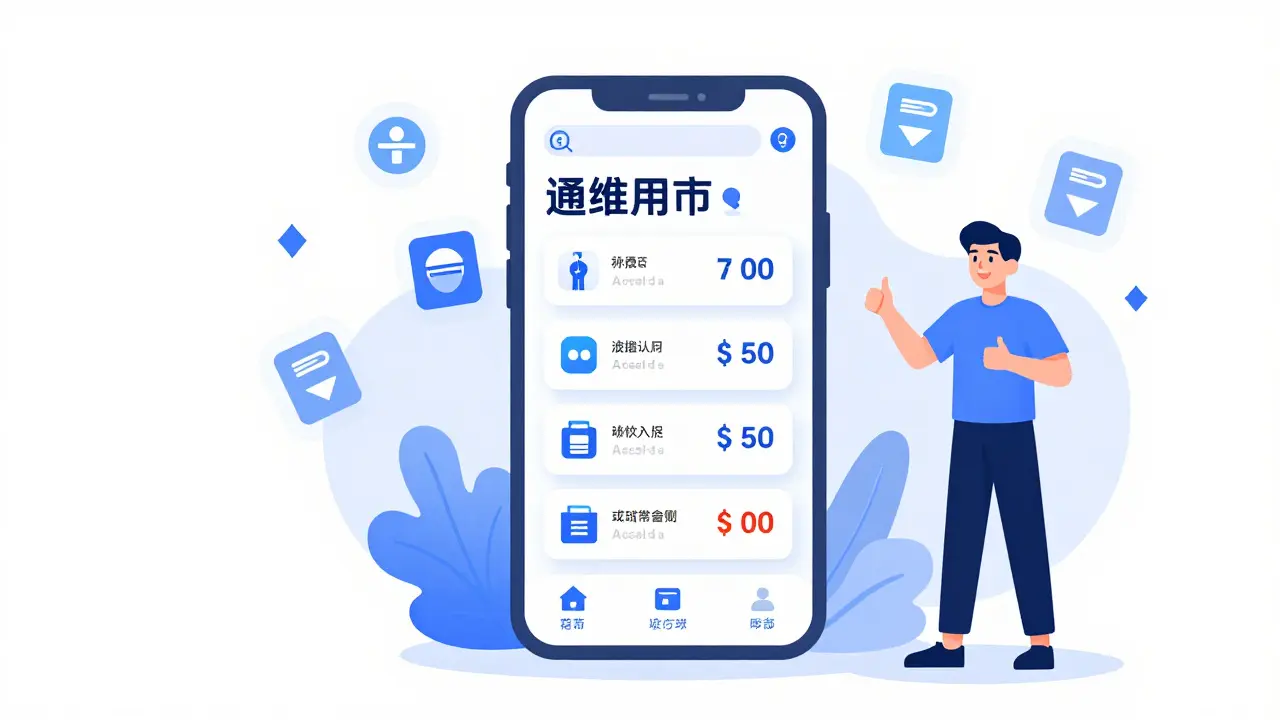
Just as you would use Google Flights to find the cheapest airfare, you should use digital tools to find the best drug prices. These platforms aggregate data from multiple pharmacies, showing you exactly what each location charges for your specific medication. Some popular options include GoodRx, SingleCare, and Mark Cuban Cost Plus Drugs. These sites allow you to enter your prescription details-drug name, dosage, quantity-and instantly see a list of nearby pharmacies with their cash prices and insurance-adjusted prices.
For example, if you need Lisinopril 10mg, a quick search might show that Pharmacy A charges $15 with insurance, while Pharmacy B charges $3 without insurance using a discount card. In this case, paying out-of-pocket with a coupon is significantly cheaper. These engines update their data frequently, often in real-time, so you get accurate information before you leave home. They also provide printable coupons or digital codes that you present at the counter to lock in the discounted rate.
Online Pharmacies vs. Brick-and-Mortar
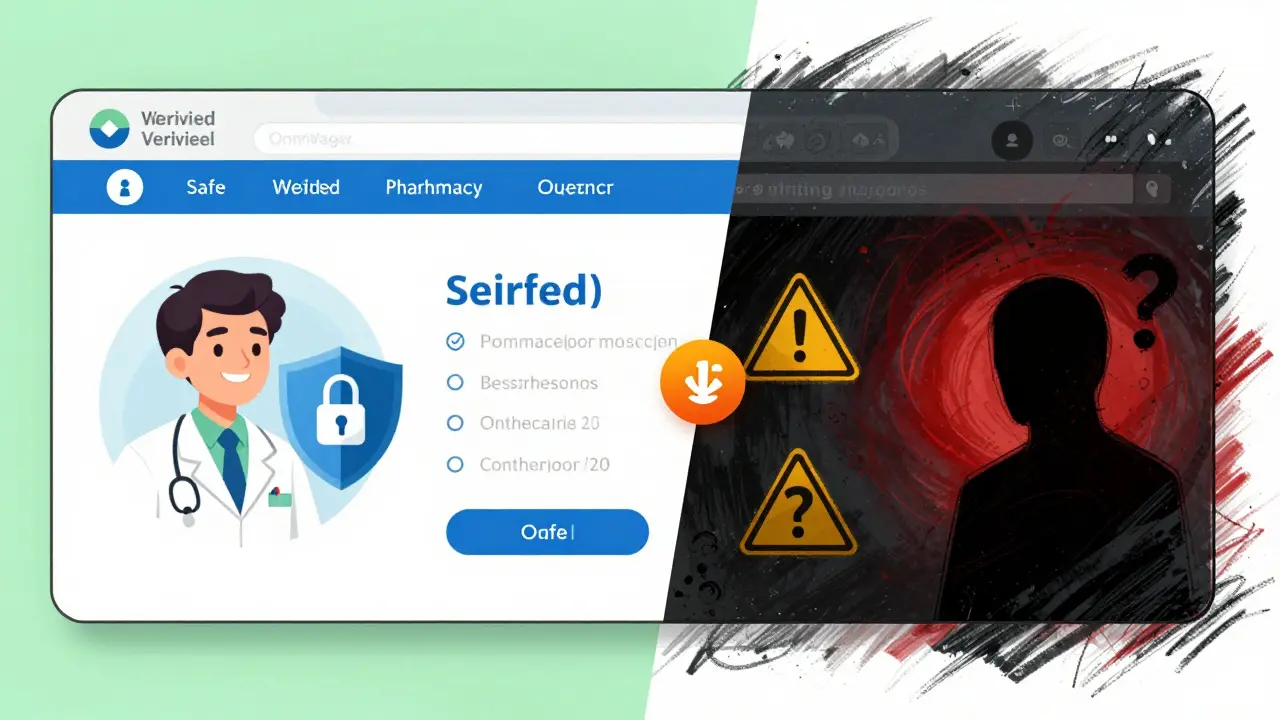
Buying medication online offers convenience and potentially lower prices, but it requires extra caution. Legitimate online pharmacies operate under strict regulations. They require a valid prescription from a licensed healthcare provider. They have a physical address listed on their website and a licensed pharmacist available to answer questions. They do not send unsolicited emails offering miracle cures or heavily discounted medications without a prescription.
In New Zealand, you can verify if an online pharmacy is legitimate by checking if it is registered with the Pharmaceutical Society of New Zealand. In the US, look for the VIPPS seal (Verified Internet Pharmacy Practice Sites) from the National Association of Boards of Pharmacy. Avoid sites that claim to be based in the US but ship from overseas without proper documentation. These sites may sell counterfeit or substandard drugs, which can be dangerous. Stick to well-known retailers like CVS, Walgreens, or specialized mail-order services recommended by your doctor.
| Method | Pros | Cons | Best For |
|---|---|---|---|
| Local Chain Pharmacy | Convenient, immediate pickup, trusted brands | Higher prices, limited negotiation power | Urgent needs, established relationships |
| Independent Community Pharmacy | Personalized service, potential loyalty discounts | May not accept all insurances, higher base prices | Complex regimens, need for pharmacist advice |
| Price Comparison Apps | Lowest cash prices, transparent data | Requires printing/saving coupons, varies by location | Cost-conscious shoppers, non-urgent refills |
| Legitimate Online Pharmacies | Home delivery, bulk discounts, privacy | Shipping wait times, risk of scams if unverified | Maintenance medications, rural areas |
Tips for Maximizing Savings
Shopping smart goes beyond just picking the lowest number on a screen. Here are practical steps to keep more money in your pocket:
- Ask for generics explicitly. Your doctor might write a brand name out of habit. Always say, "Is there a generic version available?" Most insurers will cover generics at a much lower copay.
- Use discount cards wisely. Programs like GoodRx or SingleCare can reduce cash prices by up to 80%. Keep the app on your phone so you can check prices on the go.
- Compare total costs. Look at the price per pill, not just the total bottle cost. Sometimes buying a larger quantity reduces the unit price significantly.
- Check insurance formularies. Your plan likely has tiers. Tier 1 generics are cheapest. If your drug is on a higher tier, ask your doctor about therapeutic alternatives that are equally effective but cheaper.
- Bundle prescriptions. If you take multiple daily meds, fill them at the same pharmacy. Many places offer free delivery or discounts for bundling.
Another strategy is to talk to your doctor about switching manufacturers. Different companies produce different generics of the same drug. While they must meet bioequivalence standards, some patients report slight differences in side effects or effectiveness. More importantly, one manufacturer might be on sale while another is not. Switching brands can sometimes save you money without changing your health outcomes.
Avoiding Scams and Pitfalls
The internet is full of bad actors looking to exploit sick people. Be wary of websites that promise "no prescription needed" for controlled substances. These are illegal and unsafe. Also, avoid sites with prices that seem too good to be true. If a common antibiotic is listed for $1, it is likely a scam or counterfeit product. Counterfeit drugs may contain incorrect dosages, wrong ingredients, or harmful contaminants like lead or arsenic.
Always check for secure connections. Look for "https://" in the URL and a padlock icon. Never share your credit card information via email. Legitimate pharmacies will have clear return policies and contact information. If you cannot find a phone number or physical address, walk away. Protecting your health is worth more than saving a few dollars on a risky purchase.
Conclusion
Finding the best generic prices does not have to be a guessing game. By understanding how prices are set, using reliable comparison tools, and verifying the legitimacy of online sellers, you can take control of your healthcare costs. Start by downloading a price comparison app today. Check the price of your next refill before you go to the store. You might be surprised by how much you can save simply by asking the right questions and doing a little homework. Your health matters, and so does your financial well-being.
Are generic drugs as effective as brand-name drugs?
Yes, generic drugs are required by law to be bioequivalent to their brand-name counterparts. This means they contain the same active ingredients, work the same way in the body, and have the same strength and dosage form. Regulatory agencies like the FDA ensure that generics meet strict quality and safety standards before they reach the market.
How do I know if an online pharmacy is legitimate?
A legitimate online pharmacy requires a valid prescription from a licensed healthcare provider. It displays a physical address and phone number on its website. It has a licensed pharmacist available to consult with you. In the US, look for the VIPPS seal. In New Zealand, check registration with the Pharmaceutical Society. Avoid sites that offer medications without prescriptions or have unrealistically low prices.
Can I use a discount card with my insurance?
Generally, no. Insurance companies and discount cards are separate systems. Using a discount card usually means you are paying the cash price, which does not count toward your insurance deductible or out-of-pocket maximum. However, if the cash price with the card is lower than your insurance copay, it might still be the better financial choice for that specific transaction. Always compare both options.
Why do prices vary so much between pharmacies?
Prices vary due to negotiations with Pharmacy Benefit Managers (PBMs), wholesale acquisition costs, and local competition. PBMs set reimbursement rates for pharmacies, which can influence the final price to the consumer. Additionally, pharmacies may adjust prices based on demand, inventory levels, and promotional strategies. Comparison shopping helps you navigate these variations to find the lowest price.
Is it safe to switch between different generic manufacturers?
Yes, it is generally safe. All generic versions of a drug must meet bioequivalence standards, meaning they perform similarly in the body. However, inactive ingredients like fillers or dyes may differ. Some sensitive individuals might notice slight differences in side effects. If you experience issues after switching, talk to your doctor or pharmacist. They can help determine if the change is related to the manufacturer.