
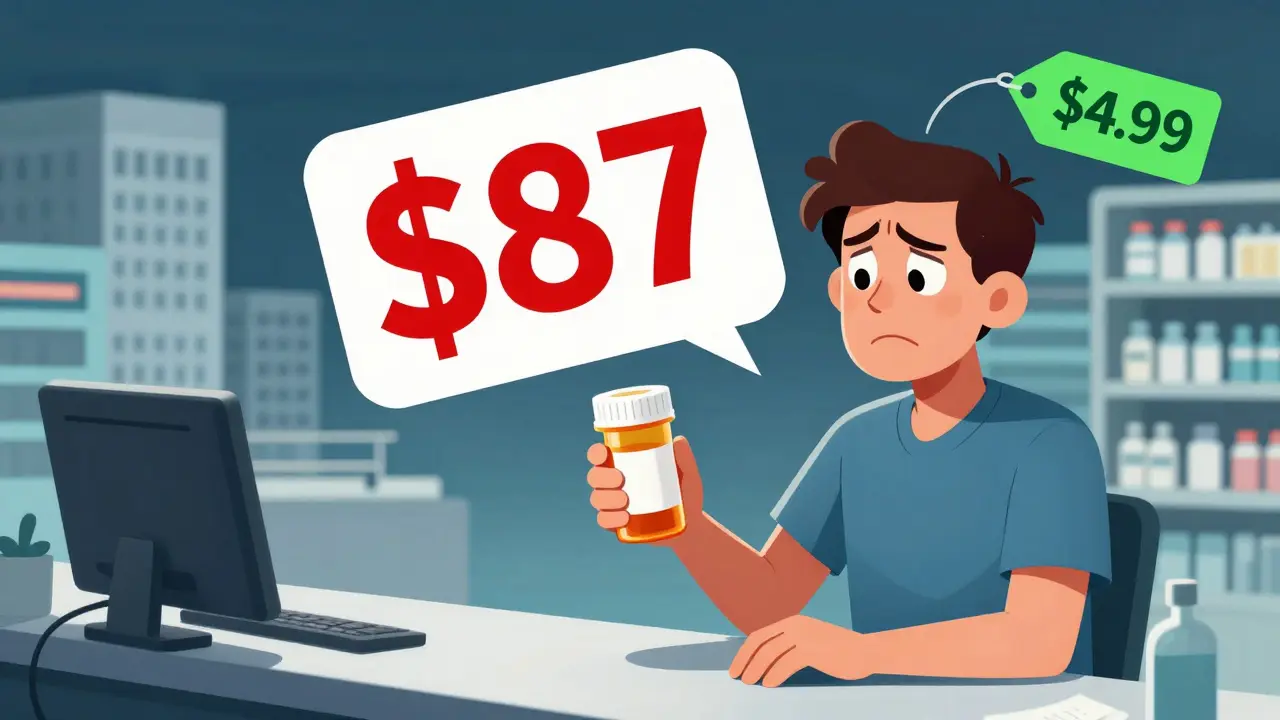
Imagine paying $87 for a simple generic prescription through your insurance, only to find out you could have bought it for $4.99 cash at a nearby pharmacy. It sounds like a scam, but it is the reality for millions of Americans navigating the opaque world of pharmaceutical procurement. This isn't just about individual bad luck; it is a systemic issue rooted in how insurers and Pharmacy Benefit Managers (PBMs) handle Bulk Buying and strategic procurement practices designed to lower costs through volume commitments and competitive bidding. The core problem lies in the disconnect between actual drug costs and what insurers pay. While generics represent more than 90% of all prescriptions dispensed in the U.S., they account for only a fraction of total drug spending. Yet, patients often face high copays because the underlying reimbursement models are flawed. Understanding how bulk buying and tendering work-and where they fail-is crucial for anyone looking to control healthcare costs.
The Mechanics of Generic Procurement
To understand why prices are so volatile, we need to look at the machinery behind the scenes. The modern generic drug market was shaped by the Hatch-Waxman Act of 1984, which established the pathway for generic approvals and patent term restoration. This act intended to boost competition and lower prices. In theory, when multiple manufacturers produce the same generic drug, prices should plummet due to competition. And they do-often dropping 80-90% from initial launch prices.
However, the path from manufacturer to patient involves several intermediaries, primarily PBMs like Express Scripts, Caremark, and OptumRx. These entities manage formularies-the lists of covered drugs-for insurers and employers. Their primary tool for cost containment is Formulary Management, which uses tiered pricing structures to steer patients toward lower-cost options. Typically, generics sit on the lowest tiers with copays ranging from $0 to $10. But here is the catch: not all generics are created equal in the eyes of the PBM.
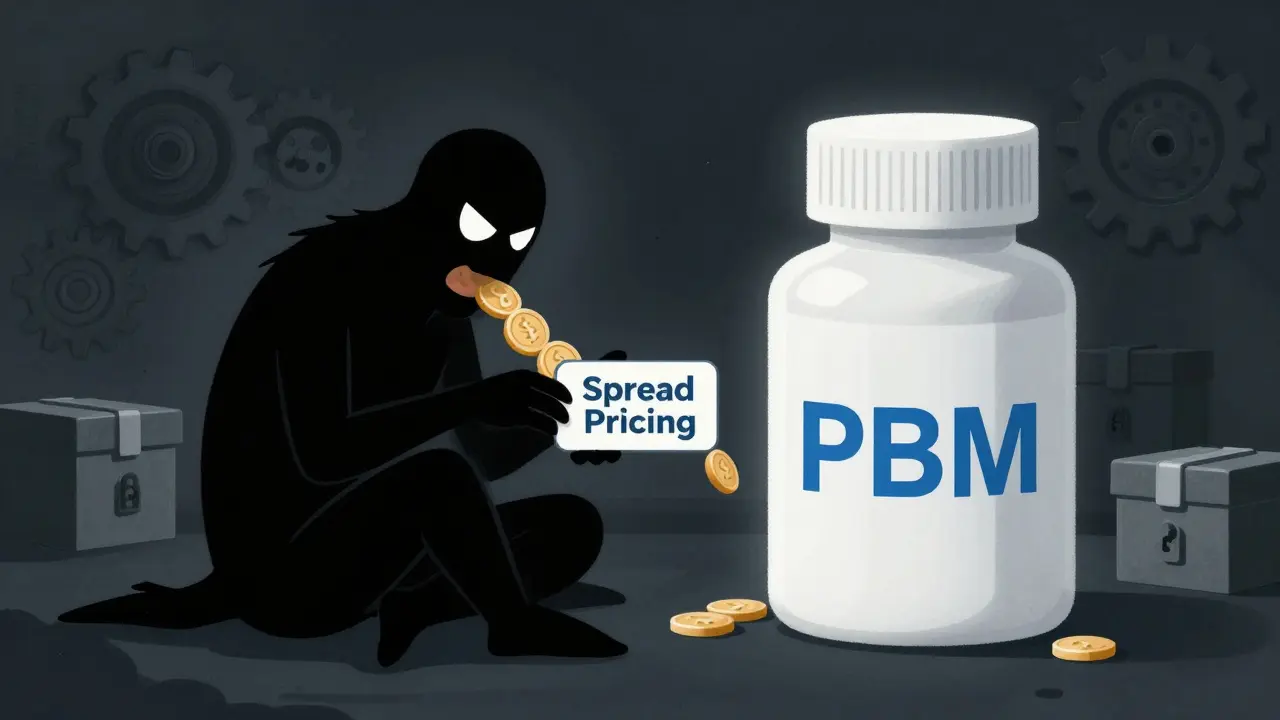
PBMs use Maximum Allowable Cost (MAC) Lists, which define the upper reimbursement limit for generic drugs. Ideally, these lists ensure insurers don't overpay. In practice, MAC lists are often secret. A study published in JAMA Network Open by Qato et al. (2022) revealed that while MACs exist, they are rarely disclosed to plan sponsors. This lack of transparency allows PBMs to engage in "spread pricing," where they charge the insurer more than they reimburse the pharmacy. The difference goes into the PBM's pocket as profit. Consequently, PBMs may incentivize pharmacies to stock higher-priced generics that offer better rebates, even if cheaper alternatives exist.
Tendering vs. Traditional Purchasing
Tendering is a formal process where insurers or large health systems request bids from multiple manufacturers for specific therapeutic classes. Unlike traditional purchasing, which relies on ongoing contracts and rebates, tendering is competitive and time-bound, usually spanning 1-3 years. It requires minimum volume commitments from the buyer. The goal is straightforward: leverage massive purchasing power to drive down unit costs. When done correctly, tendering can yield significant savings. For example, the Veterans Health Administration uses aggressive negotiation tactics to secure prices approximately 24% lower than those seen in Medicare Part D plans. However, traditional PBM models often resist true tendering because it threatens their rebate-driven revenue streams.
| Feature | Traditional PBM Model | Transparent Bulk/Tendering |
|---|---|---|
| Pricing Transparency | Low (Spread Pricing Common) | High (Direct Negotiation) |
| Incentive Structure | Rebate-Driven (Higher Price = Higher Rebate) | Cost-Driven (Lower Net Price) |
| Average Savings | Variable, often hidden | 75-91% compared to retail |
| Risk | Patient Overpayment | Supply Shortages if Prices Too Low |
The contrast is stark. Traditional models prioritize rebates over net cost. If Drug A costs $10 but offers a $5 rebate, and Drug B costs $6 with no rebate, a PBM might prefer Drug A because the net cost to them is lower ($5 vs $6), even though the patient pays more upfront. Transparent bulk buying eliminates this middleman markup, focusing solely on the lowest acquisition cost.
The Hidden Costs: Shortages and Market Distortion
There is a dark side to aggressive cost-cutting. When tendering drives prices below production costs, manufacturers exit the market. We saw this happen with albuterol sulfate inhalation solution in 2020. Prices dropped so low that supply chains broke, leading to shortages at 87% of surveyed hospitals. This creates a paradox: the very strategies meant to save money can lead to higher costs and unavailability when supplies run dry.
Furthermore, manufacturing consolidation poses a long-term risk. According to the FDA’s Drug Competition Action Plan (2022), only three manufacturers produce 80% of generic drugs in certain therapeutic classes. With fewer players, the leverage gained through tendering diminishes. If one manufacturer raises prices or stops production, there are few alternatives. This concentration of power undermines the competitive dynamics that bulk buying relies on.
Real-World Impact on Patients
How does this affect you? Consider the experience of u/PharmaPatient on Reddit, who paid $87 out-of-pocket for a generic via insurance versus $4.99 cash at Mark Cuban’s Cost Plus Drug Company. Or the GoodRx user saving an average of $32 per month by bypassing insurance entirely. These aren’t isolated incidents. The Schaeffer Center (2022) noted that 97% of cash payments for prescriptions are for generic drugs, signaling that consumers know when insurance isn’t providing value.
Medicare beneficiaries are particularly vulnerable. A KFF survey found that 68% had considered not filling a prescription due to cost, and 41% skipped doses. This happens because Medicare Part D plans often place generics on higher tiers with elevated copays despite their lower wholesale costs. The system is designed to capture rebates, not minimize patient out-of-pocket expenses.

Strategies for Better Savings
So, what can be done? For insurers and employers, the answer lies in demanding transparency. Implementing "transparency clauses" in PBM contracts, similar to California’s Senate Bill 17 (2017), forces disclosure of price differentials exceeding 5%. This exposes spread pricing and aligns incentives with actual cost reduction. For individuals, the strategy is simpler: shop around. Use tools like GoodRx or compare prices at direct-to-consumer pharmacies. The NIH study by Kesselheim et al. (2023) showed that direct-to-consumer pharmacies offered median cost savings of 76% for expensive generics. Don’t assume insurance is always the cheapest option. Check the cash price before you fill your script.
Employers should also consider alternative PBM models. Companies like Navitus Health Solutions report 22% lower generic drug costs by using transparent, fee-based structures instead of rebate-driven ones. By shifting focus from gross-to-net pricing to net acquisition cost, organizations can unlock billions in savings while improving access for their members.
The Future of Generic Procurement
Regulatory winds are shifting. The Inflation Reduction Act of 2022 introduced changes to Medicare Part D, though critics argue it retained perverse incentives for PBMs. Meanwhile, CMS issued guidance in January 2024 requiring greater transparency in PBM pricing. The FDA’s GDUFA III aims to streamline approvals, potentially accelerating the entry of new generics and increasing competition. Market innovations are also emerging. Direct-to-consumer models are expanding rapidly, with Cost Plus Drug Company growing from one location to 35 across 12 states by late 2023. These models prove that transparency works. As more stakeholders demand accountability, the era of opaque spread pricing may finally come to an end. The Congressional Budget Office estimates that improved tendering practices could generate an additional $127 billion in savings over the next decade. The potential is enormous, but it requires sustained pressure from both policymakers and consumers.
What is the difference between bulk buying and tendering?
Bulk buying refers to purchasing large volumes of goods to secure discounts. Tendering is a formal, competitive bidding process where suppliers submit proposals for a contract. In pharmaceuticals, tendering is often used within bulk buying strategies to negotiate the best possible price among multiple generic manufacturers.
Why are some generic drugs more expensive than others?
Generic prices vary based on the number of manufacturers producing the drug. If only one or two companies make a generic, they can charge more. Additionally, PBM rebate structures can incentivize pharmacies to stock higher-priced generics that offer larger rebates to the insurer, rather than the lowest-cost option.
How does spread pricing affect my medication costs?
Spread pricing occurs when a PBM charges your insurer more for a drug than it reimburses the pharmacy. This difference is kept as profit by the PBM. It can lead to higher overall costs for the insurance plan, which may result in higher premiums or copays for patients, even if the drug itself is cheap.
Can I save money by paying cash for generics instead of using insurance?
Yes, often. Many direct-to-consumer pharmacies and discount programs like GoodRx offer prices lower than insurance copays, especially for generics. Studies show that cash payments can save up to 76% on expensive generics. Always compare the cash price with your insurance copay before filling a prescription.
What role do PBMs play in generic drug pricing?
PBMs negotiate prices with pharmacies and manufacturers, manage formularies, and process claims. They aim to lower costs through volume discounts and rebates. However, their business model often prioritizes rebates over net cost, which can lead to higher prices for patients and inefficient market outcomes.

honestly the whole pbsm thing is a joke we need to just cut them out completely
you think its that simple? no it is not. you are ignoring the supply chain logistics and the legal frameworks that keep these companies in check. without pbms who do you think negotiates with the big pharma giants? nobody else has the leverage. so your idea is naive and will just raise prices for everyone because the middleman actually does some work even if they are greedy about it. stop pretending you know better than the system.
the article misses the point entirely by focusing on procurement models rather than the underlying monopolistic structures of generic manufacturing which have been consolidated into fewer players over the last decade thereby reducing competition regardless of tendering strategies employed by insurers or government bodies alike
i totally agree with johnnie here its crazy how few companies make most generics now. i mean like three companies control eighty percent of the market for some drugs thats insane right? we need more competition not just different buying methods because if only one guy makes it he can charge whatever he wants and tendering wont help much then
It is truly disheartening to observe the sheer lack of sophistication in this discourse 🙄 The average reader fails to grasp the nuanced interplay between rebate-driven incentives and net cost metrics, leading to superficial conclusions about pharmaceutical economics 😒 One must cultivate a deeper understanding of formulary management to appreciate why certain pricing structures persist despite their apparent inefficiencies 💅 Transparency is merely a band-aid on a systemic wound that requires surgical regulatory intervention 🩹📉
come on elizabeth dont be such a snob about it. people just want to save money on their meds. its not rocket science. if insurance costs more than cash why should we use it? we should all just start checking goodrx before we fill prescriptions. its empowering to take control of our own health costs instead of letting the big corps dictate our lives. lets spread the word about direct-to-consumer pharmacies!
I have been working in healthcare administration for over fifteen years and I can tell you from personal experience that the transition to transparent fee-based PBM models is incredibly difficult but absolutely necessary for long-term sustainability 🏥💼 When employers switch to models like Navitus Health Solutions they often see immediate reductions in generic drug spend because the incentive structure shifts from gross-to-net pricing to actual acquisition costs which aligns the interests of the payer with the patient rather than allowing the PBM to profit from spread pricing which is essentially a hidden tax on healthcare coverage 📊✨ It is important to note that while tendering can drive down unit costs significantly it also carries the risk of supply shortages if the negotiated price falls below the manufacturer's production cost which we saw happen with albuterol in recent years so a balanced approach that includes safety stock requirements and multi-source contracts is essential for maintaining reliable access to essential medications 🚑💊
gary makes a great point about the balance needed here. we have to remember that every stakeholder in this ecosystem has a role to play and demonizing pbms entirely ignores the complexity of global supply chains. however i do believe that as individuals we can advocate for transparency clauses in our employer benefits packages. imagine a world where every insurer had to disclose spread pricing differences exceeding five percent. that would force accountability and perhaps encourage more ethical business practices across the board. let us support policies like california senate bill seventeen that promote this kind of openness.
This entire discussion is irrelevant in countries with single-payer systems where the government acts as the sole bulk buyer and negotiates prices directly with manufacturers resulting in significantly lower costs for patients compared to the fragmented US market. The US obsession with profit maximization through intermediaries like PBMs is an anomaly that drives up costs unnecessarily while compromising access to essential medications for vulnerable populations who cannot afford high copays or cash prices.
I hear what you are saying Ramanath and it is true that other systems handle this differently. However, changing the entire US healthcare infrastructure is a monumental task that requires bipartisan cooperation and significant political will. In the meantime, small steps like using discount cards and demanding transparency from our current providers can make a real difference in people's daily lives. We should focus on solutions that are achievable within the current framework while continuing to push for broader reforms. Every dollar saved is a step forward for families struggling with medical bills.