
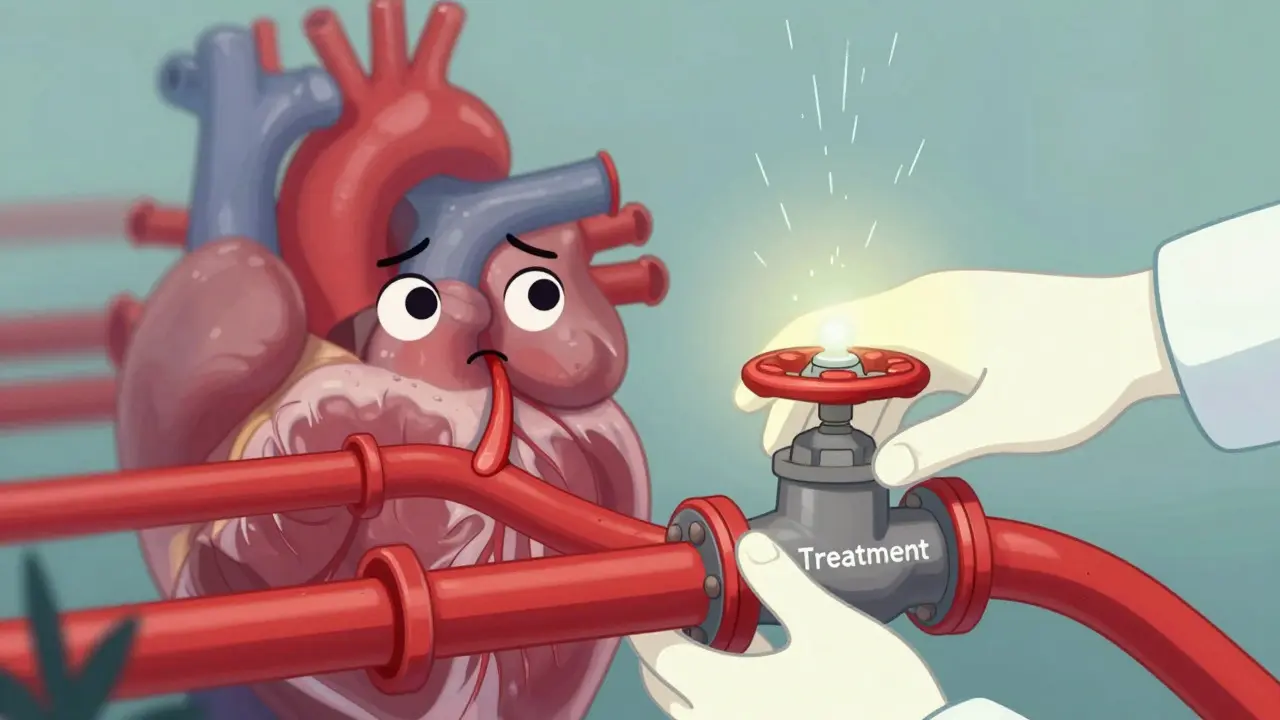
Your blood pressure is the force of your blood pushing against the walls of your arteries. When that number stays too high for too long, it’s like running a garden hose on full blast-the pipes take a beating. This condition, known as hypertension or high blood pressure, affects nearly half of all American adults. The good news? You don’t have to just live with it. There are several powerful classes of blood pressure medications designed to lower that pressure and protect your heart, kidneys, and brain.
If you’ve ever walked out of a pharmacy with a new prescription, you might have felt overwhelmed by the chemical names and side effect lists. Why did your doctor pick *this* pill over *that* one? Is the dry cough normal? Will this make me tired? Understanding how these drugs work isn't just about compliance; it's about partnering with your healthcare provider to find the regimen that fits your life without ruining your quality of time.
How Blood Pressure Medications Work
To understand the medicine, you first need to understand the problem. Your body has a complex system called the renin-angiotensin-aldosterone system (RAAS) that regulates blood pressure. Think of it as a thermostat. When blood pressure drops, hormones kick in to tighten blood vessels and retain salt and water to bring the pressure back up. Antihypertensive medications interfere with this process at different stages.
Some drugs relax the muscles around your arteries so they can widen (vasodilation). Others help your kidneys remove excess fluid from your body, reducing the volume of blood pumping through your system. Still others slow down your heart rate, giving your heart less work to do. By targeting these specific mechanisms, doctors can lower your systolic (the top number) and diastolic (the bottom number) readings to safer levels, significantly reducing the risk of stroke, heart attack, and kidney failure.
The Big Six: Classes of Blood Pressure Drugs
Not all blood pressure pills are created equal. They fall into six main categories, each with its own mechanism, benefits, and drawbacks. Here is a breakdown of the most common types you will encounter.
| Medication Class | Common Suffix | How It Works | Key Side Effects |
|---|---|---|---|
| ACE Inhibitors | -pril | Blocks enzyme that narrows blood vessels | Dry cough, dizziness, high potassium |
| ARBs | -sartan | Blocks angiotensin II receptors directly | Dizziness, high potassium (less cough than ACE) |
| Beta Blockers | -olol | Slows heart rate and reduces output | Fatigue, cold hands/feet, sexual dysfunction |
| Calcium Channel Blockers | -dipine / -zem | Relaxes artery muscles | Ankle swelling, headache, flushing |
| Diuretics | -thiazide / -semide | Removes excess sodium and water | Frequent urination, electrolyte imbalance |
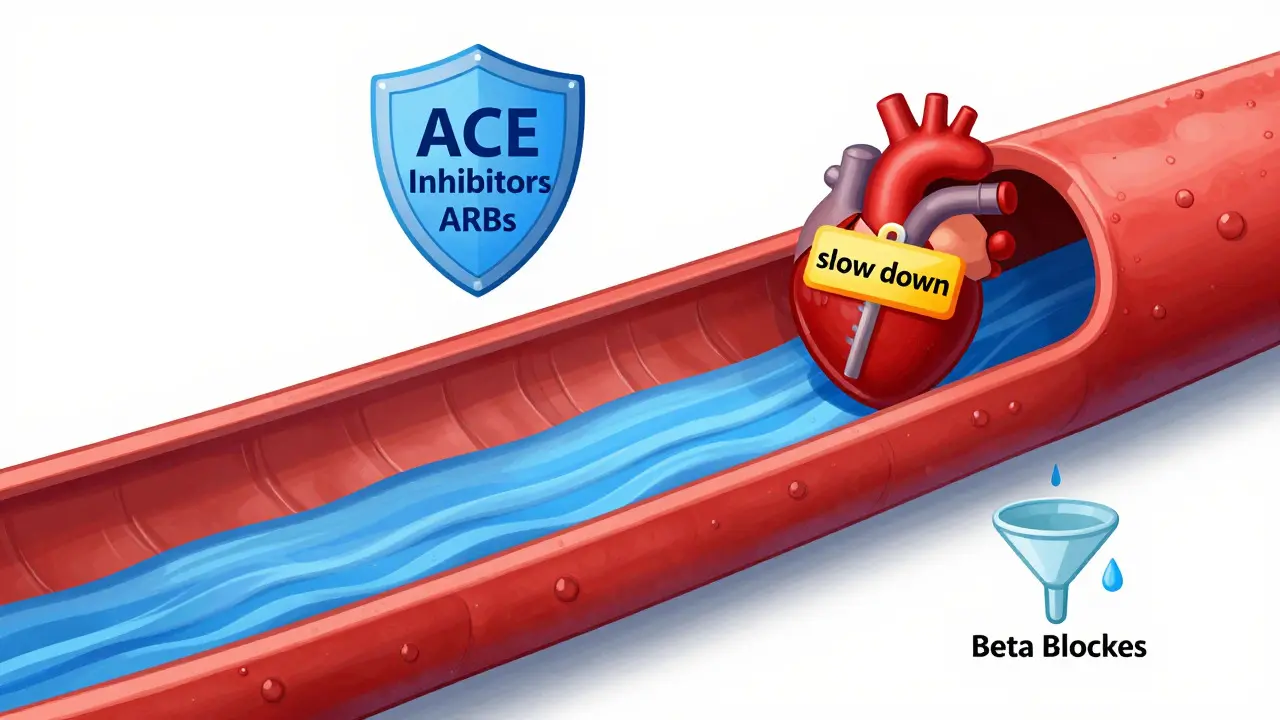
ACE Inhibitors and ARBs: The Vessel Relaxers
ACE inhibitors (Angiotensin-Converting Enzyme inhibitors) are among the most prescribed drugs globally. You can spot them because their names end in "-pril," such as lisinopril or enalapril. They work by stopping the production of angiotensin II, a substance that tightens blood vessels. Without it, your vessels stay relaxed and open.
However, about 15-20% of people taking ACE inhibitors develop a persistent, dry cough. It’s annoying enough that many patients stop taking the medication. If this happens to you, don’t suffer in silence. Doctors often switch patients to ARBs (Angiotensin II Receptor Blockers). ARBs, which end in "-sartan" (like losartan or valsartan), block the action of angiotensin II rather than its production. They offer similar blood pressure-lowering benefits and kidney protection but rarely cause that dreaded cough.
Beta Blockers: Slowing the Engine
Beta blockers (ending in "-olol," like metoprolol or atenolol) used to be the go-to first-line treatment for everyone. Today, they are typically reserved for patients who also have heart failure, a history of heart attacks, or irregular heart rhythms. They work by blocking adrenaline, which slows your heart rate and reduces the force of contraction.
Because they slow your heart down, you might feel more tired or notice your hands and feet get colder. For athletes or very active people, this can feel like wearing a weighted vest. If you have asthma, talk to your doctor carefully, as some beta blockers can constrict airways. However, for someone with a racing heart due to anxiety or post-heart attack recovery, they can be incredibly stabilizing.
Calcium Channel Blockers: The Heavy Lifters
Calcium channel blockers (CCBs) prevent calcium from entering the muscle cells of your heart and arteries. Calcium makes muscles contract; without it, the muscles relax. This widens the arteries and improves blood flow. Amlodipine is one of the most commonly prescribed CCBs.
A common complaint with CCBs, particularly the dihydropyridine type like amlodipine, is swelling in the ankles or feet (edema). This happens because the small veins dilate, allowing fluid to leak into surrounding tissues. It’s not dangerous, but it can be uncomfortable. Interestingly, CCBs tend to work well across all demographics, including older adults and Black patients, where other classes might be less effective as monotherapy.
Diuretics: Flushing Out the Fluid
Diuretics, often called "water pills," help your kidneys flush out sodium and water from your body. Less fluid in your bloodstream means less pressure on your artery walls. Thiazide diuretics, such as hydrochlorothiazide (HCTZ) and chlorthalidone, are frequently recommended as first-line treatments.
You’ll likely visit the bathroom more often, especially when you first start the medication. Chlorthalidone is gaining favor among cardiologists because it lasts longer in the body (24-hour coverage) compared to HCTZ, which may wear off before your next dose. However, since diuretics affect electrolytes, you need regular blood tests to monitor your potassium and sodium levels. Low potassium can cause muscle cramps and weakness.
Choosing the Right Medication for You
There is no single "best" blood pressure medication. The right choice depends on your age, race, existing health conditions, and even your genetic makeup. Clinical guidelines, such as those from the American College of Cardiology and the American Heart Association, provide a roadmap, but your personal biology writes the final script.
For example, if you have chronic kidney disease, an ACE inhibitor or ARB is usually the top choice because they protect the kidneys from further damage. If you’ve had a heart attack, a beta blocker is essential to prevent future events. For older adults with isolated systolic hypertension (high top number only), calcium channel blockers or thiazide diuretics are often preferred.
Race also plays a role in drug efficacy. Studies, including the landmark ALLHAT trial, have shown that Black patients often respond better to calcium channel blockers or diuretics as initial therapy compared to ACE inhibitors or beta blockers alone. This isn't about biology being fixed; it's about how certain populations metabolize drugs and how their vascular systems respond to stress. Always discuss your background with your provider to tailor the treatment.
Combination Therapy: Two Are Better Than One
If one pill doesn’t get your numbers down, don’t panic. It’s extremely common to need two or even three medications. In fact, nearly half of hypertensive patients in the US are on combination therapy. Using low doses of two different classes of drugs is often more effective and causes fewer side effects than doubling the dose of a single drug.
Pharmacies now offer single-pill combinations, which combine two medications into one capsule. For instance, Exforge combines amlodipine (a CCB) and valsartan (an ARB). Taking one pill instead of two drastically improves adherence. People are simply more likely to remember their meds if there’s only one bottle to worry about. Ask your doctor if a combination pill is right for you.

Managing Side Effects and Lifestyle
Medication is a tool, not a cure-all. To get the most out of your prescriptions, you need to pair them with lifestyle changes. Reducing sodium intake, exercising regularly, and managing stress can sometimes allow you to lower your dosage or avoid adding a second drug.
Be mindful of interactions. Grapefruit juice, for example, can interfere with calcium channel blockers like felodipine and amlodipine, increasing the drug’s concentration in your blood and raising the risk of side effects. Alcohol can also counteract the effects of many antihypertensives. And never stop taking your medication abruptly-especially beta blockers-as this can cause a dangerous rebound spike in blood pressure.
Monitoring is key. Check your blood pressure at home using a validated upper-arm cuff. Keep a log of your readings to show your doctor. If you experience severe side effects like fainting, extreme fatigue, or a rash, contact your healthcare provider immediately. Switching medications is a routine part of finding the right balance.
Future Directions in Hypertension Treatment
The field of hypertension treatment is evolving. Researchers are looking into personalized medicine, using genetic markers to predict which drug will work best for you before you even take the first pill. Newer agents, like angiotensin receptor-neprilysin inhibitors (ARNIs), are showing promise for patients with both high blood pressure and heart failure.
Additionally, non-drug interventions like renal denervation-a procedure that uses catheters to disrupt nerve signals in the kidneys that raise blood pressure-are becoming options for resistant hypertension. While medication remains the cornerstone of treatment, these advances offer hope for those who struggle to control their numbers despite multiple drugs.
What is the difference between an ACE inhibitor and an ARB?
Both ACE inhibitors and ARBs target the same hormonal system (RAAS) to relax blood vessels. ACE inhibitors block the enzyme that creates angiotensin II, while ARBs block the receptor that angiotensin II binds to. The main practical difference is side effects: ACE inhibitors often cause a dry cough, whereas ARBs rarely do. If you can't tolerate an ACE inhibitor, your doctor will likely switch you to an ARB.
Can I stop taking blood pressure medication once my numbers are normal?
Generally, no. Normal readings mean the medication is working, not that you are cured. High blood pressure is usually a chronic condition. Stopping suddenly can cause your blood pressure to spike dangerously. Only stop or change your dosage under the direct supervision of your doctor.
Why does my doctor prescribe two different blood pressure pills?
Combination therapy is highly effective because different drugs work on different mechanisms. For example, a diuretic removes fluid, while a calcium channel blocker relaxes arteries. Using low doses of two drugs often lowers blood pressure more effectively than a high dose of one drug, with fewer side effects. Single-pill combinations are available to make this easier.
Do beta blockers cause weight gain?
Some studies suggest that beta blockers can lead to modest weight gain, possibly due to reduced metabolic rate or fatigue leading to less physical activity. If weight management is a concern, discuss alternative medications like ACE inhibitors or calcium channel blockers with your doctor, which are less associated with weight changes.
How quickly do blood pressure medications start working?
It varies by medication. Some drugs, like captoprin (an ACE inhibitor), work within an hour. Others, like amlodipine (a calcium channel blocker), may take 1-2 weeks to reach their full effect. Diuretics can reduce fluid retention quickly, but stable blood pressure control often takes 4-12 weeks of consistent use and titration.
Are generic blood pressure medications as good as brand name ones?
Yes. Generic medications must meet the same strict FDA standards for safety, strength, purity, and stability as brand-name drugs. They contain the same active ingredient and work the same way. Choosing generics can save you significant money without compromising health outcomes.