
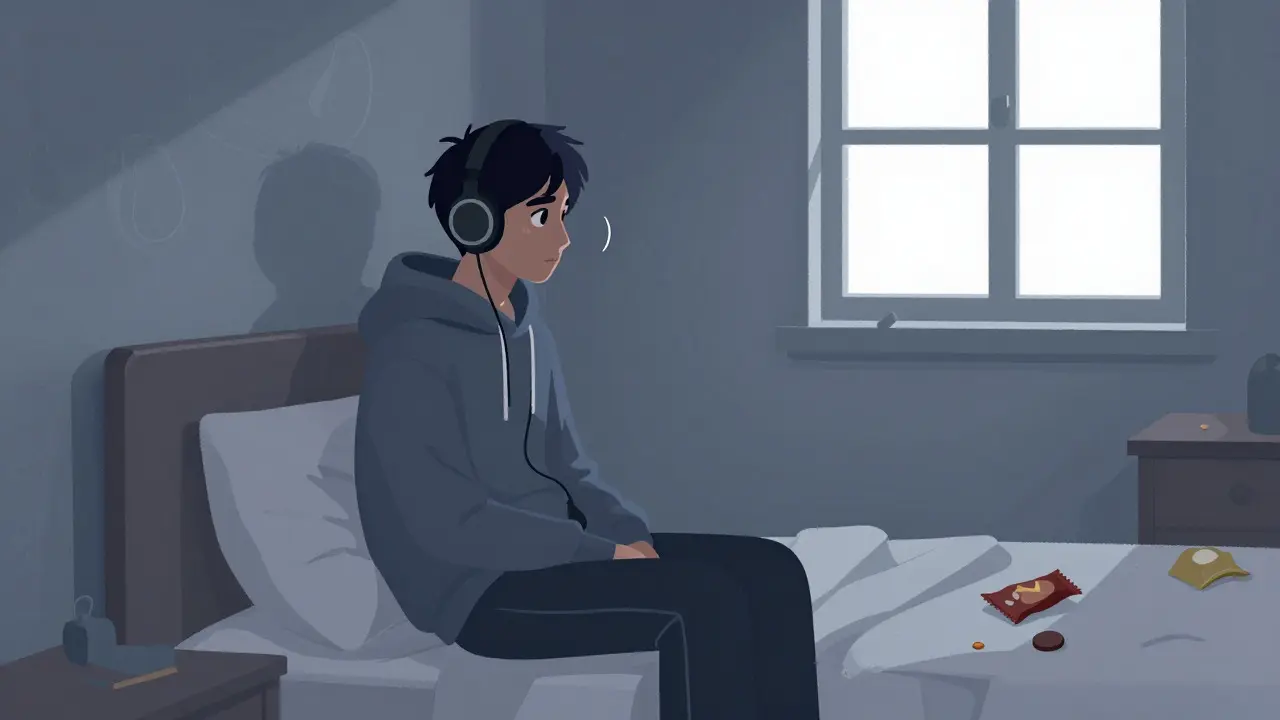
Imagine your best friend suddenly stops answering their phone. They start wearing the same clothes for a week, skip work, and talk about "the signal" in the grocery store aisle. Is it just stress? Or is something more serious happening?
For many families, this moment of confusion is the first real contact with Psychosis is a mental state characterized by a disconnection from reality, typically manifesting through hallucinations, delusions, and disorganized thinking patterns. It is not a standalone diagnosis but a symptom that can occur in various mental health conditions including schizophrenia, bipolar disorder, and schizoaffective disorder. According to the National Alliance on Mental Illness (NAMI), it can also result from substance use, medical conditions, or severe stress.
The good news? You don't have to wait for a full-blown crisis. There are clear early warning signs, and there is a proven treatment model called Coordinated Specialty Care is a comprehensive treatment approach specifically designed for first-episode psychosis, incorporating case management, family education, psychotherapy, supported employment, and medication management. This guide breaks down what to look for and how this care works, so you can act fast if you or someone you know needs help.
Key Takeaways
- Early detection matters: The average duration of untreated psychosis in the US is 74 weeks. Reducing this time significantly improves long-term recovery outcomes.
- Look for four main areas of change: Perception (hearing voices), Thinking/Speech (disorganized talk), Social (withdrawal), and Emotional (mood swings).
- Coordinated Specialty Care (CSC) is the gold standard: It uses a team-based approach rather than just one doctor, leading to better functional outcomes and lower hospitalization rates.
- Family involvement is critical: Structured family education is a core component of CSC, helping loved ones understand the condition and support recovery.
- Action is key: If you suspect psychosis, seek assessment within 72 hours to optimize the "golden hour" for intervention.
Recognizing the Early Warning Signs
Catching psychosis early is tricky because the symptoms often look like normal teenage drama or adult burnout. However, experts identify specific patterns that go beyond typical stress. The Washington State Health Care Authority categorizes these into four primary domains. Understanding these helps you distinguish between a bad week and a potential episode.
1. Unusual Thoughts and Beliefs
This involves ideas of reference, where an individual believes environmental elements hold special meaning for them. For example, hearing a song on the radio and believing it's a direct message meant only for them. You might also notice increased suspiciousness or uneasiness with others, which is reported in 67% of first-episode cases according to NAMI.
2. Sensory or Perceptual Changes
This is the most recognizable sign: hallucinations. While hearing voices is common, it can also involve seeing things, smelling odors no one else can smell, or feeling sensations on the skin. In the early stages, individuals often still recognize these experiences aren't real, but they gradually lose this ability over time. This window is critical for intervention.
3. Changes in Social Activity and Functioning
Watch for a worrisome drop in grades or job performance. NAMI data shows a significant decline in academic or occupational performance occurs in 78% of first-episode cases. You might see social withdrawal, spending excessive time alone (reported in 71% of cases), or poor self-care and hygiene (52% of cases). If a person who used to love their friends suddenly isolates themselves, it’s a red flag.
4. Mood Alterations
Expect anxiety, depression, irritability, or extreme emotional fluctuations. The NHS UK notes that confused and disturbed thoughts can present as rapid speech, switching topics mid-sentence, or sudden pauses in conversation. These aren't just mood swings; they indicate a disruption in cognitive processing.
| Domain | Normal Stress/Burnout | Early Psychosis Indicator |
|---|---|---|
| Social | Tired of people, need rest | Complete withdrawal, loss of interest in all activities |
| Thinking | Racing thoughts due to worry | Disorganized speech, logical disconnects, fixed false beliefs |
| Perception | Feeling overwhelmed | Hearing/seeing things others don't, ideas of reference |
| Functioning | Temporary dip in productivity | Sustained decline in hygiene, work/school performance |
What is Coordinated Specialty Care (CSC)?
Standard psychiatric care often focuses heavily on medication. While important, it doesn't always address the life disruptions caused by psychosis. That’s where Coordinated Specialty Care comes in. Formally established as a recommended model following the 2008 NIMH RAISE initiative, CSC is a team-based approach designed specifically for people experiencing their first episode of psychosis.
The goal isn't just to stop symptoms; it's to help the person get back to school, work, and social life. The American Psychiatric Association gives CSC a Level A recommendation (the highest evidence rating) based on 17 randomized controlled trials showing consistent superiority over standard treatment.
The Five Core Components of CSC
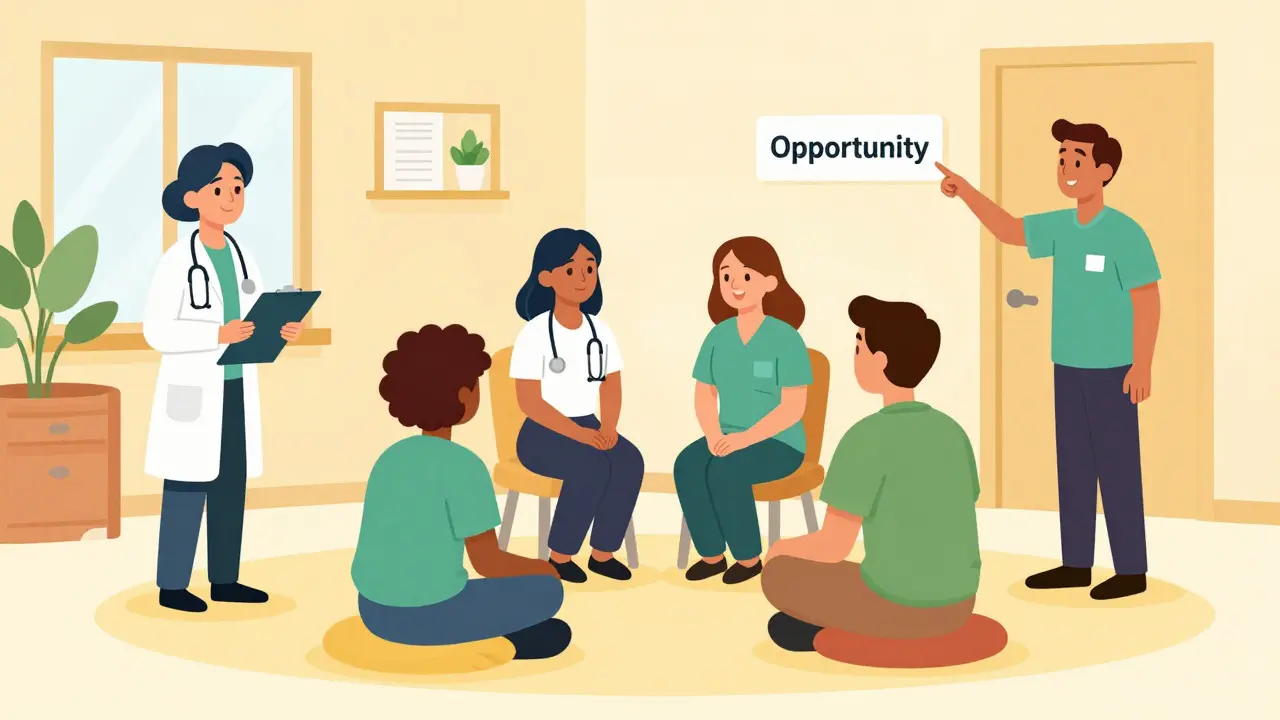
CSC isn't just one type of therapy. It combines five essential evidence-based components defined by SAMHSA's Implementation Guide. Here is how they work together:
- Case Management: A dedicated case manager works with the patient, typically maintaining a 1:10 staff-to-client ratio. During acute phases, this includes weekly home visits. This ensures continuity of care and helps navigate the complex healthcare system.
- Family Education and Support: This is crucial. Families receive structured psychoeducation, usually involving 12-20 weekly 90-minute sessions over at least 6 months. This helps reduce family stress and improves the home environment, which directly impacts the patient's recovery.
- Individual Psychotherapy: Primarily using Cognitive Behavioral Therapy for psychosis (CBTp). Patients typically undergo 24-30 structured sessions over 12-18 months. CBTp helps patients manage symptoms, challenge distorted thoughts, and develop coping strategies.
- Supported Employment and Education: Recovery means living a meaningful life. CSC programs aim to engage 80% of participants in vocational rehabilitation within 3 months of enrollment. This could mean returning to college, finding a job, or starting an apprenticeship.
- Medication Management: Following NICE guidelines, second-generation antipsychotics are often first-line treatments. Crucially, doses are initiated low (25-50% of standard adult doses) and titrated carefully based on response to minimize side effects and improve adherence.
Why Early Intervention Changes Everything
You might wonder why the timing is such a big deal. Dr. Lisa Dixon, Director of the RAISE Implementation Team at Columbia University, explains that the duration of untreated psychosis directly correlates with poorer long-term outcomes. Each additional month of untreated psychosis increases recovery time by 5-7% and reduces functional recovery likelihood by 3.2%.
Think of it like a broken leg. If you splint it immediately, it heals straight. If you wait three months, the bone sets wrong, and recovery is much harder. Similarly, the brain is plastic, and early intervention helps prevent the consolidation of psychotic symptoms into a chronic condition.
Data from the RAISE-ETP study demonstrates that CSC participants showed 58% greater improvement in positive symptoms and 42% better functional outcomes compared to standard care. Furthermore, Dr. Robert Heinssen from NIMH notes that CSC programs reduce hospitalization rates by 45% and increase employment/education engagement by 60%. The economic impact is significant too, with cost-benefit analyses showing a $17.50 return for every $1 invested through reduced crisis services.
How to Access CSC: Practical Steps
If you suspect someone is experiencing early psychosis, here is what you should do. Don't wait for a diagnosis. Act now.
- Use Validated Screening Tools: The 16-item Prodromal Questionnaire (PQ-16) is a validated tool. A score of 8 or higher indicates a need for comprehensive assessment. Many community mental health centers offer this screening.
- Seek Assessment Within 72 Hours: Clinical guidelines emphasize the "golden hour" concept. Aim to get the individual assessed within 72 hours of initial presentation to optimize outcomes.
- Refer to a Specialized Clinic: Look for a program certified in Coordinated Specialty Care. As of 2022, there are 347 certified CSC programs across 48 U.S. states. Check with your local community mental health center or ask your primary care provider for a referral.
- Prepare for Family Involvement: Since family education is a core component, be ready to participate in sessions. Your understanding and support are vital parts of the treatment plan.
Access can be challenging in rural areas. Only 28% of rural counties have CSC availability compared to 84% of urban counties. If you live in a remote area, telepsychiatry is becoming more common, with 38% of CSC programs using it for outreach. However, note that digital tools show lower engagement among adolescents, so in-person support may still be necessary for younger patients.
Frequently Asked Questions
Is psychosis the same as schizophrenia?
No. Psychosis is a symptom, not a diagnosis. Schizophrenia is a specific mental health disorder that often includes psychosis. Other conditions like bipolar disorder, schizoaffective disorder, or even severe stress and substance use can cause psychosis. A proper diagnosis requires a full clinical evaluation.
How long does Coordinated Specialty Care last?
CSC is typically provided for at least two years after the first episode. Some patients may stay longer depending on their progress. The focus is on stabilization, skill-building, and reintegration into society, so the timeline is flexible and patient-centered.
Do I need to be hospitalized to get CSC?
Not necessarily. While some patients enter CSC after a hospital discharge, others can be referred directly from primary care or community settings. The goal of CSC is to keep patients in the community as much as possible, reducing the need for repeated hospitalizations.
What if my family member refuses treatment?
This is common in early psychosis because insight may be limited. Start with non-confrontational approaches. Use the PQ-16 screening as an objective tool to discuss concerns. Involve a trusted primary care physician to validate the need for evaluation. CSC teams are skilled in motivational interviewing and can help bridge the gap.
Are there side effects to the medications used in CSC?
Yes, but CSC manages them differently. By starting at lower doses (25-50% of standard) and monitoring closely, side effects are often minimized. The team regularly reviews medication efficacy and tolerability, adjusting the plan as needed. Open communication with the prescriber is key.