
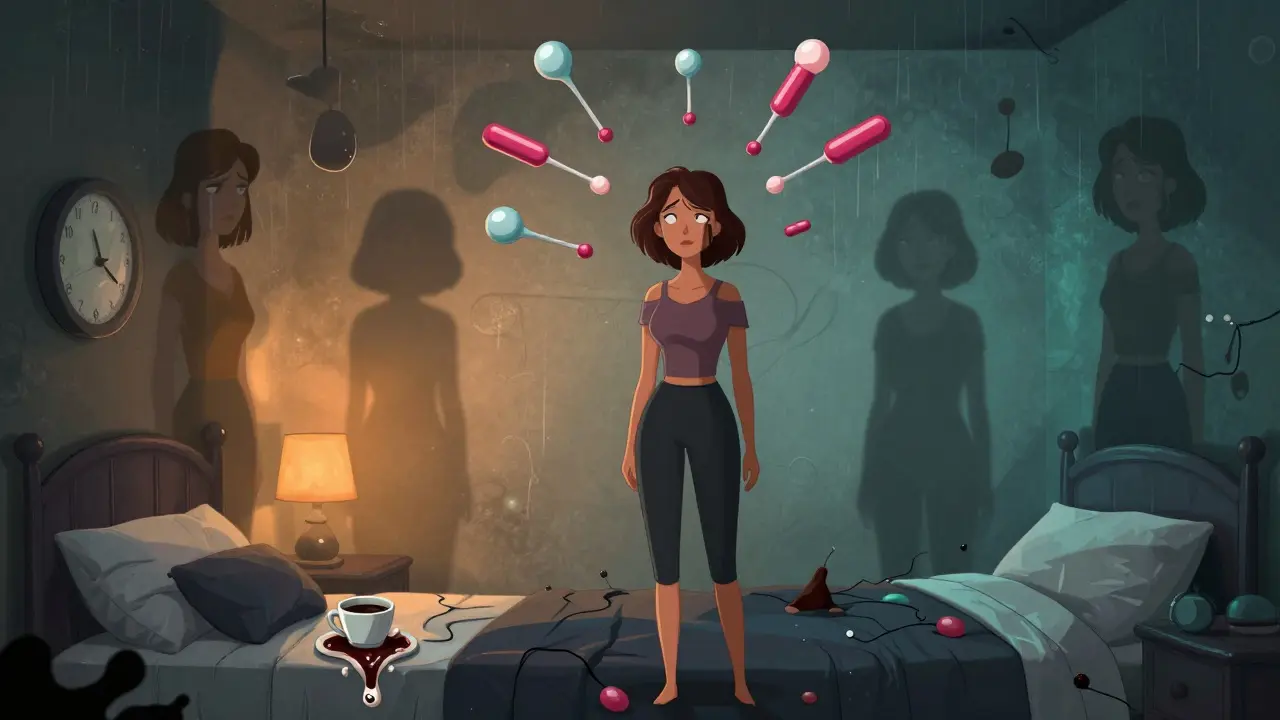
By the time a woman reaches her early 40s, she might notice something off-not just about her period, but about herself. One day she’s fine; the next, she’s crying over a spilled coffee or snapping at her partner over nothing. It’s not "just stress." It’s not "being dramatic." It’s perimenopause-and the hormonal rollercoaster that comes with it.
Why Your Mood Feels Like It’s on a Tilted Floor
Perimenopause isn’t just about hot flashes or irregular periods. It’s a brain-level event. Estrogen, progesterone, and even testosterone are swinging up and down like a pendulum with no rhythm. These aren’t just reproductive hormones-they’re neurochemical regulators. Estrogen controls serotonin, the mood stabilizer. Progesterone boosts GABA, the brain’s natural chill pill. When those levels drop unpredictably, your brain doesn’t know how to respond.Studies show estrogen can fluctuate by 50-60% during this phase. That’s not a gentle decline-it’s a series of sudden drops and spikes. And because women have 30-40% more estrogen receptors in the brain than men, their nervous systems are more sensitive to these shifts. The result? Irritability, anxiety, sadness, or sudden rage that feels out of character. You’re not losing your mind. Your hormones are.
And it’s not just hormones. Sleep gets wrecked by night sweats. One in three women lose more than an hour of sleep a night during perimenopause. That sleep debt piles up. Without enough rest, your brain can’t regulate emotions properly. Stress hormones like cortisol rise. You feel on edge. Small things feel huge. That’s biology, not weakness.
It’s Not Depression-But It Can Look Like It
Many women are told they’re depressed. And yes, depression can happen during perimenopause. But here’s the catch: 70-80% of mood symptoms during this time aren’t classic clinical depression. They’re hormone-triggered emotional instability. The difference matters.With regular depression, symptoms are constant. With perimenopausal mood changes, they come in waves. You might feel fine for weeks, then fall into a fog for three days. You cry for no reason. You get angry at your kids over homework. You shut down during meetings. These episodes don’t follow a monthly cycle like PMS-they show up randomly, sometimes daily, sometimes weekly. That unpredictability makes it harder to recognize.
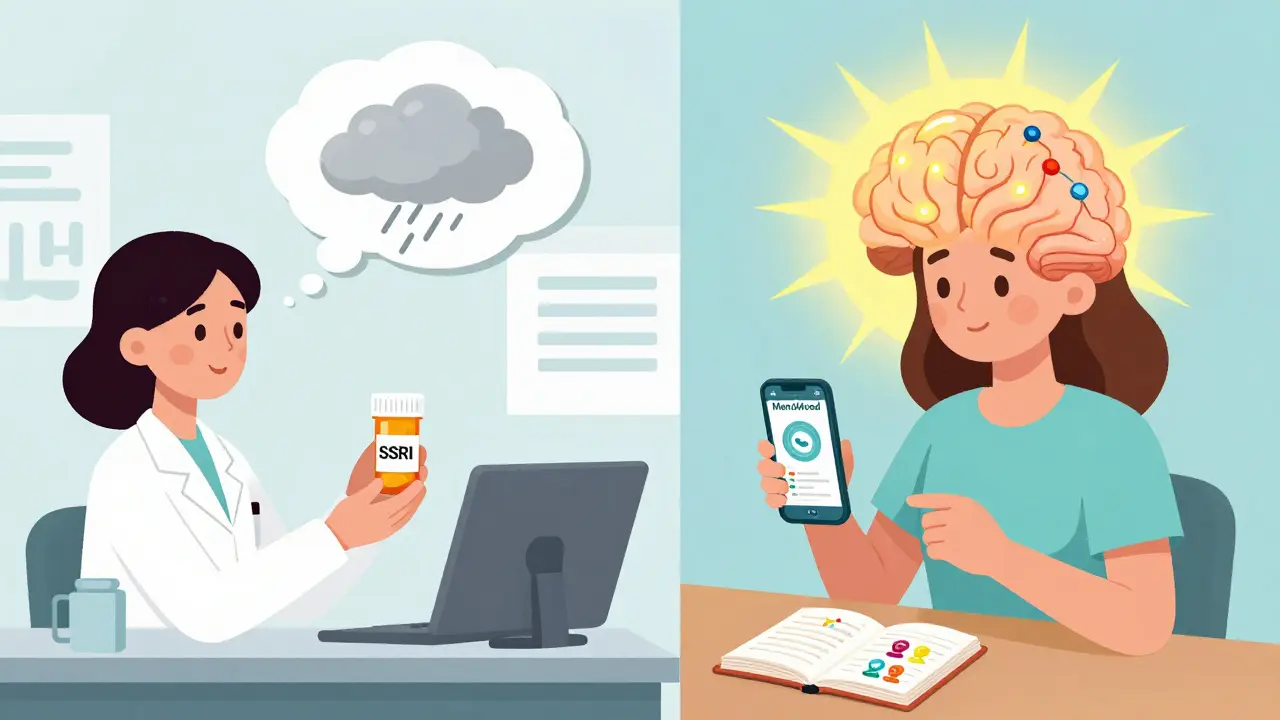
And here’s what doctors are seeing: women with perimenopausal mood changes are 3.2 times more likely to resist standard antidepressants. Why? Because SSRIs target serotonin levels. But if your serotonin isn’t low-it’s just being knocked around by estrogen swings-popping a pill won’t fix the root problem. You might feel a little better, but the emotional storms keep coming.
What Actually Helps (And What Doesn’t)
There’s no one-size-fits-all fix. But research and real-world results point to a few clear paths.Hormone therapy (HRT)-especially low-dose estrogen-is the most effective treatment for hormone-driven mood symptoms. Studies show 45-55% of women see mood improvement within 6-12 weeks. It doesn’t fix everything, but it stabilizes the foundation. For women with severe symptoms, combining estrogen with a low-dose SSRI can boost results. The North American Menopause Society updated its 2023 guidelines to recommend this combo approach over SSRIs alone.
Digital CBT apps like MenoMood, approved by the FDA in June 2023, offer structured cognitive behavioral therapy tailored to perimenopause. In clinical trials, users reported a 35% reduction in mood swings after eight weeks. It’s not a magic bullet, but it’s free from side effects and works well alongside other treatments.
Lifestyle changes matter more than people admit. Regular exercise-even 30 minutes of walking five days a week-can lift mood as much as some antidepressants. Sleep hygiene is non-negotiable. Cut caffeine after noon. Keep your bedroom cool. Avoid screens an hour before bed. Nutrition helps too. Omega-3s, magnesium, and vitamin D support brain function. One 2022 study found women who took 400 mg of magnesium daily reported 40% less irritability.
What doesn’t work? Waiting it out. Many women delay seeking help because they think it’s "just part of aging." But the longer mood symptoms go untreated, the harder they are to reverse. And untreated emotional distress during perimenopause increases long-term risk for anxiety disorders and even cardiovascular issues.
Why So Many Women Get Misdiagnosed
In a 2022 Cleveland Clinic survey, 34% of perimenopausal women said they were first told they had clinical depression-when the real issue was hormonal.Why does this happen? Most primary care doctors still aren’t trained to spot perimenopause. Only 54% of OB/GYNs routinely screen for mood symptoms today-up from 29% in 2018, but still far from universal. And because perimenopause symptoms overlap so much with depression, anxiety, or burnout, it’s easy to miss.
Here’s what to ask your doctor: "Could my mood changes be linked to perimenopause?" Then ask for a symptom tracker. Track your moods, sleep, hot flashes, and menstrual patterns for at least 90 days. That data gives your doctor the pattern they need to see. No one can diagnose this from a 10-minute visit.
Real Stories, Real Relief
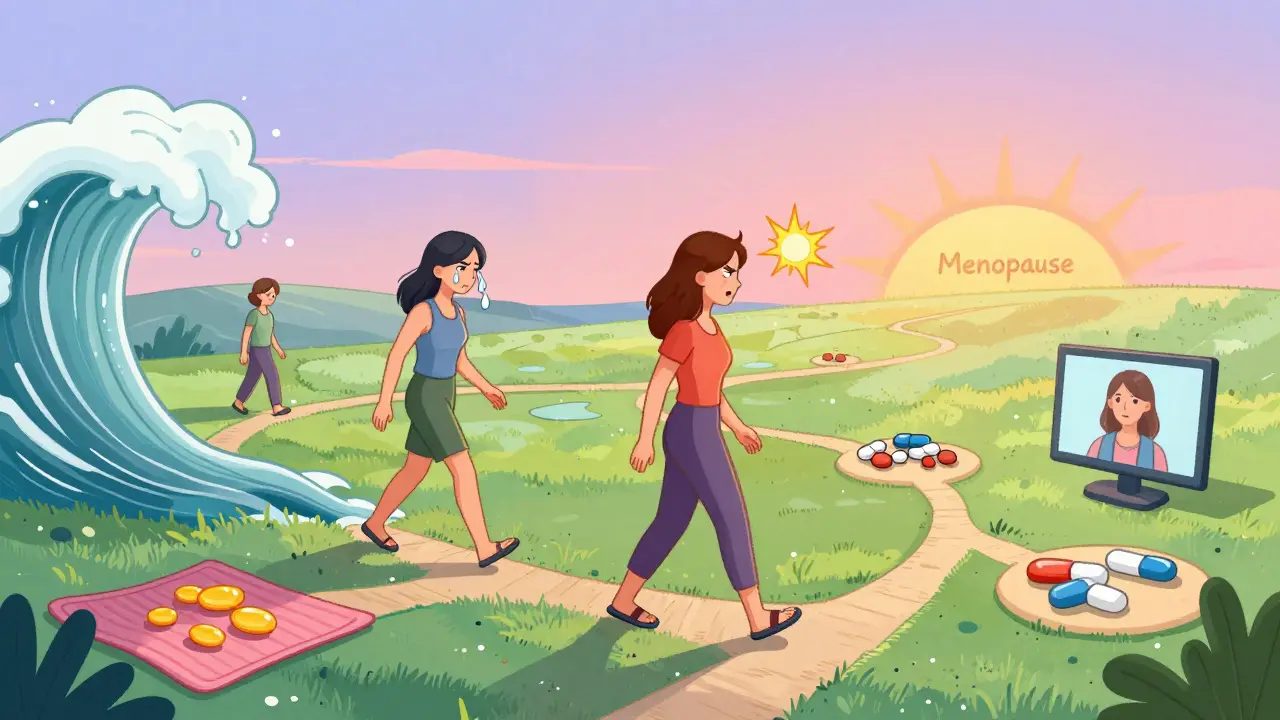
On Reddit’s r/Perimenopause forum, 78% of women report sudden rage episodes they never had before. One woman wrote: "I yelled at my daughter for leaving her shoes in the hallway. Then I sat on the floor and cried for an hour. I didn’t recognize myself."Another said: "I started HRT after 18 months of feeling like I was drowning. Within six weeks, I slept through the night. I stopped crying at commercials. I felt like me again."
But not everyone has access. Insurance often won’t cover HRT fully. Only 38% of prescriptions are fully covered. And finding a specialist? There are only about 2,300 certified menopause practitioners in the U.S. But telehealth services for perimenopause have grown 210% since 2020. You can now find specialists online who know exactly what you’re going through.
What’s Next? The Future Is Personalized
The NIH just launched a $47 million study tracking 10,000 women over five years to map exactly how hormonal shifts affect the brain. By 2026-2028, we may have genetic tests that predict who’s most at risk for mood swings during perimenopause. Researchers are also exploring gut health-because the gut produces estrogen metabolites. A healthy microbiome might help stabilize hormone levels naturally.For now, the best thing you can do is pay attention. If your mood has changed in the last year, especially if it’s worse than usual, it’s not "just life." It’s your body signaling a shift. You don’t have to suffer through it. You don’t have to be told you’re depressed when you’re not. You just need the right information-and the right support.
Is irritability during perimenopause normal?
Yes. Irritability is one of the most common mood symptoms of perimenopause, affecting up to 63% of women. It’s caused by fluctuating estrogen and progesterone, which directly affect brain chemicals like serotonin and GABA. These mood swings aren’t a sign of weakness-they’re a biological response to hormonal shifts.
Can hormone therapy help with anxiety and depression during perimenopause?
For women whose mood symptoms are tied to hormonal changes, low-dose estrogen therapy can help significantly. Studies show 45-55% of women report improved mood within 3-6 months. If anxiety or depression is severe, combining HRT with an SSRI often works better than either treatment alone. But it’s not for everyone-your doctor will assess your health history, especially if you have a risk for blood clots or breast cancer.
How do I know if my mood changes are from perimenopause or depression?
Track your symptoms for at least 90 days. Perimenopausal mood changes are unpredictable and often linked to sleep disruption, hot flashes, or menstrual irregularities. Clinical depression tends to be constant, with low energy, loss of interest, and feelings of worthlessness lasting most of the day, nearly every day. If your mood improves when your sleep improves or after starting HRT, hormones are likely the driver. A specialist can help distinguish between the two.
Do I need to see a specialist, or can my regular doctor help?
Many primary care doctors aren’t trained in perimenopause. While they can prescribe basic treatments, specialists-like certified menopause practitioners (CMPs)-understand the full picture: hormonal patterns, brain chemistry, and treatment combinations. If you’re not getting answers, use the North American Menopause Society’s clinician finder to locate a specialist near you. Telehealth options are also widely available and effective.
How long do perimenopause mood symptoms last?
On average, mood symptoms last 2-5 years, peaking in the two years before your final period. For most women, they fade after menopause-once hormone levels stabilize. But if left untreated, they can persist longer and increase the risk of long-term anxiety or depression. Early intervention shortens the duration and reduces severity.
Are there natural ways to manage perimenopause mood swings?
Yes. Regular exercise, especially aerobic activity, can be as effective as medication for mild to moderate mood symptoms. Prioritizing sleep, reducing caffeine and alcohol, and taking magnesium (400 mg/day) or omega-3s can help. Mindfulness practices like yoga and meditation lower cortisol and improve emotional regulation. But if symptoms are severe, natural methods alone usually aren’t enough-combine them with medical support.

OMG YES. I thought I was going crazy until I found out it was perimenopause. One day I was fine, the next I was sobbing because my cat looked at me wrong. HRT changed my life. No more rage episodes, no more crying at Target. I feel like myself again.
Stop telling women it's 'just stress.' It's biology. And we need better care.
Interesting how this article frames hormonal shifts as some kind of medical emergency. Meanwhile, men go through androgen decline and nobody calls it a 'brain-level event.' Just sayin'.
Man, I wish my wife had this info five years ago. She went from being my best friend to a walking storm cloud. I thought she hated me. Turns out she was just swimming in estrogen soup.
She started HRT last spring. Now we watch dumb Netflix shows again instead of tiptoeing around like we’re in a war zone. Also, she finally stopped yelling at the toaster.
Side note: magnesium really works. I started taking it too. My sleep’s better. Maybe I’m just getting old, but I’m not mad about it.
So let me get this straight - women’s brains are somehow more sensitive to hormones than men’s, so when estrogen does its weird dance, we’re supposed to treat it like a medical crisis? Meanwhile, I had a 3am panic attack over a burnt toast and was told to ‘just breathe.’
Yeah right. My cortisol’s probably higher than your estrogen levels, honey.
But hey - if HRT and CBT apps fix it, more power to you. Just don’t act like men don’t have hormonal chaos too. We just don’t get a Wikipedia page for it.
This is a well-researched and clinically grounded overview of perimenopausal mood dysregulation. The integration of neuroendocrine data with practical interventions is commendable. I would encourage clinicians to adopt the NAMS 2023 guidelines and prioritize longitudinal symptom tracking over reactive pharmacotherapy.
Additionally, the emphasis on sleep hygiene and nutritional support aligns with emerging evidence in neurobehavioral medicine.
So you’re telling me the reason I yelled at my kid for eating cereal with a fork is because my hormones are having a rave in my amygdala?
Well. That explains a lot.
Also, I didn’t know magnesium was a mood stabilizer. Guess I’ll stop pretending I’m a coffee-powered robot and start taking it. Thanks, science.
USA only talk? 😒 In Nigeria, we don’t need apps or HRT - we just say ‘woman be like that’ and move on. Your body is not broken, you just need to pray harder and eat more yam.
Also, why are you letting Big Pharma tell you how to feel? 🤔
My auntie had 7 kids during perimenopause and still ran a market. You crying over coffee? 🙄
But okay, take your pills. I’ll be here with my bitter herbs and ancestral wisdom. 🌿🪔
You’re not broken. You’re not dramatic. You’re not weak.
This is your body changing. And you deserve to feel like yourself again.
Start with sleep. Then move. Then talk to a specialist. Not your cousin. Not Google. A real one.
You got this. And you’re not alone.
I read this and cried. Not because I’m sad - because I finally feel seen.
I thought I was a bad mom because I snapped at my son for spilling milk. Turns out my brain was just on a rollercoaster with no seatbelt.
Started HRT last month. I slept through the night for the first time in 2 years. I’m not ‘fixed,’ but I’m back. Thank you for writing this.
HRT works. I did it. I’m fine now.
It is imperative that public health infrastructure be restructured to accommodate the physiological realities of perimenopause. The current diagnostic paradigm, heavily reliant on symptom self-reporting without biochemical correlation, is inadequate. We must institutionalize standardized screening protocols and ensure equitable access to hormone therapy and cognitive behavioral interventions.
Furthermore, the socioeconomic disparities in care access outlined herein demand immediate policy intervention.
My mom said perimenopause was just men being dramatic and I believed her until I turned 42 and started crying at a dog food commercial
now I take magnesium and yell at my husband less
also I bought a fan for my bedroom
best decision ever
Let’s be real - this article is just a long ad for estrogen therapy. Where’s the data on long-term cancer risk? Where’s the discussion about the placebo effect in CBT apps? And why is no one talking about the fact that 80% of women who report ‘mood swings’ are actually just sleep-deprived parents?
This isn’t science. It’s marketing dressed up as medicine.
Ugh. Another article telling women they’re not crazy - just hormonal. Like we needed another reason to feel like our bodies are betraying us.
Meanwhile, men get to age gracefully into ‘wise elder’ status. Women get ‘hormonal monster’ and a 10-minute OB-GYN appointment.
Also - who’s paying for this HRT? My insurance only covers it if I’m 65 and already in menopause. Guess I’ll keep crying into my oat milk latte.