
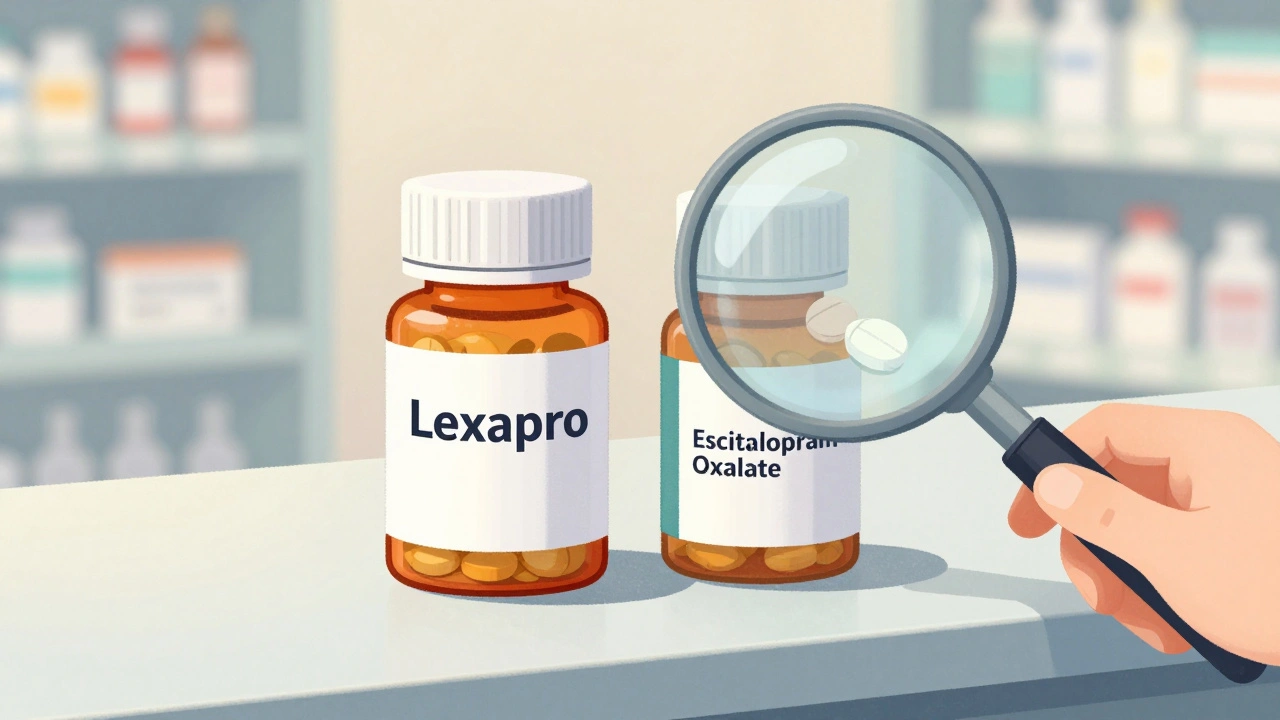
When your doctor prescribes a brand-name medication, you might assume the only cheaper option is a traditional generic. But there’s another option-authorized generics-that many patients don’t know about. And it’s not just another generic. It’s the exact same pill, in the exact same bottle, made by the same company… just without the brand name on it.
That’s not a marketing trick. It’s a legal, FDA-approved way to sell the exact same drug at a lower price. But here’s the catch: most people can’t tell the difference between an authorized generic and a regular generic. And that confusion can cost you money-or worse, affect how well your medicine works.
What Exactly Is an Authorized Generic?
An authorized generic is the brand-name drug you’re already familiar with, but sold under a different label. No changes to the formula. No different ingredients. No altered manufacturing process. The FDA defines it clearly: it’s the same drug, made by the same company, using the same equipment, and following the same quality controls as the brand-name version.
Think of it like buying a soda. The brand-name version has the red logo and fancy packaging. The authorized generic? Same soda, same recipe, same factory-but the bottle says "Cola Flavor" instead of "Coca-Cola." The taste? Identical. The ingredients? Identical. The only difference is the label.
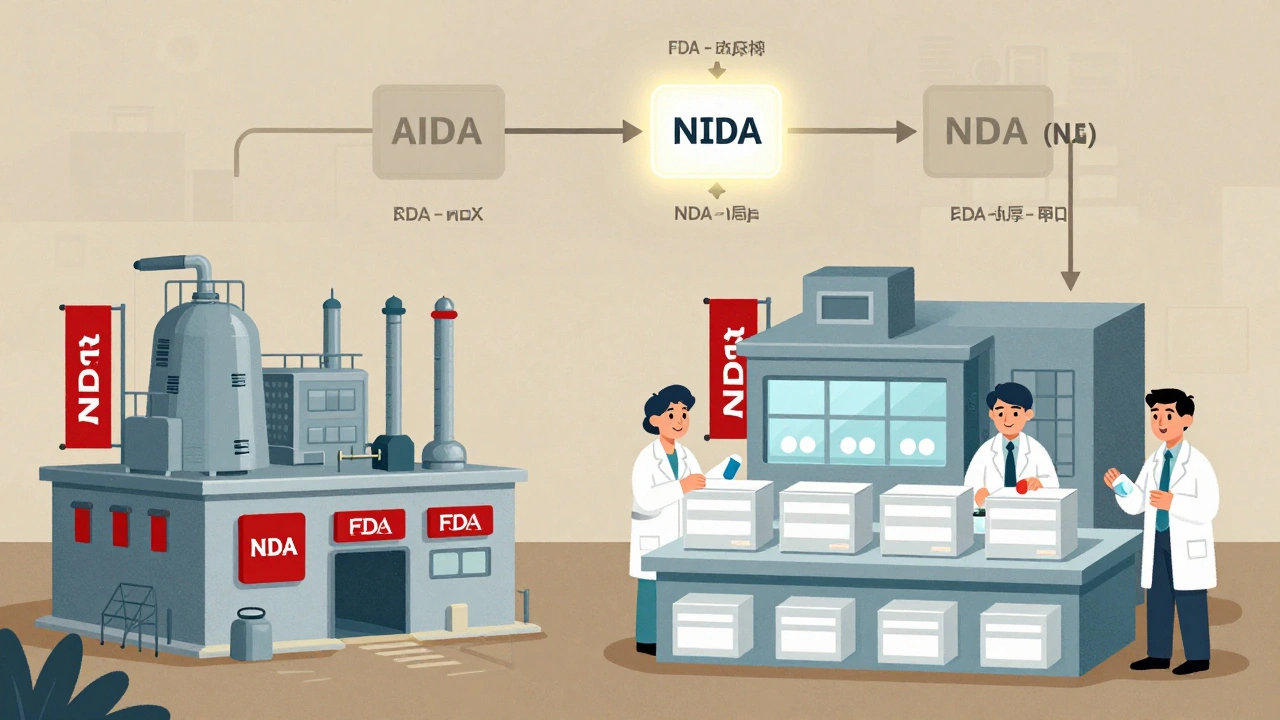
These drugs are approved under the original brand’s New Drug Application (NDA), not through the Abbreviated New Drug Application (ANDA) process that traditional generics use. That means they don’t need to prove bioequivalence. They don’t have to show they work the same way-they already are the same way.
As of September 2023, there were 1,872 authorized generic products available in the U.S., covering 467 different active ingredients. That’s not a niche market. It’s a major part of how people access affordable medications today.
How Authorized Generics Are Made and Sold
Authorized generics aren’t made by random generic companies. They’re produced by the brand-name manufacturer-or one of its subsidiaries or licensed partners. Companies like Greenstone LLC (a Pfizer subsidiary), Prasco Laboratories, and Patriot Pharmaceuticals specialize in distributing these versions.
The brand company decides when to launch an authorized generic. Often, it’s right when the patent expires. Sometimes, it’s even before the first traditional generic hits the market. That’s not an accident. It’s a business strategy.
Here’s why: when a patent expires, the first company to file a generic version gets 180 days of exclusive rights to sell that generic. That’s a huge financial incentive. But if the brand company launches its own authorized generic at the same time, it splits that market. The first generic company doesn’t get to monopolize sales. That’s why some critics say authorized generics are used to block competition.
But for patients? It means more options. And often, lower prices.
Authorized Generics vs. Traditional Generics: The Real Differences
Here’s where things get messy. Most people think all generics are the same. They’re not.
Traditional generics must meet FDA requirements to prove they’re bioequivalent to the brand-name drug. That means they must deliver the same amount of active ingredient into your bloodstream at the same rate. But they can-and often do-have different inactive ingredients. That includes fillers, dyes, binders, and coatings.
For most people, that doesn’t matter. But for some, it does.
Patients with allergies to certain dyes or lactose, or those with digestive sensitivities, can react to these differences. A 2022 survey by the National Community Pharmacists Association found that 67% of independent pharmacists reported patients specifically asking for authorized generics because they had bad reactions to traditional generics in the past.
Authorized generics? No changes to inactive ingredients. Same as the brand. Same formulation. Same everything.
And here’s another big difference: authorized generics don’t show up in the FDA’s Orange Book. That’s the official list of approved drugs and their therapeutic equivalence ratings. Traditional generics are listed there. Authorized generics? They’re not. Why? Because they’re not considered a separate drug product-they’re just the brand drug with a different label.
This causes confusion for pharmacists and patients alike. You might see two pills that look identical, but one is labeled as a generic and the other as an authorized generic. They’re the same. But your pharmacy system might treat them differently.
Why Authorized Generics Cost Less (But Not Always)
Authorized generics are almost always cheaper than the brand-name version. Savings range from 15% to 30%, depending on the drug and market competition.
But here’s the twist: sometimes, they cost the same as traditional generics. Other times, they’re slightly more expensive. Why? Because they’re still made by the brand company. Their production costs are higher than a generic made in a low-cost facility overseas.
And here’s the kicker: some insurance plans and pharmacy benefit managers (PBMs) still classify authorized generics as "brand" drugs. That means you might pay a higher copay-even though the drug is chemically identical to the brand.
A 2022 Kaiser Health News investigation found patients being charged brand-name prices for authorized generics. That’s not fair. And it’s not common knowledge.
Always check your receipt. If your drug is an authorized generic, ask your pharmacist to confirm the price. You might be able to get it at the generic tier.
How to Spot an Authorized Generic
Most of the time, you won’t know unless you ask. But there are ways to find out.
First, check the label. Authorized generics often have simple names like "Lisinopril 10 mg"-no brand name at all. But so do traditional generics. So that’s not enough.
Second, ask your pharmacist. Say: "Is this an authorized generic?" They can check the manufacturer and the FDA’s List of Authorized Generic Drugs, which is updated monthly.
Third, look up the manufacturer. If it’s Greenstone, Prasco, or Patriot, it’s likely an authorized generic. These companies only distribute authorized versions.
And fourth, check the pill imprint. Authorized generics often have the same imprint as the brand-name drug. Traditional generics usually have a different shape, color, or marking.
Here’s a real example: The brand-name drug Lexapro (escitalopram) has an authorized generic made by Forest Laboratories. The authorized version looks identical-same oval, same imprint, same color. The only difference? The box says "Escitalopram Oxalate" instead of "Lexapro."
When to Choose an Authorized Generic
You should consider an authorized generic if:
- You’ve had side effects from traditional generics (like stomach upset, rash, or dizziness)
- You’re on a medication where consistency matters-like epilepsy, thyroid, or psychiatric drugs
- You’ve been told your brand-name drug has no generic yet, but you see a cheaper version on the shelf
- You want the exact same formulation your doctor prescribed, without any uncertainty
Authorized generics are especially useful for complex drugs-like biologics, extended-release formulations, or those with narrow therapeutic windows. In these cases, even tiny differences in inactive ingredients can affect how the drug works.
For simple drugs-like ibuprofen or metformin-the difference between a traditional generic and an authorized generic is usually negligible. But for others? It can be life-changing.
What Patients and Providers Need to Know
Patients: Don’t assume all generics are equal. Ask if your prescription is an authorized generic. If you’ve had issues with generics before, request the authorized version. It’s your right.
Pharmacists: Know how to identify authorized generics. Check the manufacturer. Consult the FDA’s list. Don’t rely on the Orange Book-it won’t help you here.
Doctors: When prescribing, consider writing "dispense as written" if you want the authorized generic. Otherwise, your patient might get a traditional generic with different fillers. That could matter.
And if you’re on Medicare or private insurance? Always review your Explanation of Benefits. If you’re being charged a brand copay for what’s clearly a generic, call your plan. You might be overpaying.
The Bigger Picture: Why This Matters
Authorized generics aren’t just a pricing trick. They’re a tool for patient safety. When you switch from a brand to a traditional generic, you’re switching formulations-even if the active ingredient is the same. For some people, that’s fine. For others, it’s risky.
The FDA, Congress, and industry groups are still debating the role of authorized generics. Some argue they reduce competition. Others say they increase access.
But for patients? The bottom line is simple: you deserve to know what’s in your medicine. And if you want the exact same drug your doctor prescribed-just cheaper-you have the right to ask for it.
As of 2023, about 12.7% of all generic drugs dispensed in the U.S. were authorized generics. That number is expected to grow to 15.3% by 2027. More people are learning about them. More pharmacies are stocking them. And more patients are asking for them.
You don’t need to be a pharmacist to understand this. You just need to ask the right questions.
Are authorized generics as safe as brand-name drugs?
Yes. Authorized generics are identical to brand-name drugs in every way-active ingredients, dosage, strength, manufacturing process, and even inactive ingredients. The FDA considers them therapeutically equivalent because they are the exact same product, just without the brand name on the label.
Can I trust an authorized generic if it looks different from my brand?
If the pill looks different, it’s probably not an authorized generic. Authorized generics are designed to look identical to the brand-name version, except for the label. If the shape, color, or imprint is different, it’s likely a traditional generic. Always check the manufacturer name on the bottle to be sure.
Why don’t authorized generics show up in the FDA’s Orange Book?
The Orange Book only lists drugs approved through the Abbreviated New Drug Application (ANDA) process. Authorized generics are marketed under the original brand’s New Drug Application (NDA), so they’re not required to be listed. They’re not a separate drug product-they’re the brand drug under a different label.
Are authorized generics cheaper than traditional generics?
Usually, yes-but not always. Authorized generics often cost the same as traditional generics, and both are cheaper than the brand. However, some insurance plans treat authorized generics as brand-name drugs, which can lead to higher copays. Always check your pharmacy receipt and ask your insurer.
How do I know if my drug is an authorized generic?
Ask your pharmacist. They can check the manufacturer and compare it to the FDA’s List of Authorized Generic Drugs. Look for manufacturers like Greenstone, Prasco, or Patriot. Also, check if the pill matches the brand-name version exactly in shape, color, and imprint. If it does, and the label says only the generic name, it’s likely an authorized generic.
Can I switch from a brand to an authorized generic without talking to my doctor?
In most cases, yes-because authorized generics are identical to the brand. But if your doctor specifically wrote "dispense as written," your pharmacist must follow that. Always check with your doctor if you’re switching, especially for medications where small changes can matter, like blood thinners or seizure drugs.

So let me get this straight - the pharma companies make the exact same pill, slap a different label on it, and call it an 'authorized generic'... while still charging you brand prices because your insurance is too dumb to know the difference? Brilliant. Absolute genius. Next they'll sell you the same coffee in a Starbucks cup and a Dunkin' cup and charge you $8 for the latter. Welcome to capitalism, folks.
OMG I just found out my anxiety med is an authorized generic and I’ve been paying brand price for YEARS 😭 I called my pharmacy and they were like 'oh yeah, this one’s the same as the brand!' and gave me a $20 discount on the spot. I’m telling everyone - ask your pharmacist, don’t just assume! 💪❤️
If you’ve ever had a weird reaction to a generic - stomach issues, dizziness, rash - and your doctor says 'it’s the same thing'... they’re lying. It’s not. The fillers change. The coating changes. The absorption rate can shift. Authorized generics fix that. They’re the brand in disguise. I’ve been switching to them for my thyroid med since 2020. No more crashes. No more brain fog. Just steady, predictable results. Ask for it. It’s your right.
Let’s be real - most people don’t know the difference between a traditional generic and an authorized generic because the system is designed to confuse them. Pharmacies don’t highlight it. Insurance companies don’t explain it. Doctors rarely bring it up unless you ask. But here’s the thing: if you’re on a narrow therapeutic index drug - like warfarin, levothyroxine, or seizure meds - even a 5% variation in absorption can mean the difference between control and crisis. Authorized generics eliminate that risk because they’re not just bioequivalent - they’re identical. Same batch, same machine, same quality control. The FDA doesn’t list them in the Orange Book because they’re not a new drug - they’re the same drug wearing a different hat. And if your copay is still at brand level? Push back. File a complaint. Your insurance isn’t doing you any favors.
Oh wow, a whole article about how the pharmaceutical industry is 'helping' patients by offering the exact same product under a different label. How novel. Let me guess - the real story is that big pharma is using authorized generics to stifle competition, manipulate patent cliffs, and maintain profit margins while pretending they’re being 'patient-friendly.' The FDA’s approval doesn’t make it ethical. It just makes it legal. And you’re celebrating this as progress? Pathetic.
Authorized generics are a scam. They’re not cheaper. They’re not better. They’re just the brand company’s way of sucking the life out of real generic manufacturers. The moment a patent expires, the brand launches their own 'generic' to crush the first filer. That’s not competition - that’s corporate bullying. And now we’re supposed to be grateful they’re letting us buy the same pill for $1 less? Wake up. This isn’t healthcare innovation. It’s monopoly preservation.
I used to be skeptical too - until my mom had a bad reaction to a generic version of her blood pressure med. Swelling, weird rash, felt like she was being poisoned. Switched to the authorized generic - same pill, same everything - and she’s been fine for 3 years now. It’s not about being paranoid. It’s about knowing your body. If you’ve ever had a weird side effect from a generic, don’t brush it off. Ask for the authorized one. It’s not a luxury. It’s a safety net.
Let’s be honest - if you’re not a pharmacologist, you shouldn’t be trying to navigate this mess. The fact that you have to Google manufacturer names, cross-reference FDA lists, and compare pill imprints just to get the right version of your own medication is a national disgrace. But hey - at least we’ve got emojis to make it feel better 🤡💊🩺📉. Meanwhile, Big Pharma is laughing all the way to the bank while you’re stuck playing pharmaceutical detective. Congrats, America. You’ve turned healthcare into a puzzle no one should have to solve.
Just checked my last prescription - it’s an authorized generic from Greenstone. Same pill as the brand, 40% cheaper. I didn’t know until I asked. Thank you for writing this. I’m sharing it with my book club. Everyone deserves to know this.