
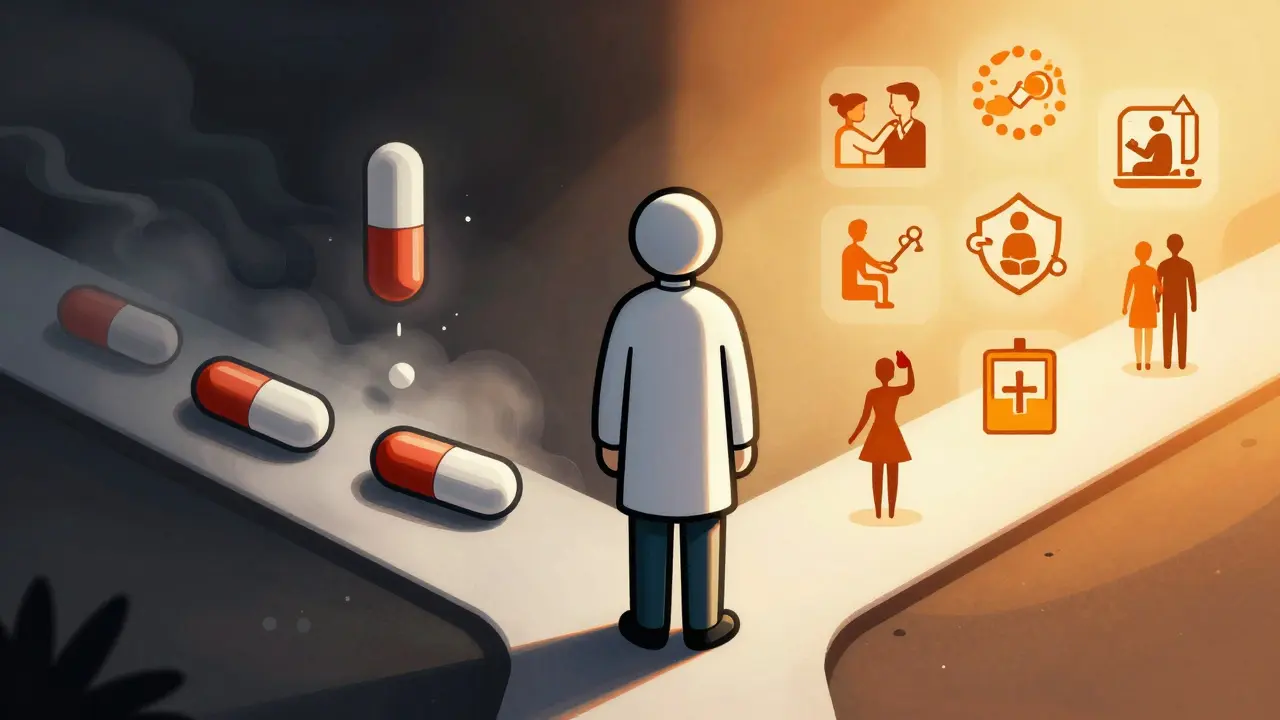
Pain shouldn't mean dependence on addictive drugs. For years, many people managed their discomfort with prescription opioids, often unaware of the hidden costs. In 2021 alone, nearly 107,000 overdose deaths were recorded in the United States, with a significant portion linked to prescription pills. The situation forced medical experts to rethink how we handle suffering. We have moved past the era where opioids were the default solution. Now, the focus has shifted firmly toward Non-Opioid Pain Management strategies that treat pain effectively without risking addiction or severe side effects. These methods include both medicines and lifestyle adjustments that restore function rather than just masking symptoms.
The Shift in Medical Guidelines
Doctors used to prescribe opioids for almost any kind of long-term ache, from back pain to arthritis. That practice changed when evidence showed these drugs rarely helped beyond three months for chronic conditions. In 2022, the CDC Centers for Disease Control and Prevention released updated clinical guidelines prioritizing non-opioid therapies. These guidelines state clearly that clinicians should prefer nonpharmacologic therapy and nonopioid pharmacologic therapy for subacute and chronic pain. Initiating opioids is now reserved for cases where benefits outweigh risks significantly. This isn't just theory; adoption rates for non-opioid first-line treatment jumped from 35% in 2016 to 67% in 2022 among primary care providers.
Understanding the Risks of Traditional Opioids
Before exploring alternatives, it helps to understand why the old method fell short. Opioids carry heavy baggage. Beyond the obvious risk of addiction, they cause drowsiness, constipation, respiratory depression, and confusion. A study published in JAMA Network Open found that patients on opioids reported significantly more adverse symptoms-nearly 29 per patient compared to 17 for those using non-opioid treatments. Furthermore, tolerance builds quickly, meaning you need higher doses for the same effect, increasing danger.
The financial toll is also staggering. Healthcare systems spent billions annually managing opioid-related issues. Estimates suggest widespread adoption of safer methods could save roughly $14.5 billion each year while helping millions of Americans function better. The goal isn't just stopping pain signals in the brain but improving daily life without the fog of sedation.
Non-Pharmacological Approaches
You don't always need a pill to find relief. The CDC lists several non-drug interventions with proven efficacy. These therapies address the body-mind connection and mechanical causes of pain.
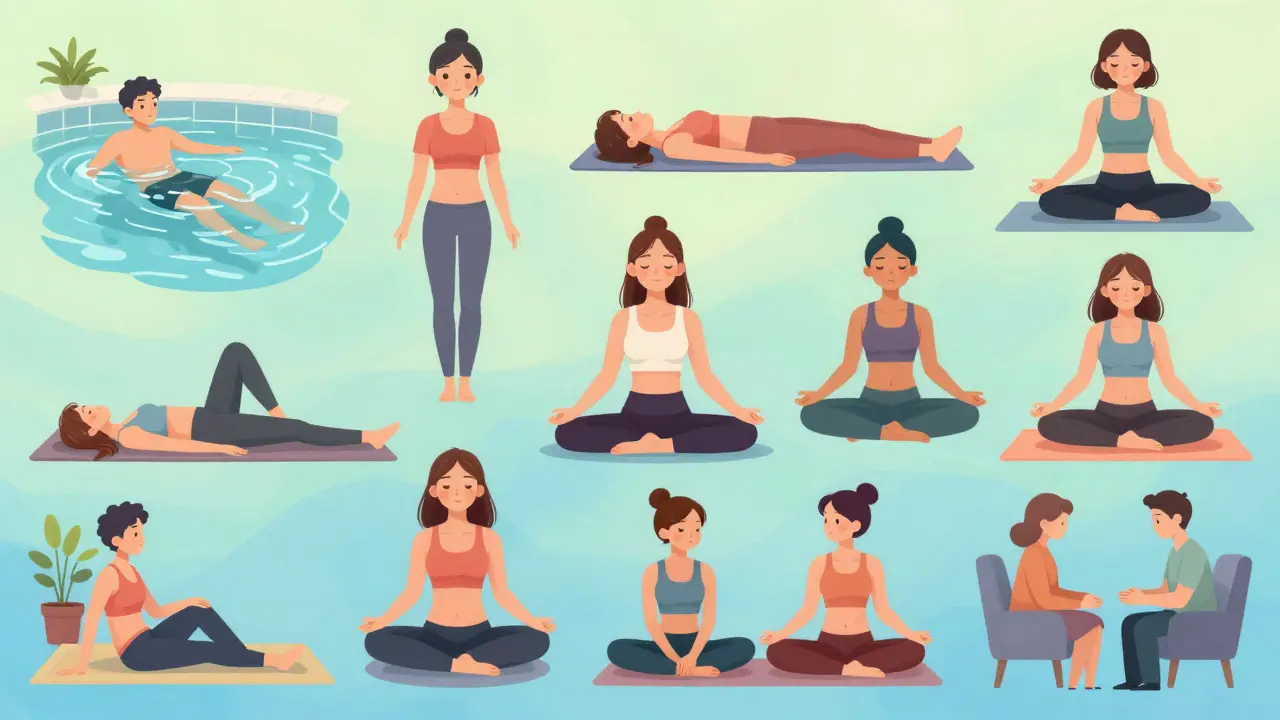
- Exercise Therapy: Aerobic activities, resistance training, and aquatic exercises work wonders. Protocols typically require at least 2-3 sessions per week for 6-8 weeks to see meaningful results. Water-based workouts are especially helpful for joint pain since buoyancy reduces stress on the spine.
- Mind-Body Practices: Yoga, tai chi, and qigong help regulate the nervous system. They teach you to control your breathing and reduce tension that exacerbates pain.
- Cognitive Behavioral Therapy (CBT): Pain lives in the mind as much as the body. CBT helps reframe negative thought patterns. Standard treatment involves 8-12 weekly sessions. Studies show this combination can lead to moderate to significant relief in over 50% of chronic pain sufferers.
- Manual Therapies: Massage, spinal manipulation, and acupuncture provide targeted relief. About 52% of surveyed community members reported finding acupuncture beneficial for their condition.
| Therapy Type | Recommended Duration | Primary Benefit | Typical Insurance Coverage |
|---|---|---|---|
| Physical Therapy | 6-12 weeks | Mobility and strength | Varied (often 15-20 visits/year) |
| Cognitive Behavioral Therapy | 8-12 sessions | Pain coping skills | Often covered for mental health |
| Acupuncture | 4-10 sessions | Nerve modulation | Variable (may require authorization) |
| Yoga/Tai Chi | Daily practice | Flexibility and stress | Limited (preventative programs) |
Non-Opioid Medication Options
Sometimes movement and mindset aren't enough immediately. You might need pharmaceutical support that doesn't carry the risk of opioid misuse. Several classes of drugs serve this role safely.
NSAIDs and Acetaminophen
NSAIDs Nonsteroidal anti-inflammatory drugs like ibuprofen and naproxen reduce inflammation and pain. They are effective for musculoskeletal issues but come with caveats. Long-term use can hurt kidneys, raise blood pressure, or irritate the stomach. Acetaminophen A common analgesic often found in combination pain relievers. requires careful dosing. Exceeding 3,000 to 4,000 mg daily risks liver damage. Always check all labels because many cold medicines contain this ingredient already.
Antidepressants for Pain
This sounds counterintuitive, but certain antidepressants block pain signals. Tricyclics like amitriptyline and SNRIs like duloxetine target chemicals in the nervous system involved in pain perception. Duloxetine shows a 30-50% pain reduction in roughly 40% of patients with chronic musculoskeletal pain. These take time-usually 4-6 weeks-to kick in fully, so patience is key.
Anticonvulsants and Topicals
For nerve pain specifically, anticonvulsants such as Gabapentin Neurontin and Pregabalin Lyrica help calm overactive nerves. Patient reviews note side effects like drowsiness or weight gain occur frequently, affecting compliance. Topical agents offer localized relief without systemic exposure. Capsaicin patches deplete substance P in nerve endings, while lidocaine patches numb the area directly.
New Developments: Suzetrigine
Innovation keeps happening. On October 12, 2023, the FDA approved Journavx Suzetrigine, a new oral tablet for moderate to severe acute pain. It is the first-in-class non-opioid analgesic designed specifically to tackle acute pain without the opioid mechanism. It works by inhibiting sodium channels, signaling a major leap forward in acute pain management tools.
Access and Implementation Challenges
Even when we know what works, getting it is difficult. Rural areas face shortages; nearly 60% of counties lack physical therapists, and 72% lack psychologists. Insurance plays a massive role here. Medicare typically covers 80% of physical therapy after the deductible, but private plans vary wildly. Some limit you to 15-20 sessions annually. Prior authorizations delay treatment. If you rely on community resources, organizations like the American Chronic Pain Association offer free toolkits, but availability depends on location.
Creating Your Pain Plan
Taking control starts with conversation. Talk to your provider about the biopsychosocial model of care. Ask about combining therapies. Maybe you use an NSAID during the day and CBT techniques at night. Maybe you try aqua therapy before escalating to stronger meds. The NIH StatPearls resource recommends early consultation with specialists for complex cases. Don't wait until everything hurts before acting. Early intervention yields better functional outcomes.
Frequently Asked Questions
Are non-opioid options really as effective as opioids?
For chronic pain, yes. Studies show similar improvements in function but with far fewer side effects. However, for severe acute post-surgical pain, opioids still play a role, though the duration is kept very short.
How long does it take for non-opioid pain meds to work?
It depends on the type. NSAIDs work within hours. Antidepressants and anticonvulsants usually take 4 to 6 weeks to reach full effectiveness. Always allow time before switching treatments.
Do insurance companies cover acupuncture and physical therapy?
Coverage varies by plan. Medicare covers physical therapy, but there are limits. Private insurers often require prior authorization for acupuncture. It is crucial to check your specific policy details before starting.

It really hits home when you realize how many people are struggling silently! 😢
The shift away from opioids isn't just bureaucratic nonsense anymore! 📉
We need to actually commit to these new therapies wholeheartedly! 💪
Exercise protocols are often dismissed by patients who feel too tired. 🏋️♀️
But ignoring that fatigue is exactly what keeps the cycle going strong! 🔁
Physical therapists know this dynamic better than most doctors admit! 👨⚕️
They see the mechanical failure that medication simply covers up temporarily! 🛠️
Cognitive behavioral therapy adds another layer that strengthens mental resilience! 🧠
Many folks think talking about feelings doesn't fix physical agony. 😟
That assumption ignores the nervous system connection entirely! ⚡
Central sensitization plays a huge role in chronic suffering patterns! 🔬
Treating the brain helps dampen those amplified pain signals significantly! 🤲
Insurance barriers remain the biggest hurdle for consistent progress here! 💸
Paywalls shouldn't stop someone from getting functional relief today! 🚫
We must demand better access to these vital tools immediately!!! 🗣️
The economic implications cited regarding healthcare expenditures are staggering yet unsurprising. 📊
When systems prioritize short term symptom masking over long term functionality we create dependency. 🔄
Navigating the insurance labyrinth remains the true barrier to entry for most average citizens. 🏥
We see the data showing improved outcomes but clinical adoption lags behind guidelines. ⏳
This discrepancy between policy and practice suggests systemic inertia rather than malice. 🐢
Multimodal approaches require coordination that fragmented care models struggle to provide efficiently. 🧩
Acupuncture coverage varies wildly across state lines creating inequality in treatment access. 🗺️
We need standardized reimbursement protocols to encourage broader provider acceptance globally. 🌍
Solid breakdown of the current medical landscape.
Big Pharma pivoting narrative is suspicious timing wise given patent cliffs. 🚨
FDA approvals like suzetrigine follow predictable corporate profit cycles perfectly. 📈
Nervous system modulation claims lack independent longitudinal verification data. 📉
Opioids were demonized faster than necessary due to regulatory capture pressures. 🎯
Alternative therapies rely heavily on anecdotal evidence rather than double blind trials. 🧪
Neurotransmitter targets remain theoretical until larger scale replication occurs. 🧠
Insurance mandates are designed to minimize payout risk not improve patient health outcomes. 💰
Watch how quickly guidelines change when new chemical entities emerge market ready. 🔮
Your skepticism is indistinguishable from obstructionism in practice. 🙄
Patients die waiting for validation that does not exist in your timeline. ⚰️
The science supporting nonopioid efficacy is robust enough to warrant action now. 📚
Demanding perfection before treatment starts condemns millions to unnecessary suffering. 😠
We do not need another fifty years of litigation to accept basic physiology facts. ⏳
Denial serves only to extend the addiction crisis beyond reasonable limits. 🚫
Your cynical outlook provides comfort to the industry causing the harm. 🎭
Reading through this makes me so emotional about the fight against pain. 😢
So many people are suffering alone right now without answers. ❤️
The hope found in these alternative paths is genuinely beautiful. ✨
Every person deserves dignity during their recovery journey always. 🌈
We need community support networks to bolster individual efforts massively. 🤝
Never give up on finding relief even when the road gets steep. ⛰️
Basic hygiene of health education is failing the general population evidently. 🧼
Expecting laypeople to understand biopsychosocial models is absurd ambition. 📉
This content assumes literacy levels rarely achieved outside academic bubbles. 🎓
People just want magic pills not months of cognitive restructuring therapy sessions. 💊
Delusional optimism plagues the wellness industry more than the medical field. 🎈
Practicality dictates pharmacological solutions remain primary despite known risks. ⚖️
I get the frustration but education takes time to sink in deeply. 🌱
Many folks have never heard of CBT for pain specifically before. 🤷
Sharing knowledge gently helps bridge the gap between expectation and reality. 🌉
Patient autonomy grows when information is available in plain language. 📖
Small steps forward matter more than demanding immediate perfection everywhere. 🐌
In my home region the cultural view on pain differs significantly from western standards. 🌏
There is often greater emphasis on holistic balance rather than elimination of sensation. 🧘
Integrating these philosophies with modern medicine creates powerful hybrid models. 🔗
We should respect diverse healing traditions while maintaining safety rigorously. 🛡️
The global conversation needs more voices to shape future guidelines effectively. 🗣️
That cross cultural perspective offers valuable nuance definitely. 🤔
Holistic approaches work well alongside clinical interventions frequently. 🔄
We can learn from each other without abandoning scientific methodology. 🧪
Open dialogue improves outcomes for everyone involved universally. 🤝
Pain is ultimately a subjective experience defined by consciousness itself. 🌀
Our perception of suffering constructs the reality we endure daily. 🧠
Medicine attempts to manipulate this construct but philosophy questions the framework. 🤔
Is the goal removal of signal or transformation of relationship to it? ❓
Western medicine seeks cures whereas eastern wisdom seeks harmony. ☯️
While philosophical discussion is interesting practical application matters more for patients. 🏥
We need accessible treatments regardless of existential frameworks surrounding them. ♟️
Empathy guides us to reduce whatever burden we possibly can safely. 🤲
Compassionate care transcends theoretical debates about the nature of pain itself. ❤️
Combining various therapeutic modalities seems the most effective strategy moving forward. 🧩
Physical activity paired with psychological support creates synergistic benefits. 📈
We should tailor plans based on individual patient needs and preferences. 🎯
Flexibility in treatment allows for better adherence rates over longer periods. 📅
Shared decision making empowers patients to own their recovery journey fully. 🤜🤛
Ownership of recovery is a moral imperative for every living human being! 🙏
We cannot outsource our health responsibility entirely to pharmaceutical companies ever. 🚫
Society has a duty to protect individuals from addictive substances constantly. 🛡️
Living ethically means choosing paths that honor bodily autonomy strongly. ⚖️
True freedom comes from mastering pain without losing oneself to drugs. 🦋