
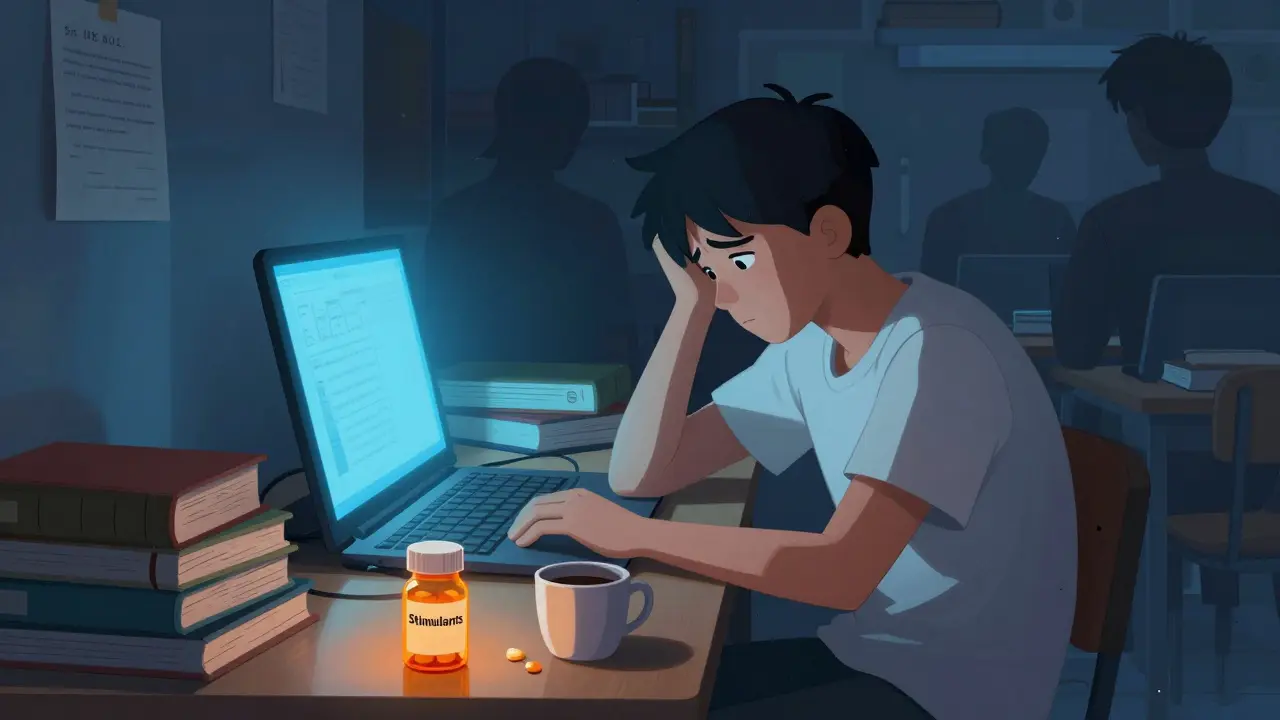
College life is a whirlwind of new freedoms, intense academic pressure, and social experimentation. For many young adults, this transition brings their first experience managing their own health care without parental oversight. While independence is exciting, it comes with serious risks, particularly regarding medication safety. Prescription drug misuse among college-aged students has become a critical public health issue, with stimulants like Adderall being the most frequently misused class of drugs on campus. Understanding how to store, use, and dispose of medications properly isn't just about following rules-it's about protecting your heart, your mind, and your future.
The statistics are startling but often overlooked in the hustle of finals week. Research indicates that nearly one-third of college-aged young adults have misused some type of prescription psychotherapeutic drug at least once in their lifetime. Stimulants account for 75 percent of all reported prescription drug misuse in this demographic. This isn't just a 'party' problem; it's deeply rooted in the culture of academic performance and sleep deprivation. If you are navigating university life, knowing the signs of misuse and having a concrete plan for medication safety can make the difference between a healthy semester and a medical emergency.
Understanding the Scope of Prescription Misuse
To tackle medication safety, we first need to understand what 'misuse' actually looks like in a college setting. It’s not always about getting high. Often, it starts with good intentions or peer pressure. Misuse includes taking someone else’s prescription, taking a higher dose than prescribed, or using a medication for a reason other than what it was intended for-such as using sedatives to cope with anxiety or stimulants to pull an all-nighter.
Data from the Substance Abuse and Mental Health Services Administration (SAMHSA) shows that 13.7 percent of young adults aged 18-25 reported prescription drug misuse in the past year. The landscape varies by drug class:
- Stimulants: These are the biggest concern. Medications used for ADHD, such as Adderall and Ritalin, are shared widely under the guise of 'study aids.' In some surveys, over 9 percent of college students admitted to nonmedical use of Adderall.
- Sedatives and Tranquilizers: Drugs like Xanax or Ambien are sometimes misused to manage stress or sleep issues, carrying risks of dependency and dangerous interactions with alcohol.
- Opioids: While misuse rates for opioids have declined slightly among college students compared to non-students, they remain a significant risk due to their high potential for addiction and overdose.
It is crucial to recognize that full-time college students have higher rates of stimulant misuse than their non-college peers. The environment itself-characterized by erratic sleep schedules and high stakes for GPA-creates a perfect storm for these behaviors.
Why Students Misuse Medications: Beyond Peer Pressure
If you look deeper into why students turn to prescription drugs, the answer is rarely simple rebellion. Dr. Jane Maxwell, a substance abuse researcher, notes that the pressure for academic success is a primary driver. When exams pile up and sleep becomes a luxury, a pill that promises focus seems like a logical solution. However, this logic is flawed and dangerous.
Consider the typical scenario: A student pulls two all-nighters in a row. They are exhausted, anxious, and unable to concentrate. A roommate offers them their leftover Adderall. The student takes it, feels a surge of energy, and passes the exam. This reinforces the behavior. But the body pays a price. Stimulant misuse is linked to heart and blood vessel problems, psychiatric issues, and dependence. Emergency room visits related to stimulant misuse among college-aged young adults increased threefold between 2005 and 2010.
Furthermore, accessibility plays a huge role. Studies show that approximately 60 percent of misused prescription drugs are obtained from peers-friends, roommates, or classmates. This normalization of sharing makes it seem harmless. Remember: Sharing prescription medication is illegal and medically unsafe. Everyone’s body chemistry and medical history are different. What works for your friend could cause a severe adverse reaction in you.
Practical Steps for Safe Medication Management
You don’t need to be a pharmacist to practice good medication safety. Here are actionable steps to keep yourself and your community safe:
- Never Share Prescriptions: Your medication is prescribed specifically for your diagnosis and physiology. Giving it away or taking someone else’s is a violation of federal law and a health risk.
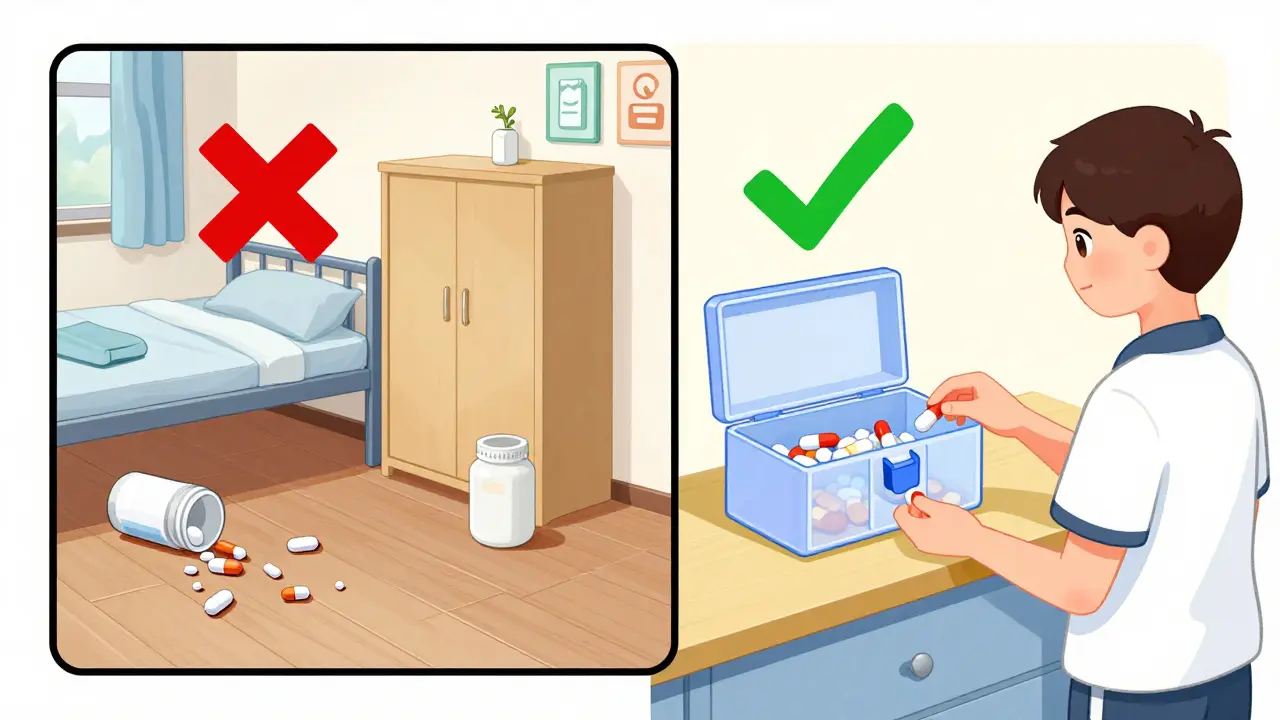
- Secure Storage: Keep medications in a locked container. Dorm rooms are communal spaces, and unsecured pills are easy targets for theft or accidental ingestion by others. The University of Florida’s 'Safe Meds' program demonstrated that providing lock boxes reduced stimulant misuse by 18 percent.
- Proper Disposal: Do not flush medications down the toilet unless instructed to do so, as this harms the water supply. Instead, use designated disposal kiosks if available on campus. If not, mix unused pills with an unappealing substance like dirt or cat litter in a sealed bag before throwing them in the trash. Many colleges now have drop-off bins; find yours early.
- Read the Label: Always check the expiration date and instructions. Taking expired meds can be ineffective or harmful.
Education is your best defense. Student health centers report that brief educational interventions during routine visits increase proper medication disposal practices by 35 percent. Take advantage of these resources. Ask your campus pharmacist or doctor questions about side effects and storage.
Comparing Risks: College vs. Non-College Peers
Understanding how your environment differs from the general population helps contextualize the risks. Data reveals distinct patterns between college students and those not attending school.
| Drug Class | College Students Trend | Non-College Peers Trend | Primary Risk Factor |
|---|---|---|---|
| Stimulants (e.g., Adderall) | Highest misuse rate (3.9% past-year) | Lower misuse rate (2.1% past-year) | Academic pressure, study aid perception |
| Opioids (e.g., Vicodin) | Declining trend (5.4% overall misuse) | Higher misuse rate than students | Pain management, recreational use |
| Sedatives (e.g., Xanax) | Moderate misuse (5.8% past-year) | Higher misuse rate than students | Anxiety, sleep disorders |
This table highlights a key insight: College students are uniquely vulnerable to stimulant misuse, while non-college peers face higher risks with opioids and sedatives. This distinction matters because prevention strategies must be tailored. For students, the conversation needs to focus heavily on academic integrity and the dangers of cognitive enhancement drugs.
Campus Resources and Prevention Programs
You are not alone in this. Universities are increasingly recognizing the severity of the issue. The number of colleges implementing comprehensive medication safety programs grew from 215 in 2015 to over 1,400 in 2023. These initiatives often include:
- Disposal Kiosks: Secure locations where you can drop off unused or expired medications anonymously.
- Peer Education: Programs led by trained student ambassadors who discuss the realities of drug misuse without judgment.
- Academic Support Integration: Initiatives like the University of Michigan’s 'Wolverine Wellness' combine medication safety education with academic coaching. This approach addresses the root cause-stress-and provides healthy alternatives to drug use.
If you feel overwhelmed, reach out. Most campuses have counseling services and health centers that offer confidential consultations. Knowing where to get help before you need it is a hallmark of responsible adulthood.
Legal and Regulatory Changes Impacting Students
The regulatory landscape is shifting to curb misuse. The Drug Enforcement Administration (DEA) has mandated electronic prescriptions for all Schedule II medications (which include most stimulants) in 49 states. This change has reduced prescription forgery incidents on campuses by 31 percent. You will no longer see paper prescriptions for these drugs, which makes it harder to forge or share them illicitly.
Additionally, pharmaceutical companies are investing more in safety. Shire Pharmaceuticals, the maker of Adderall, contributed millions to college health initiatives in recent years. New abuse-deterrent formulations are also being approved by the FDA, showing a 15 percent reduction in misuse compared to standard versions in early trials. These developments signal a broader societal commitment to keeping campuses safer.
Building a Culture of Health, Not Hustle
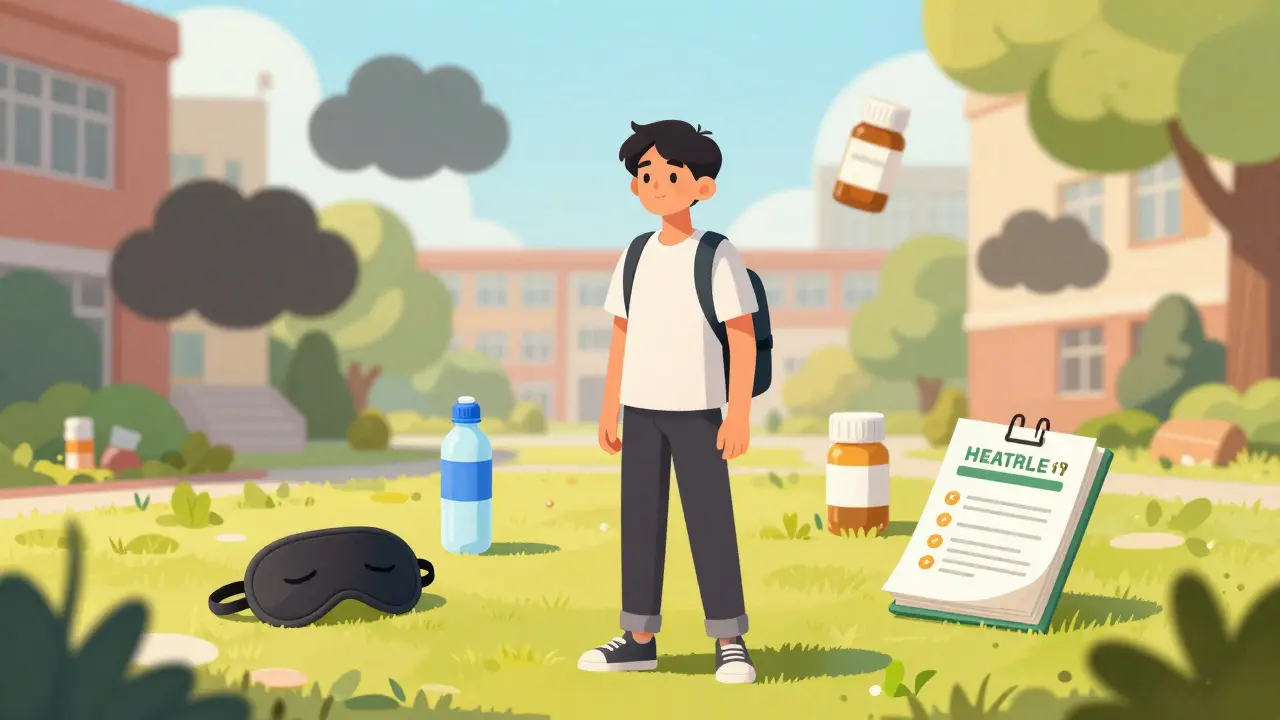
Ultimately, medication safety is part of a larger conversation about well-being. The 'hustle culture' that glorifies sleep deprivation and constant productivity is unsustainable and dangerous. Prioritizing regular sleep schedules, seeking help for mental health challenges, and utilizing campus tutoring services are far more effective-and safer-than popping a pill.
By understanding the risks, securing your medications, and utilizing campus resources, you protect not only yourself but also your friends and roommates. Let’s shift the narrative from 'how can I stay awake?' to 'how can I thrive?' Your health is the foundation of your education. Protect it wisely.
Is it legal to share prescription medication with a friend?
No, it is illegal to share prescription medication in the United States and many other countries. Even if the medication is prescribed to you, giving it to someone else constitutes drug distribution. Additionally, it is medically unsafe because the medication may interact negatively with the other person’s health conditions or other medications they are taking.
What should I do with my leftover medications at the end of the semester?
Do not flush them unless the label specifically instructs you to do so. Look for medication disposal kiosks on your campus, which are common in health centers or pharmacies. If none are available, mix the pills with an unappealing substance like coffee grounds or cat litter, place them in a sealed container, and throw them in the trash. Remove any personal information from the prescription bottle before discarding it.
Why are stimulants like Adderall so commonly misused on college campuses?
Stimulants are often misused as 'study drugs' to enhance focus, alertness, and wakefulness during periods of high academic stress or sleep deprivation. The perception that these drugs provide a competitive academic edge drives their popularity, despite the significant health risks including cardiovascular issues, anxiety, and potential for dependence.
How can I tell if a friend is misusing prescription medication?
Signs of stimulant misuse may include extreme energy followed by crashes, insomnia, decreased appetite, anxiety, irritability, and dilated pupils. Signs of sedative misuse might include slurred speech, confusion, drowsiness, and coordination problems. If you notice these changes, especially alongside academic decline or social withdrawal, consider reaching out to campus health services or a trusted advisor for guidance on how to support your friend.
Are there resources on campus to help with medication safety?
Yes, most colleges now have dedicated medication safety coordinators or programs. Resources typically include disposal kiosks, educational workshops, and confidential counseling services. Check your university’s health center website or ask a campus pharmacist for information on specific programs like 'Safe Meds' or peer-led prevention initiatives available at your institution.