
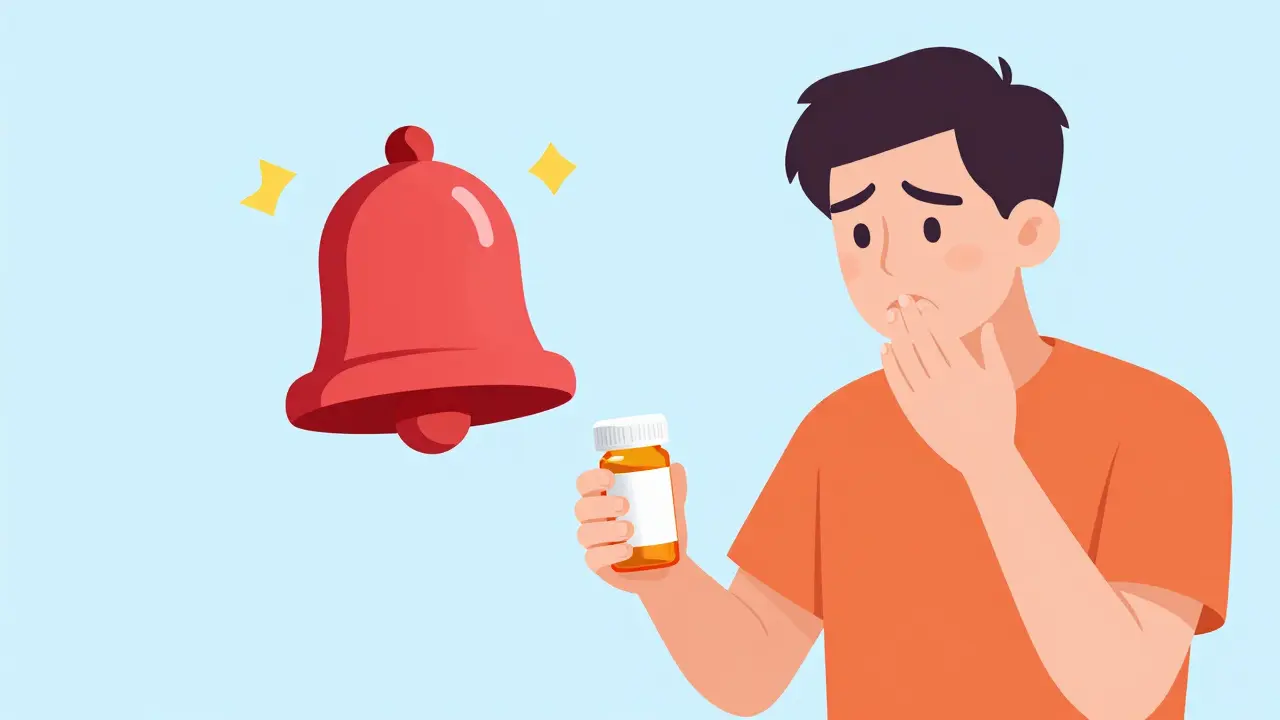
You take a new prescription, and suddenly your skin breaks out in a rash. Or perhaps you experience severe dizziness after switching supplements. These moments are terrifying, but they are also critical data points. Every year, millions of people encounter unexpected reactions to the products they trust. The question is not just whether something went wrong, but who needs to know about it to prevent it from happening to someone else.
This is where MedWatch, formally known as the FDA Safety Information and Adverse Event Reporting Program, comes into play. It is the primary mechanism used by the U.S. Food and Drug Administration (FDA) to track problems with medical products after they have been approved for sale. While clinical trials test drugs on thousands of people, real-world usage involves millions. MedWatch bridges that gap, acting as an early warning system that protects public health by identifying risks that were missed during initial testing.
What Exactly Is MedWatch?
MedWatch was established in 1993 through a collaboration between the FDA and the Institute for Safe Medication Practices (ISMP). Its core mission is straightforward: collect and analyze safety information to identify potential issues associated with FDA-regulated products. This includes serious adverse events, product quality problems, therapeutic failures, and use errors.
The scope of MedWatch is vast. It does not just cover prescription pills. The program monitors:
- Prescription and over-the-counter medicines: Including those administered in hospitals or clinics.
- Biologics: Such as blood components, gene therapies, vaccines, and human cells.
- Medical devices: From pacemakers to in vitro diagnostics like pregnancy tests.
- Dietary supplements: Vitamins, herbs, and protein powders.
- Cosmetics: Though regulations here differ, serious adverse events are tracked.
- Infant formulas: To ensure nutritional safety for vulnerable populations.
By casting such a wide net, the FDA aims to catch signals early. For instance, in 2007, MedWatch reports played a pivotal role in identifying cardiovascular risks associated with the diabetes drug rosiglitazone, leading to significant restrictions on its use. Without these consumer and professional reports, such rare but dangerous side effects might have gone unnoticed for years.
Who Should Report and When?
A common misconception is that only doctors or pharmacists can report side effects. In reality, anyone-patients, consumers, caregivers, or healthcare professionals-can submit a report. However, the forms and expectations differ slightly depending on who is filing.
For Healthcare Professionals: Doctors, nurses, and pharmacists use Form FDA 3500. This form requires detailed clinical information, including patient history, laboratory results, and precise timelines of drug administration. Professionals are often encouraged to report any adverse event that raises a question about the safety of a product, even if the connection isn't certain.
For Consumers and Patients: You do not need to be a medical expert to help. You should use Form FDA 3500B. This simplified form is designed for laypeople and is available in both English and Spanish. You should report if you believe a product caused a serious problem. The FDA defines "serious" events as those resulting in:
- Death
- Hospitalization or prolonged hospital stay
- Disability or permanent damage
- Birth defects
- Life-threatening situations
If you experience mild nausea or a minor headache, you might not need to file a formal MedWatch report unless it persists or worsens significantly. However, if you suspect a product caused a reaction that required emergency care, definitely report it. Remember, you do not need to prove the drug caused the issue; you simply need to report what happened so experts can investigate the link.
How to File a Report Step-by-Step
Filing a report is free and anonymous if you choose to be. The process has become much more user-friendly in recent years, especially with the updated online portal launched in January 2023. Here is how you can contribute to drug safety monitoring:
- Gather Your Information: Before starting, collect your medication bottles, supplement labels, or device manuals. Note down the name of the product, the dosage, when you started taking it, and when the symptoms began. If you have photos of a rash or a defective device, keep them handy.
- Choose Your Method: You can report online via the fda.gov/MedWatch portal, by mail, fax, or phone. The online method is the fastest and most efficient. The portal guides you through each step, reducing errors by nearly 30% compared to older versions.
- Fill Out the Form: For consumers, select the "Consumer/Voluntary Adverse Event Report." Be honest and detailed. Describe exactly what you felt, saw, or experienced. Did you seek medical attention? What was the outcome? Include all other medications or supplements you were taking at the time, as interactions are a major cause of adverse events.
- Submit and Follow Up: Once submitted, you will receive a confirmation. Unlike some government processes, this one is relatively quick, often taking 15 to 20 minutes to complete. Keep a copy of your submission for your records.
If you prefer speaking to a human, you can call the FDA’s toll-free number: 1-800-FDA-1088. Representatives are available to guide you through the process and log your report directly into their system.

The Reality of Underreporting
Here is the hard truth: MedWatch relies heavily on voluntary reporting, which creates a significant blind spot. According to analyses by the Government Accountability Office (GAO) and the Institute of Medicine, only 1% to 10% of actual adverse events are ever reported to the FDA. For consumer-reported events, the rate may be even lower, estimated at 5% to 25% of serious incidents.
Why the gap? Many people assume that if a side effect isn’t listed on the label, it didn’t happen to them, or they blame their own body rather than the medication. Others feel the process is too bureaucratic or worry about privacy concerns. Despite these fears, your identity is protected, and your report is anonymized before being added to the national database.
Manufacturers, on the other hand, are legally required to report serious events within 15 days and non-serious ones within 90 days. This mandatory structure ensures that pharmaceutical companies cannot hide negative data. However, manufacturers often rely on healthcare providers to flag these issues first. If you don’t speak up, your doctor might not know to report it either.
MedWatch vs. Other Systems
| Feature | MedWatch (USA) | EudraVigilance (EU) | Sentinel Initiative (USA) |
|---|---|---|---|
| Type | Passive Surveillance | Passive Surveillance | Active Surveillance |
| Who Reports | Anyone (Voluntary & Mandatory) | Mainly Healthcare Professionals | Electronic Health Records |
| Volume | ~1.4 million reports/year | ~750,000 reports/year | Data from 300M patients |
| Strengths | Captures rare, unexpected events | Standardized across EU nations | Real-time data analysis |
| Weaknesses | High underreporting rates | Limited consumer input | Dependent on EHR quality |
While MedWatch processes more reports annually than Europe’s EudraVigilance system, it faces unique challenges due to its reliance on individual initiative. The FDA acknowledges this limitation, which is why they are increasingly integrating MedWatch data with the Sentinel Initiative. Sentinel actively mines electronic health records from hundreds of millions of patients to detect safety signals automatically. This combination of passive reporting (MedWatch) and active surveillance (Sentinel) represents the future of drug safety, ensuring that no signal slips through the cracks.

Common Pitfalls and How to Avoid Them
When filling out the forms, clarity is key. Vague descriptions like "I felt bad" are difficult for epidemiologists to analyze. Instead, specify: "I experienced severe vomiting two hours after taking 500mg of ibuprofen."
Another common mistake is failing to list all concomitant medications. Drug-drug interactions account for a massive portion of adverse events. If you are taking five different prescriptions and a multivitamin, list them all. The FDA needs the full picture to determine if the culprit was the new drug, an interaction, or an underlying condition.
Finally, do not wait until the situation resolves. If you are hospitalized due to a suspected reaction, report it immediately. Even if you recover fully, the event itself is valuable data. Delayed reporting can lead to incomplete records, making it harder for the FDA to establish a timeline of causality.
The Impact of Your Report
Your contribution matters more than you might think. In fiscal year 2021 alone, MedWatch data contributed to 18 label changes, 7 safety communications, and 3 product withdrawals. These actions directly protect millions of users. A label change might add a warning about driving impairment. A safety communication might alert doctors to stop prescribing a drug to pregnant women. A withdrawal removes a dangerous product from the market entirely.
Furthermore, subscribing to the MedWatch E-list allows you to stay informed. With over 250,000 subscribers, this email service sends alerts about new safety information, recalls, and regulatory updates. It transforms you from a passive recipient of medical advice into an active participant in your own health safety network.
Is it anonymous to report a side effect to MedWatch?
Yes, you can choose to remain anonymous. The FDA encourages reporting even if you do not provide your name. However, providing contact information allows the FDA to follow up if they need more details to clarify the event, which can strengthen the case for a safety investigation.
Can I report a problem with a dietary supplement?
Absolutely. Dietary supplements are regulated by the FDA under the Dietary Supplement Health and Education Act. Serious adverse events related to supplements, such as liver damage or allergic reactions, should be reported using Form FDA 3500B.
How long does it take for the FDA to act on a report?
There is no set timeline for individual reports. The FDA aggregates data from thousands of reports to identify patterns. Some signals trigger immediate action if they indicate a life-threatening risk, while others are monitored over time. The agency reviews trends regularly to update labels or issue warnings.
What if I am not sure the drug caused my side effect?
You do not need to be certain. Causality is determined by the FDA’s epidemiologists based on the totality of evidence. If you suspect a link, report it. The phrase "could be related" is sufficient. It is better to report a false alarm than to miss a genuine safety signal.
Does MedWatch replace talking to my doctor?
No. MedWatch is a regulatory reporting tool, not a medical consultation service. Always consult your healthcare provider for personal medical advice regarding side effects. They can help manage your symptoms and decide if you need to stop or switch medications. Reporting to MedWatch helps protect the broader public.
Are there costs associated with filing a MedWatch report?
No, there are no fees for consumers or healthcare professionals to submit reports. The online portal, mail-in forms, and phone hotline are all free services provided by the federal government to ensure public safety.