

Medication-Induced Angioedema Risk Checker
This tool helps you assess whether your symptoms might indicate medication-induced angioedema. It is NOT a substitute for medical diagnosis. If you experience severe breathing difficulties, seek emergency medical help immediately.
What Is Medication-Induced Angioedema?
Angioedema isn’t just a rash. It’s deep, sudden swelling under the skin or mucous membranes - often in the lips, tongue, throat, or intestines. When it’s caused by medications, it can turn deadly in minutes. Unlike hives that stay on the surface, this swelling happens in the layers beneath, where it can block your airway or cause severe internal pain. It’s not rare. About 30-40% of all drug-induced angioedema cases come from ACE inhibitors, the same drugs millions take daily for high blood pressure.
Why Some Medications Trigger This Reaction
Not all angioedema is the same. There are two main types, and they need completely different treatments. The first is histaminergic, triggered by allergic reactions to drugs like penicillin, aspirin, or NSAIDs. Your body releases histamine, causing swelling, itching, and sometimes hives. The second is bradykinin-mediated, mostly caused by ACE inhibitors like lisinopril or enalapril. These drugs interfere with a natural chemical called bradykinin, which builds up and causes swelling without itching or hives.
Here’s the problem: if you mistake bradykinin-mediated swelling for an allergy, you’ll get the wrong treatment. Antihistamines and steroids won’t help. Epinephrine won’t help. And waiting for it to pass can cost you your life.
Who’s at Highest Risk?
Anyone on an ACE inhibitor can develop angioedema - even after years of safe use. But some groups face much higher risk. African-American patients have up to a 2.2% chance of developing it, compared to under 0.7% in other groups. Women are also more likely than men to be affected. Older adults and those with a history of unexplained facial swelling are at increased risk too.
And it’s not just ACE inhibitors. ARBs like losartan or valsartan carry about a 50% recurrence risk if you’ve had angioedema from an ACE inhibitor. Even aspirin and NSAIDs can trigger the allergic type. If you’ve ever had unexplained lip or tongue swelling after starting a new drug, that’s not just a coincidence. It’s a warning.
Warning Signs You Can’t Ignore
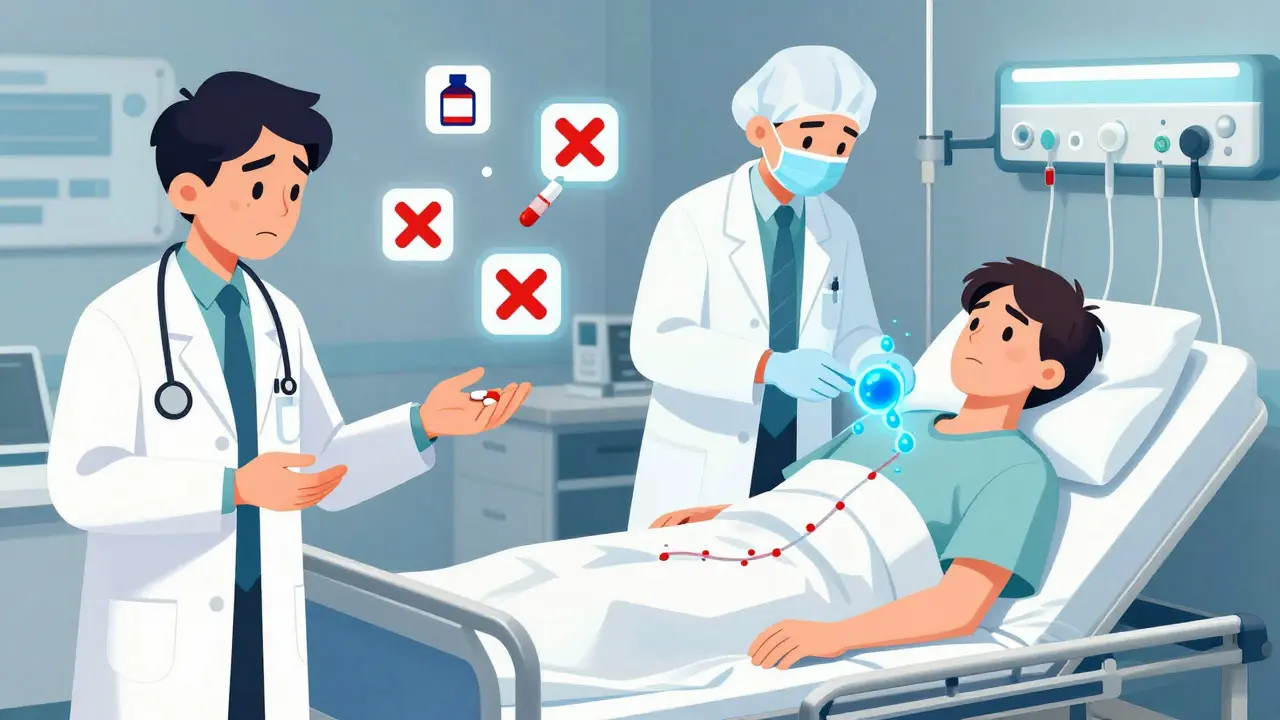
Swelling that comes on fast - within minutes to hours - is the red flag. Look for:
- Rapid swelling of the lips, tongue, or throat
- Difficulty swallowing or speaking
- Changes in your voice - hoarseness or whispering
- Noisy breathing or stridor (a high-pitched sound when you inhale)
- Sudden abdominal pain, nausea, or vomiting (swelling in the gut)
- Fainting or dizziness
These aren’t normal side effects. They’re emergency signals. If your throat is swelling, you might not even realize how bad it is until you can’t breathe. That’s why people often wait too long - they think it’s just a bad cold or allergies.
What Happens If It’s Misdiagnosed
Too often, doctors treat this like an allergic reaction. They give antihistamines. They prescribe steroids. They send you home. But if it’s bradykinin-mediated - and most ACE inhibitor cases are - those drugs do nothing. A 2019 Mayo Clinic study of 1,200 patients found that 68% ended up in the ER because their angioedema wasn’t recognized early. 22% needed intubation to keep their airway open.
One patient on Reddit shared: "My doctor kept telling me it was just allergies for 3 years while I was on lisinopril - lost 2 teeth from tongue swelling before they finally connected the dots." That’s not an outlier. Studies show patients see an average of 2.7 doctors before getting the right diagnosis. And in 15-30% of cases, people are put back on the same drug after a first episode - leading to repeat attacks.
How to Treat It - Correctly
For histaminergic angioedema (allergic type):
- Stop the triggering drug immediately.
- Give epinephrine (0.3-0.5 mg IM) if there’s airway threat or low blood pressure.
- Use antihistamines like diphenhydramine (50 mg IV or oral).
- Administer corticosteroids like methylprednisolone (125 mg IV) or prednisone (30-40 mg daily).
For bradykinin-mediated angioedema (ACE inhibitor type):
- STOP the ACE inhibitor - permanently.
- DO NOT use epinephrine, antihistamines, or steroids - they won’t work.
- Use specific bradykinin blockers: C1 inhibitor concentrate, icatibant, or ecallantide - these are given in hospitals.
- For future prevention, avoid all ACE inhibitors and ARBs.
There’s no home remedy. No over-the-counter fix. If you suspect bradykinin-mediated angioedema, you need emergency care - fast. The window to prevent suffocation is often under 30 minutes.
What You Should Do After an Episode
If you’ve had one episode, you’re at high risk for another. Here’s what to do:
- Get a referral to an allergist or immunologist - not just your primary doctor.
- Ask for testing to confirm the type of angioedema.
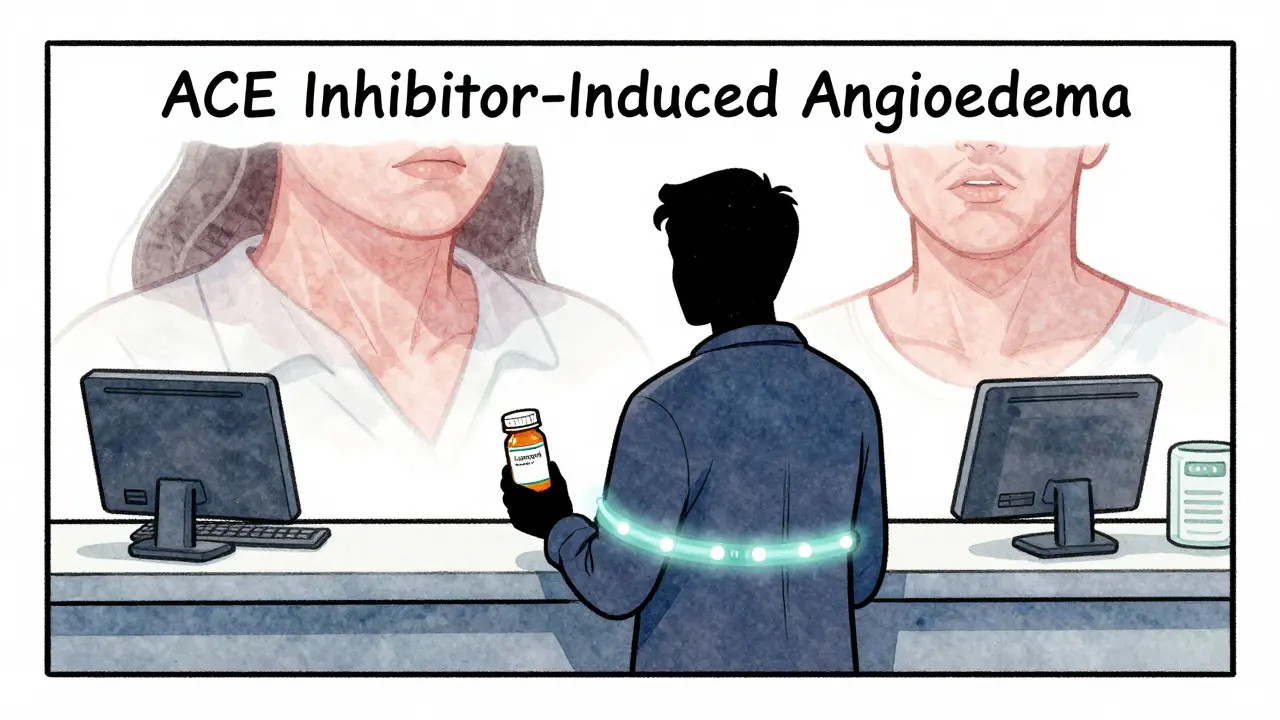
- Carry an emergency card or medical alert bracelet that says: "ACE Inhibitor-Induced Angioedema - Avoid ARBs, Antihistamines Ineffective."
- Keep a list of all medications you’ve taken, including doses and start dates.
- Discuss alternative blood pressure meds with your doctor: calcium channel blockers, diuretics, or beta-blockers are safer options.
And never, ever restart an ACE inhibitor or ARB after a reaction. Even if you were told it was "just once," the risk of recurrence is real - and deadly.
Why This Problem Keeps Growing
There are about 50 million Americans taking ACE inhibitors. The FDA has had black box warnings on these drugs since 1999. Yet, only 45% of primary care physicians correctly identify them as the top cause of drug-induced angioedema. That’s not ignorance - it’s systemic oversight. Medical training still focuses on allergic reactions, not bradykinin pathways.
The global market for angioedema treatments is booming - expected to hit $2.4 billion by 2028 - but most of that money goes to rare hereditary forms. Drug-induced cases get ignored. New drugs like sebetralstat show promise for bradykinin-mediated swelling, but they’re not yet approved for this use. Until doctors learn to spot the difference, people will keep ending up in the ER - or worse.
Final Reality Check
Angioedema from medications isn’t a rare curiosity. It’s a silent killer hiding in plain sight. You might be taking a drug that’s slowly swelling your throat - and no one knows. If you’ve ever had unexplained swelling after starting a new pill, don’t brush it off. Don’t wait for it to happen again. Get tested. Get informed. Tell your doctor you’re worried about ACE inhibitors. Bring this article with you.
Because the difference between life and death here isn’t luck. It’s recognition. And you have the power to recognize it - before it’s too late.