
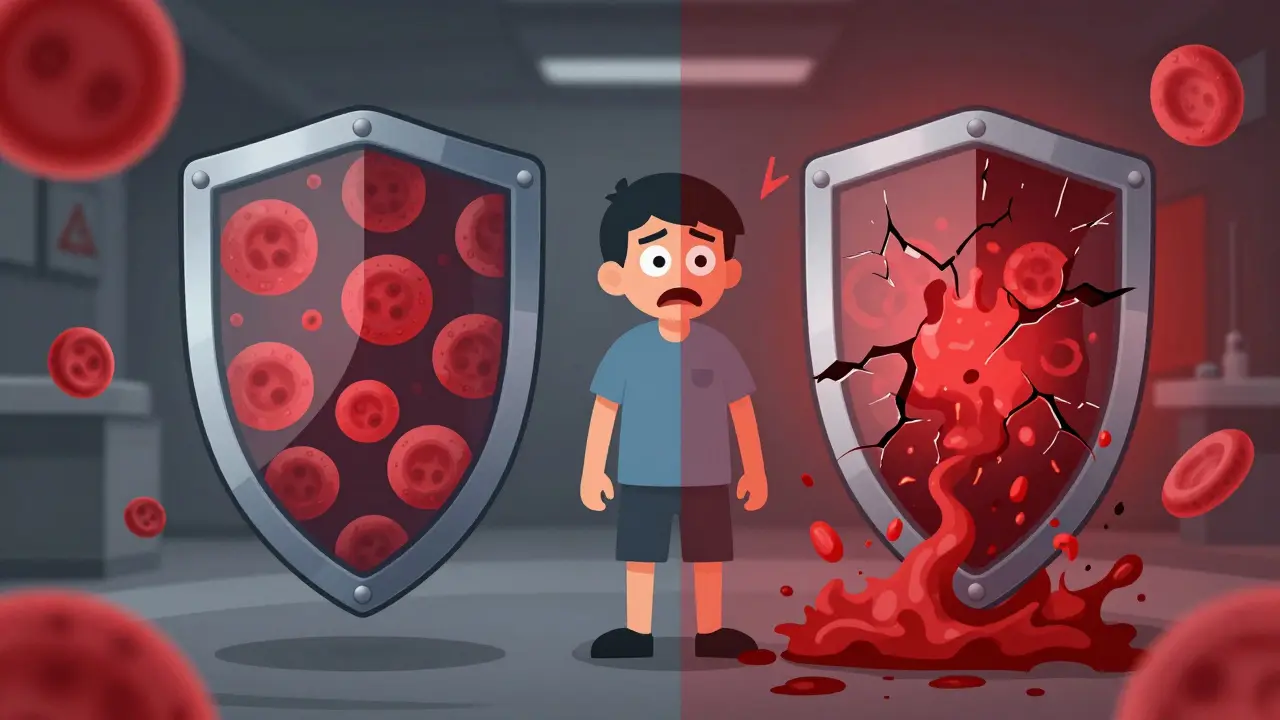
You take a pill to stop a clot from killing you. But if that dose goes wrong, the same medicine can start a bleed that kills you just as fast. It is a terrifying paradox, yet it happens every day. Blood thinners save millions of lives, but an overdose or a dangerous interaction can turn your body into a ticking time bomb. The difference between walking out of the hospital and needing a life-saving transfusion often comes down to recognizing the signs early and acting immediately.
This is not about minor bruising. We are talking about blood thinner overdose, a medical emergency where your blood loses its ability to clot. Whether you are on older drugs like warfarin or newer ones like Eliquis or Xarelto, knowing what to do when things go wrong is critical. This guide breaks down the exact symptoms, the immediate steps to take, and how hospitals treat this crisis so you can protect yourself or a loved one.
Recognizing the Silent Threat: Internal Bleeding Symptoms
The scariest part of a blood thinner overdose is that you might not see blood until it is too late. Internal bleeding does not always leave a mess on the floor; sometimes it hides in your gut, your brain, or your kidneys. You need to know the specific red flags that mean you must call emergency services right now.
Here is what to look for, based on clinical guidelines from the American Heart Association and MedlinePlus:
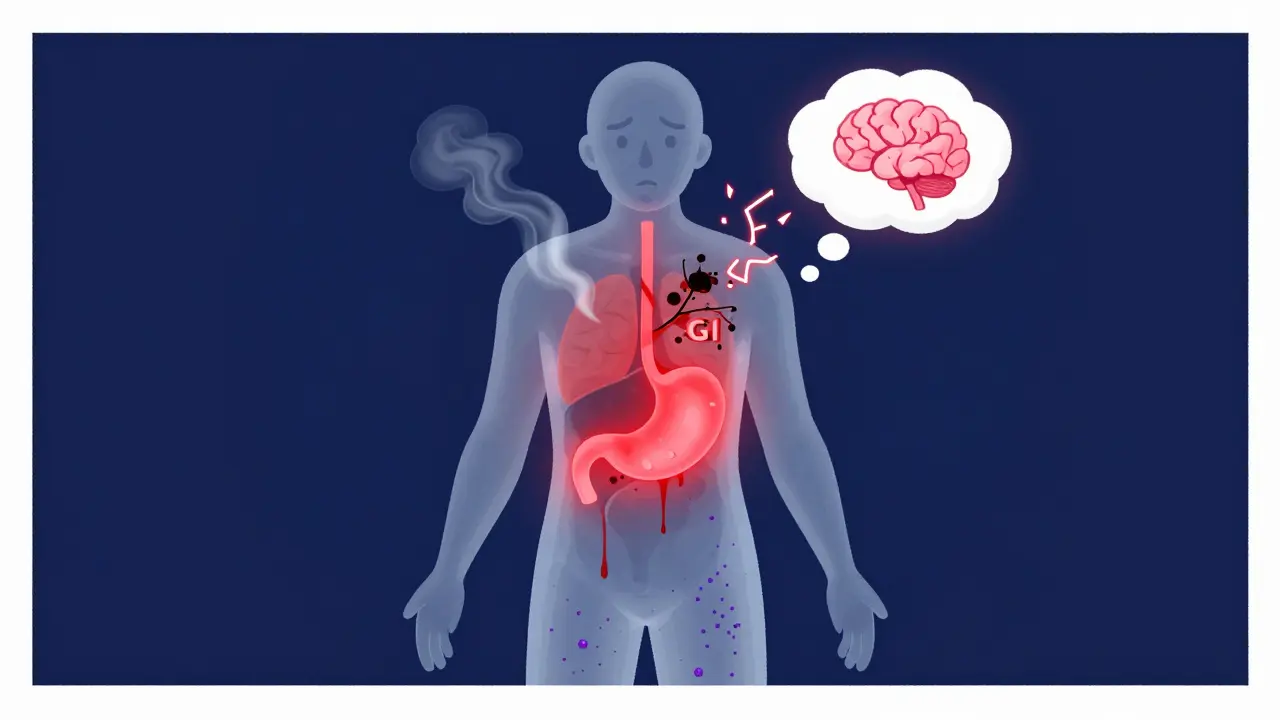
- Gastrointestinal Bleeding: Look for stools that are black, tarry, or sticky (melena). This indicates old blood from the upper digestive tract. Bright red blood in the stool suggests lower GI bleeding. Vomiting material that looks like coffee grounds is another major sign of stomach hemorrhage.
- Urinary Tract Bleeding: Urine that is pink, red, or dark brown (tea-colored) means blood is leaking into your urinary system. Even if it only happens once, it requires immediate attention.
- Neurological Signs: A sudden, severe headache that feels different from any migraine you have had before. Confusion, slurred speech, weakness on one side of the body, or vision changes can signal a brain bleed (intracranial hemorrhage).
- External Clues: Bruises that appear without injury, or bruises that grow larger over hours. Nosebleeds or gum bleeding that does not stop after 10 minutes of firm pressure. Heavy menstrual bleeding that soaks through pads hourly.
- Petechiae: Tiny, flat, round red or purple spots under the skin, often on the lower legs. These are small bleeds from capillaries and indicate your clotting factors are critically low.
If you experience extreme fatigue, dizziness, shortness of breath, or pale skin, your body may already be losing significant blood volume. Do not wait to see if it gets better. Call 911 or your local emergency number immediately.
Why Did This Happen? Understanding the Mechanism
To handle an overdose, you need to understand why it happened. Blood thinners, medically known as anticoagulants, work by interfering with the proteins your liver needs to make clots. When you take too much, or when something interacts with the drug, your clotting system shuts down.
There are two main types of blood thinners, and they fail differently:
- Warfarin (Coumadin): This older drug blocks Vitamin K. Your liver needs Vitamin K to create clotting factors II, VII, IX, and X. Warfarin stops this process. Because these clotting factors live in your blood for days, warfarin has a long half-life (36-42 hours). An overdose doesn't hit you instantly; the risk builds up over 2-5 days. Doctors measure this risk using the INR (International Normalized Ratio). For most people, an INR above 3.0 is toxic. Above 10 is a critical emergency.
- DOACs (Direct Oral Anticoagulants): Newer drugs like apixaban (Eliquis), rivaroxaban (Xarelto), and dabigatran (Pradaxa) block specific clotting factors directly. They act faster and wear off faster than warfarin, but an accidental double dose or mixing them with other meds can still cause rapid bleeding. Unlike warfarin, there is no simple home test to check their levels.
Common causes of overdose include taking an extra pill by mistake, forgetting that a new antibiotic or heartburn medication interacts with your blood thinner, or eating large amounts of green leafy vegetables (for warfarin users) which can destabilize levels, followed by a compensatory dose error.
Immediate Action Plan: What To Do Right Now
Panic slows you down. Follow these steps precisely if you suspect an overdose or active bleeding.
| Action Step | What To Do | What NOT To Do |
|---|---|---|
| 1. Call for Help | Dial 911 or go to the nearest ER immediately if you have severe pain, head injury, or uncontrolled bleeding. | Do not drive yourself. You could pass out or crash. |
| 2. Stop Medication | Do not take your next scheduled dose of the blood thinner. | Do not try to "balance" it by taking less next time without doctor approval. |
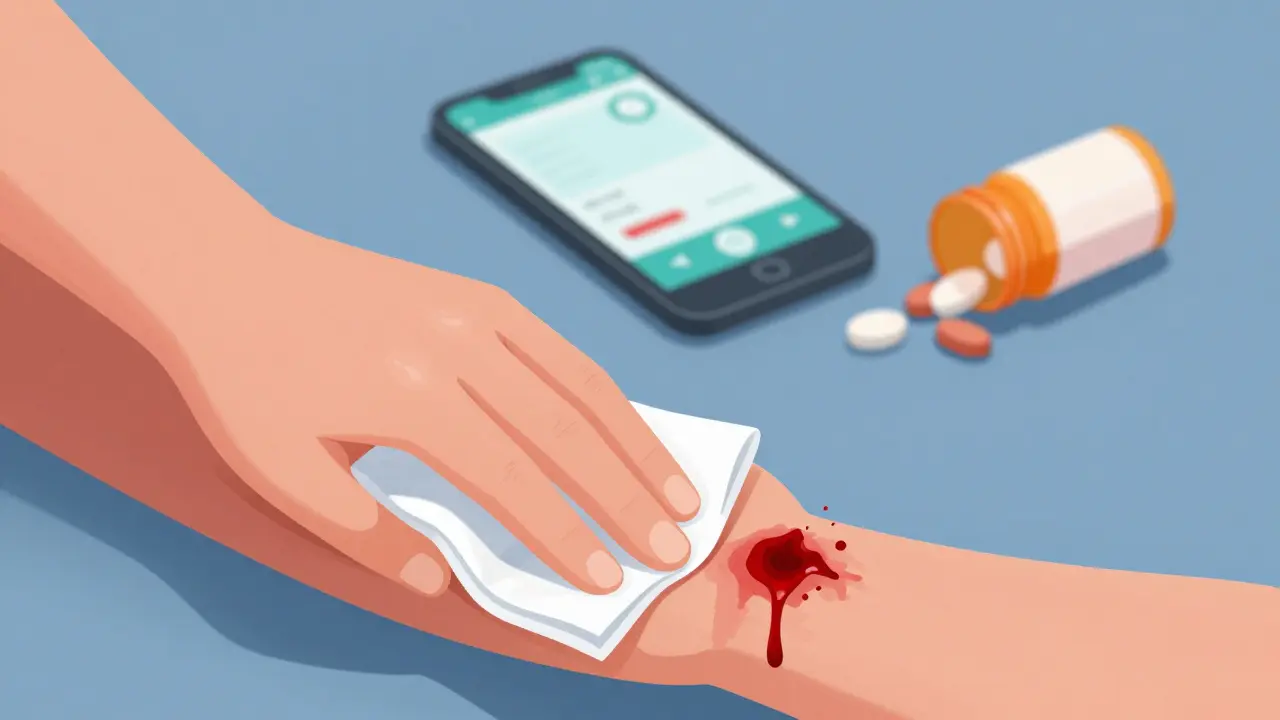
| 3. Control External Bleeding | Apply firm, continuous pressure with a clean cloth for at least 10-15 minutes. Elevate the wound above heart level if possible. | Do not check the wound repeatedly to see if it stopped. This restarts the bleeding. |
| 4. Gather Info | Note the exact time of your last dose, the amount taken, and any other medications or supplements you took recently. | Do not induce vomiting unless instructed by poison control. |
| 5. Avoid Harmful Drugs | Avoid aspirin, ibuprofen (Advil/Motrin), naproxen (Aleve), or alcohol. | Do not take NSAIDs for pain relief; they worsen bleeding. |
If you have swallowed a massive amount of pills within the last hour and are fully alert, poison control might advise activated charcoal. However, do not attempt this without professional guidance, as it can interfere with necessary treatments later.
How Hospitals Treat Blood Thinner Overdose
When you arrive at the emergency room, speed is everything. The medical team will assess your stability and begin reversing the effects of the drug. The treatment depends entirely on which blood thinner you are taking and whether you are actively bleeding.
For Warfarin Overdose:
If your INR is dangerously high but you are not bleeding, doctors may give you oral Vitamin K (phytonadione) to help your liver restart clotting factor production. If you are bleeding, they will bypass the slow process of making new factors. Instead, they administer Prothrombin Complex Concentrate (PCC). PCC contains concentrated clotting factors and works within minutes to stop bleeding. In some cases, Fresh Frozen Plasma (FFP) is used if PCC is unavailable, though it carries higher risks of fluid overload.
For DOAC Overdose (Eliquis, Xarelto, Pradaxa):
Newer antidotes exist for these drugs. For dabigatran (Pradaxa), the reversal agent is idarucizumab (Praxbind). For apixaban and rivaroxaban, the agent is andexanet alfa (Andexxa). These drugs bind to the blood thinner in your bloodstream and neutralize it instantly. While highly effective, they are expensive and reserved for life-threatening situations. If these are not available, doctors may use non-specific agents like tranexamic acid or even dialysis (specifically for dabigatran) to remove the drug from your body.
Prevention: Staying Safe on Long-Term Therapy
Most overdoses are preventable. The CDC reports that hundreds of thousands of Americans visit the ER annually due to anticoagulant issues. Here is how to stay safe:
- Consistency is Key: Take your medication at the same time every day. Use a pill organizer or a smartphone alarm.
- Know Your Interactions: Many common drugs interact with blood thinners. Antibiotics, antifungals, and even some herbal supplements like ginkgo biloba or garlic can increase bleeding risk. Always ask your pharmacist before starting anything new.
- Monitor Regularly: If you are on warfarin, get your INR checked as prescribed. If you are on a DOAC, keep all lab appointments to monitor kidney function, as poor kidney health can cause the drug to build up in your system.
- Carry Identification: Wear a medical alert bracelet or carry a card stating you are on anticoagulants. In an unconscious state, this information saves lives by telling paramedics exactly what is in your system.
- Watch for Falls: Head injuries are a leading cause of fatal bleeds in blood thinner patients. Remove tripping hazards from your home and use handrails.
How long does it take for blood thinner overdose symptoms to appear?
It depends on the drug. For warfarin, symptoms can take 24 to 72 hours to appear because the drug has a long half-life and existing clotting factors must wear off. For newer DOACs like Eliquis or Xarelto, effects peak within 3-4 hours, so symptoms may appear sooner after an accidental double dose.
Can I reverse a blood thinner overdose at home?
No. There is no safe way to reverse a significant overdose at home. While Vitamin K helps warfarin, dosing must be precise to avoid swinging your clotting levels to the opposite extreme (causing clots). Internal bleeding requires hospital monitoring and potentially IV reversal agents like PCC or Andexxa.
What foods should I avoid if I am on blood thinners?
If you are on warfarin, you do not need to avoid Vitamin K-rich foods like spinach or kale, but you must keep your intake consistent. Sudden large increases in Vitamin K can lower your INR, leading to clots, while sudden decreases can raise it, leading to bleeding. On DOACs, food interactions are fewer, but grapefruit juice can affect certain medications, so check with your doctor.
Is it safe to take aspirin with blood thinners?
Generally, no. Aspirin is an antiplatelet agent that also thins the blood. Taking it with anticoagulants significantly increases the risk of gastrointestinal and intracranial bleeding. Only take aspirin if explicitly prescribed by your cardiologist alongside your blood thinner.
What is the survival rate for internal bleeding from blood thinners?
Survival rates depend heavily on how quickly treatment is received. Studies show that patients who seek care within 2 hours of symptom onset have survival rates above 95% for many bleeding events. Delays beyond 12 hours significantly increase mortality, especially for brain bleeds.

The pharmacokinetics of warfarin are often misunderstood by the layperson, leading to catastrophic errors in self-management. It is imperative to note that the half-life of approximately 40 hours means that an overdose does not manifest immediately, creating a false sense of security during the first 24-48 hours. The International Normalized Ratio (INR) is the only reliable metric for monitoring coagulation status in patients on vitamin K antagonists. Furthermore, the interaction between warfarin and cytochrome P450 enzymes, particularly CYP2C9, is a critical factor that many patients ignore when introducing new medications or supplements into their regimen. This biochemical complexity necessitates rigorous adherence to prescribed dosing schedules and regular laboratory surveillance.
I completely agree with the emphasis on consistency. My husband has been on Eliquis for three years now and we use a digital pill dispenser that locks until it is time to take the dose. It has saved us from accidental double doses twice already. The peace of mind is worth every penny. We also keep a binder with all his medical records and current medication list in our car glove box just in case something happens while we are traveling. It is better to be over-prepared than under-prepared when dealing with these types of medications.
This is very helpful information for everyone here. Please remember that you do not have to face this alone if you are worried about your meds. Talk to your doctor or pharmacist. They are there to help you stay safe. Small steps like setting a phone alarm can make a big difference in your health. You are doing a great job by learning more about this topic. Keep up the good work and look out for each other in this community.
Oh my gosh, this is terrifying!! 😱 I cannot believe people are walking around taking these drugs without knowing they could bleed out internally! It is absolutely insane how negligent the pharmaceutical industry is. They should be held accountable for every single death caused by these 'miracle' pills. Everyone needs to wake up and realize that big pharma doesn't care about you, they only care about their profits! Don't let them poison you! 🚫💊
While the article presents a somewhat coherent overview of the symptoms associated with anticoagulant toxicity, it fails to adequately address the nuanced differences in presentation between gastrointestinal hemorrhage and intracranial bleeding, which are distinctly different clinical entities requiring divergent immediate interventions; furthermore, the suggestion that one might simply 'apply pressure' to external wounds overlooks the systemic nature of the coagulopathy, thereby potentially misleading readers into believing that local hemostasis is sufficient when, in fact, systemic reversal agents are almost invariably required in cases of significant overdose or active internal bleeding, thus rendering the advice somewhat dangerously simplistic for those who may rely on it exclusively in a crisis situation.
It is profoundly disturbing to observe the casual manner in which individuals discuss life-threatening medical emergencies as if they were minor inconveniences. The gravity of internal hemorrhage cannot be overstated, nor should it be trivialized through colloquial language or emotional outbursts. One must approach this subject with the utmost seriousness and respect for the fragility of human physiology. To suggest otherwise is not only medically irresponsible but morally reprehensible. Let us maintain decorum and acknowledge the severe consequences of anticoagulant mismanagement.
most of this is common sense really. if you feel bad go to the hospital. dont drive yourself. stop taking the pills. its not rocket science why do people need such long articles to tell them what to do when they mess up their meds. just be careful and read the label. simple as that.
I am so sorry to hear that anyone is going through this scary experience!! 💔 It is truly heartbreaking to think about how vulnerable we can feel when our own bodies turn against us due to medication errors. Please know that you are not alone in this struggle, and there is always hope for recovery and better management strategies. Sending you lots of love and positive thoughts during this difficult time!! 🙏✨ Stay strong and keep fighting!
They want us to be sick so they can sell us more drugs! 🤢 These blood thinners are part of a grand conspiracy to control the population and weaken our immune systems naturally. Do your own research and don't trust the mainstream media or doctors who are paid off by Big Pharma. Natural remedies like garlic and ginger are much safer and actually work without killing you slowly. Wake up sheeple! 🐑🚫
You are clearly ignoring the statistical probability of adverse events versus the benefit of stroke prevention in atrial fibrillation. Your anecdotal fear-mongering is irrelevant to the clinical data. If you are not familiar with the CHA2DS2-VASc score, perhaps you should refrain from offering unsolicited medical opinions that contradict established cardiology guidelines. It is evident that you lack a fundamental understanding of risk-benefit analysis in chronic disease management.
Great points everyone! As a healthcare professional, I appreciate the detailed discussion on DOACs vs Warfarin. The advent of specific reversal agents like Andexxa has certainly changed the emergency protocol landscape significantly. However, patient education remains the cornerstone of safety. Utilizing teach-back methods with patients ensures they understand not just the 'what' but the 'why' behind their medication regimen. Collaboration between pharmacists, physicians, and patients is key to mitigating these risks effectively.
Your ignorance is staggering. You fail to recognize that the therapeutic index of warfarin is notoriously narrow, requiring precise INR monitoring. To dismiss the complexity of anticoagulation therapy as 'common sense' demonstrates a profound lack of medical literacy. The interactions with CYP450 enzymes and vitamin K intake are not trivial matters but critical determinants of patient survival. Educate yourself before posting such reductive and dangerous misinformation.