
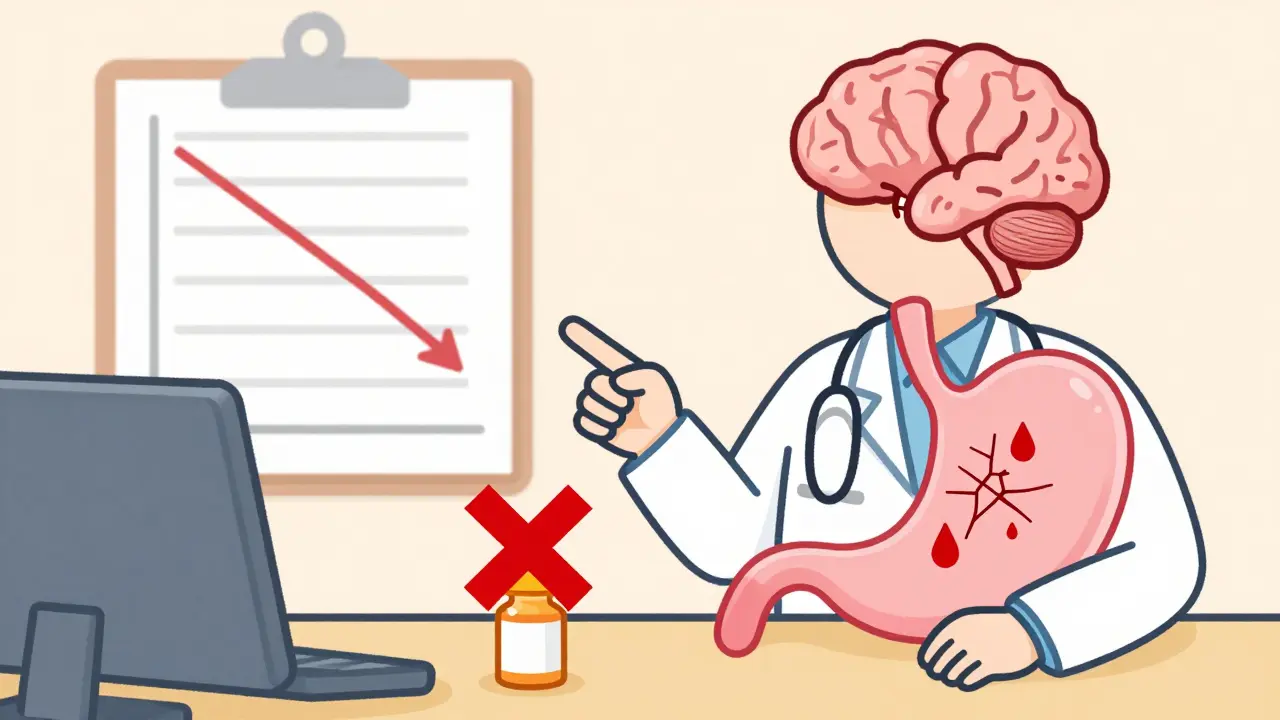
For years, doctors recommended daily aspirin for primary prevention to prevent heart attacks and strokes. But that advice has changed dramatically. New research shows that for many people, the risks of taking aspirin-like serious bleeding-outweigh the benefits. So who should skip daily doses? Let’s break it down.
What Is Primary Prevention With Aspirin?
Aspirin a low-dose medication used for primary prevention of cardiovascular events for primary prevention means taking it when you don’t have heart disease yet. It’s different from secondary prevention, which is for people who already had a heart attack or stroke. The idea was that aspirin could stop the first event. But studies now show this only helps a small group. Most people don’t get enough benefit to justify the risks. For example, the U.S. Preventive Services Task Force an independent panel of experts that reviews medical evidence (USPSTF) found that for every 1,000 people taking aspirin daily, only about 0.9 fewer heart attacks happen. Meanwhile, there are 1.6 more major bleeding events. That’s more harm than good for many.
Why Guidelines Changed
Back in the 1990s, aspirin was widely recommended. But recent data flipped that. The USPSTF updated its guidelines in September 2022. Before that, they’d suggested aspirin for adults 50-59 with high heart disease risk. Now? They say USPSTF an independent panel of experts that reviews medical evidence recommends against starting aspirin for primary prevention in adults 60+. Why? Because bleeding risks grow with age. For people over 60, the risk of major bleeding (like stomach or brain bleeds) is higher than the chance of preventing a heart attack. The American Heart Association a leading organization for cardiovascular health (AHA) and American College of Cardiology a professional society for heart health professionals (ACC) also tightened their rules. They now say aspirin should only be considered for a tiny group-like those with very high heart disease risk and no bleeding risk. But even then, it’s not routine.
Who Should Skip Daily Aspirin?
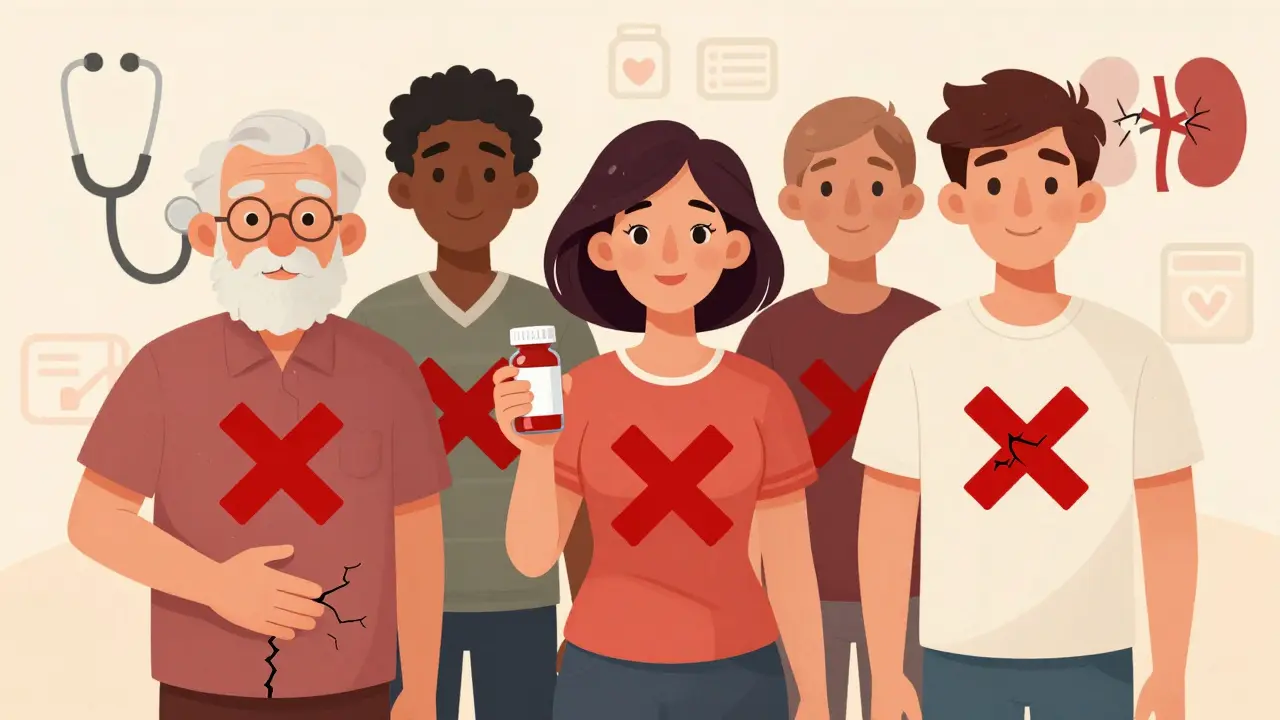
Most people don’t need daily aspirin. Here’s who definitely should skip it:
- Adults 60 and older-The USPSTF says USPSTF an independent panel of experts that reviews medical evidence recommends against starting aspirin for primary prevention in this group. Bleeding risks outweigh benefits.
- People with a history of stomach ulcers-About 4% of U.S. adults have had ulcers. Aspirin can trigger dangerous bleeding in these cases.
- Those on blood thinners or NSAIDs-18.3% of adults 65+ take blood thinners like warfarin or NSAIDs like ibuprofen. Combining these with aspirin skyrockets bleeding risk.
- People with kidney disease-Kidneys help control bleeding. If they’re damaged, aspirin can make things worse.
- Anyone with uncontrolled high blood pressure-High pressure increases the chance of brain bleeds when taking aspirin.
Even if you’re younger than 60, skip aspirin if you have other bleeding risks. For example, if you’ve had a recent nosebleed or take supplements like fish oil or ginkgo biloba.
The Real Risks of Unnecessary Aspirin
Aspirin isn’t harmless. It thins your blood to prevent clots. But that same effect can cause dangerous bleeding. Here’s what happens:
- Gastrointestinal bleeding-Aspirin increases this risk by 43%. Stomach ulcers can develop silently. Symptoms? Black stools, vomiting blood, or severe abdominal pain.
- Intracranial hemorrhage-Brain bleeds rise by 38%. This is often fatal. Older adults are especially vulnerable.
- Number needed to harm-For every 267 people taking aspirin for 10 years, one will have a major bleeding event. The number needed to treat (to prevent one heart attack) is 265. So, more people are harmed than helped.
These risks aren’t theoretical. A Mayo Clinic survey found 68% of adults 65+ on aspirin reported stomach issues. Over 22% stopped taking it because of pain or heartburn.
How to Assess Your Personal Risk
Doctors use tools to calculate your heart disease risk. The most common is the Pooled Cohort Equations a risk calculator for cardiovascular disease. It estimates your 10-year risk based on age, blood pressure, cholesterol, and smoking status. If your risk is below 10%, aspirin usually isn’t recommended. For higher risk, they check bleeding risk with tools like the HAS-BLED Score a tool to assess bleeding risk. This looks at things like high blood pressure, kidney disease, or past bleeding. But here’s the problem: most primary care visits don’t use these tools properly. A 2023 study found clinicians take an average of 7.2 minutes per patient to assess aspirin eligibility. Many skip it due to time constraints.
Some newer tools exist. The PREVENT equations a refined risk assessment tool (from JAMA Internal Medicine, 2023) use blood tests and imaging for more accuracy. For example, a high coronary artery calcium (CAC) score might mean aspirin could help. But this isn’t standard yet.

What to Do If You’re Currently Taking Aspirin
Don’t stop cold turkey. If you’ve been on aspirin for years, talk to your doctor first. They’ll check your current risk level. For example:
- If you’re over 60 with no heart disease, your doctor likely recommends stopping.
- If you have a high CAC score (like over 100), they might keep you on it. A 2024 Reddit user wrote: "My cardiologist insisted I continue aspirin despite new guidelines because my calcium score puts me at high risk."
- If you have diabetes, the 2025 AHA/ACC guideline says aspirin may be considered for ages 40-70 with 10-year ASCVD risk ≥15% and no bleeding risk.
Many patients worry about stopping. A Mayo Clinic survey found 41% of adults 60+ continued aspirin despite guidelines due to "fear of stopping something that might be protecting me." But the data is clear: for most, the risks now exceed benefits.
Why Doctors Give Conflicting Advice
There’s real disagreement among experts. Dr. John Bhatt, USPSTF Vice Chair, says: "The evidence is clear that the potential harms of aspirin use for primary prevention in adults 60 and older now outweigh the potential benefits." But Dr. Maciej Banach of the Polish Lipid Association argues: "In primary-prevention patients with additional risk factors, like elevated Lp(a) or CAC score >100, aspirin should be considered." This confusion trickles down to patients. A 2023 JAMA study found 57% of patients reported "doctors giving conflicting advice." Primary care doctors are more likely to stop aspirin than cardiologists. This shows why personalized care matters-no one-size-fits-all rule applies.
What’s Next for Aspirin Guidelines?
Research continues. The NHLBI is funding the ASPRIN trial (NCT05126860), enrolling 15,000 adults with high calcium scores. Results won’t come until 2028. Meanwhile, some experts predict genetic testing will guide aspirin use. Dr. Joseph Loscalzo of Brigham and Women’s Hospital said in Nature Medicine (2024): "Within 5 years, genetic testing for aspirin response variability will become standard before initiating therapy." For now, stick to current guidelines. If you’re unsure, ask your doctor to walk you through your personal risk numbers.
Should I stop taking aspirin if I’m over 60?
For most people over 60 with no history of heart disease, yes. The USPSTF recommends against starting aspirin for primary prevention in this group. Bleeding risks outweigh benefits. If you’ve been taking it for years, don’t stop on your own-talk to your doctor first. They’ll check if you’re in a small group where benefits still outweigh risks.
What if I have a high calcium score (CAC)?
A high coronary artery calcium score (like over 100) might mean aspirin could help. This score shows plaque buildup in your arteries. Studies suggest people with high CAC scores get more benefit from aspirin. But it’s not automatic. Your doctor will weigh this against bleeding risk. For example, if you have a CAC score of 350 but also a history of stomach ulcers, they might skip aspirin. Always discuss your specific numbers with your care team.
Can I take aspirin if I have diabetes?
The 2025 AHA/ACC guideline says low-dose aspirin (75-100 mg daily) may be considered for adults with diabetes aged 40-70 who have a 10-year ASCVD risk ≥15% and no increased bleeding risk. But it’s not a blanket recommendation. For example, a March 2024 meta-analysis found aspirin reduced CVD events by 19% in diabetics with high Lp(a) levels, but showed no benefit in those with normal Lp(a). Your doctor will use your specific risk factors to decide.
What are the signs of aspirin-related bleeding?
Watch for these red flags: black or tarry stools, vomiting blood (or coffee-ground material), unexplained bruising, nosebleeds that won’t stop, or sudden severe headaches (which could signal a brain bleed). If you notice any of these, seek medical help immediately. Don’t wait. Bleeding can escalate quickly, especially in older adults or those on other blood-thinning medications.
Is there a test to see if aspirin will work for me?
Not yet for routine use. Some research focuses on genetic testing for aspirin response variability. But this isn’t standard practice. Doctors currently rely on risk calculators like the Pooled Cohort Equations and HAS-BLED Score. Future guidelines might include genetic tests, but for now, personalized care means discussing your full health history with your doctor-no single test tells the whole story.

Ugh, another 'aspirin is bad' article. People should just stop being lazy and follow real science. The USPSTF is full of quacks who don't understand real medicine. If you have a 10% risk, aspirin is a no-brainer. Those bleeding risks? Overstated. I've been taking it for 20 years and I'm fine. Stop the fearmongering.
But honestly, the studies show that for every 1,000 people taking aspirin, only 0.9 fewer heart attacks happen while 1.6 more bleeding events. That's a net loss. So yeah, it's not as simple as 'just take it'.
Also, the American Heart Association has tightened their guidelines. They say aspirin should only be considered for a tiny group with very high risk and no bleeding risk. But even then, it's not routine. So please, doctors, stop pushing it on everyone.
aspirin for primary prevention? 🤔 maybe but i think its more about individual risk. no need to panic but also dont ignore it. 🌈
lol i agree with the 'stop fearmongering' part but also doctors are confusing everyone. one day its good next day its bad. just give me a straight answer. 😒
America has the best medical research. We know aspirin is safe for most. Other countries overreact. Trust the science, not the fear.
The USPSTF guidelines are flawed. They ignore the benefits of aspirin in preventing heart attacks. We need to prioritize national health over bleeding risks which are often exaggerated. This is why American medicine is superior.
Aspirin is just another Big Pharma scheme. They want you to take it so they can profit from the bleeding complications. The real reason guidelines changed is to push expensive new drugs. Check the funding sources!
Big Pharma is definitely involved but the bleeding risks are real. I took aspirin and got a stomach ulcer. Doctors ignored my symptoms for months. This isn't conspiracy, it's real harm. 😔
In my country, we've been using aspirin for decades. But here's the thing: cultural context matters. In places with high rates of stomach ulcers, maybe avoid it. But in others, it's different. Need to look at local data.
Yeah cultural context is key. In India where I'm from, people have higher rates of stomach issues so aspirin is risky. But in places with better healthcare access maybe not. Also, CAC scores are more accurate than just age. If your calcium score is high, aspirin might help. But if you're over 60 with no heart issues, skip it. #justsayin
If you're unsure about aspirin, talk to your doctor. They can run tests to see your risk. It's better to be safe than sorry. Don't stop cold turkey though.
yes exactly. always consult a professional. aspirin isn't for everyone but knowing your risk factors is crucial. if you have diabetes and high cholesterol maybe it helps but if you have stomach issues better not. always check with your doctor first