
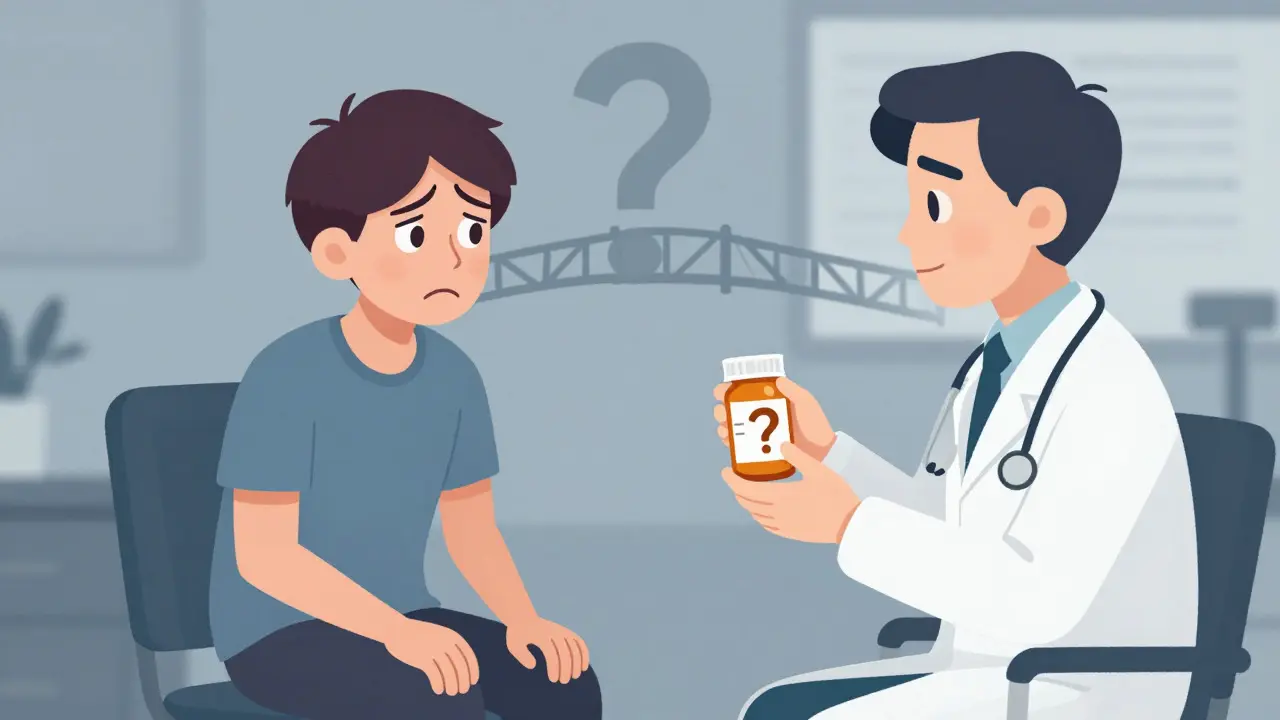
Imagine being told your life-saving medication is changing. You’ve been on the same drug for years, it works, and you know exactly what to expect. Then, your doctor or pharmacist says, “We’re switching you to a new version.” It sounds cheaper, but does it work the same? Is it safe? This is the exact moment many patients face when introduced to biosimilars, which arebiologic medical products highly similar to an already approved reference biologic product with no clinically meaningful differences in safety, purity, and potency. Despite rigorous testing, hesitation remains high. In fact, adoption rates for medications with available biosimilars often sit below 10%, according to recent data from Segal Consulting (January 2025). Why do we trust generic ibuprofen instantly but hesitate over a biosimilar version of our arthritis drug?
What Exactly Are Biosimilars?
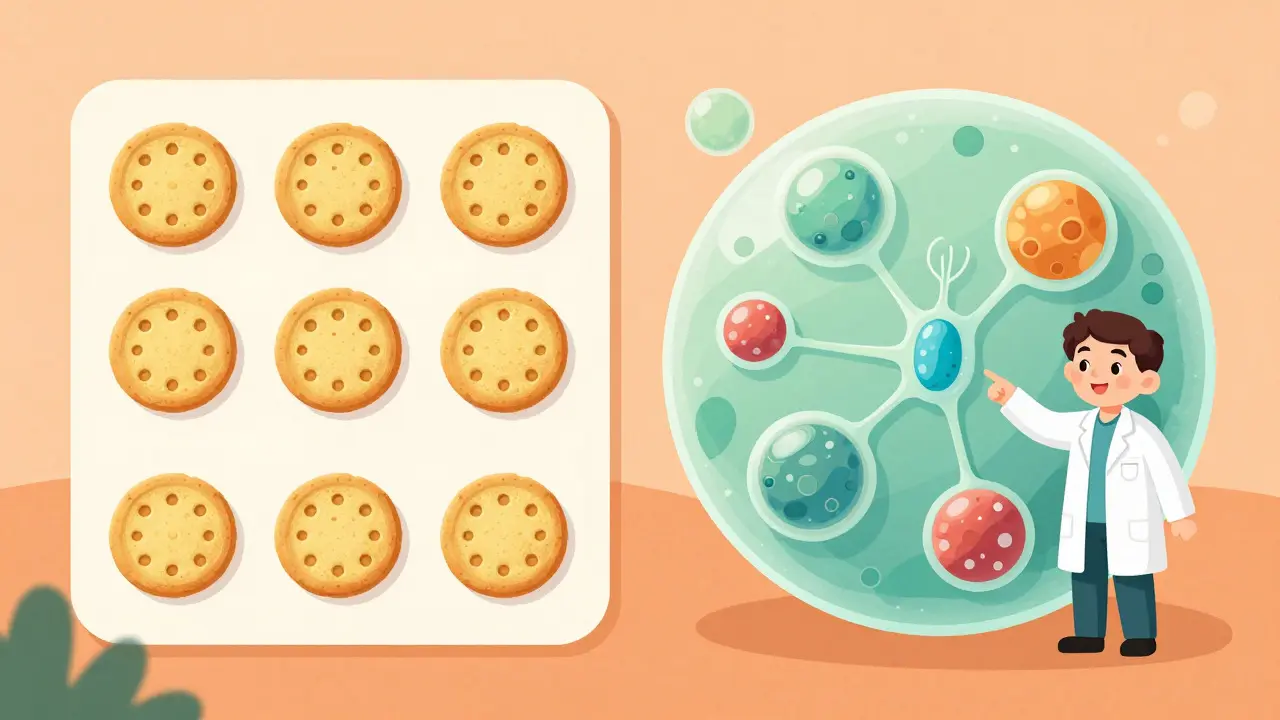
To understand the hesitation, we first need to clear up a common confusion: biosimilars are not generics. They sound similar, but they are fundamentally different. A traditional generic drug is chemically identical to its brand-name counterpart. Think of it like copying a simple recipe for cookies; if you follow the measurements exactly, the result is indistinguishable.
Biosimilars, however, are made from living organisms-like yeast or bacteria cells. Because living things vary slightly from batch to batch, creating an exact copy is impossible. Instead, regulators require that a biosimilar be "highly similar" to the original reference biologic, with no clinically meaningful differences in safety, purity, or potency. The Biologics Price Competition and Innovation Act (BPCIA) of2009 established the regulatory pathway for biosimilars in the United States created this framework. The FDA approved the first biosimilar, Zarxio, in March 2015. By April 2025, there were 74 FDA-approved biosimilars, showing significant growth, yet the gap between availability and usage remains wide.
| Feature | Generic Drugs | Biosimilars |
|---|---|---|
| Source | Chemical synthesis | Living organisms (cells) |
| Similarity | Identical molecular structure | Highly similar, minor variations allowed |
| Approval Time | 3-4 years | 8-10 years |
| Development Cost | $2-3 million | $100-250 million |
| Market Share Adoption | ~90% within one year | <10% generally |
The Root of Patient Hesitation
Why do patients say no? The fear isn’t unfounded; it’s rooted in a lack of information and past negative experiences. A 2025 study in the Journal of Managed Care & Specialty Pharmacy found that 79% of patients expressed concerns about biosimilar efficacy, while 63% worried about side effects differing from the reference product. These aren’t just abstract worries; they affect real lives.
Consider the experience shared by user 'ChronicPainPatient87' on Reddit’s r/Pharmacy community in March 2025: “My doctor switched me to a biosimilar for Humira without telling me, and I had a flare-up. Now I'm terrified to switch medications again even if it's cheaper.” This story highlights two critical issues: communication breakdowns and the nocebo effect-the phenomenon where negative expectations cause negative outcomes. When patients feel blindsided by a switch, trust erodes. Evernorth Research Institute’s 2025 survey revealed that only 31% of patients with chronic conditions are even aware of biosimilars, compared to 64% of healthcare professionals. That knowledge gap is massive.
Do Biosimilars Actually Save Money?
One of the main arguments for biosimilars is cost savings. On paper, the numbers look great. NIS Benefits (2025) estimates that biosimilars have generated $56 billion in savings over the past decade. Segal Consulting (2025) notes that biosimilars can offer approximately 35% savings over originator products when covered under medical benefits. For some drugs, like pegfilgrastim, biosimilars led to 47-59% lower out-of-pocket costs for patients in the first treatment cycle, according to Drug Patent Watch (2025).
But here’s the catch: system-wide savings don’t always translate to individual patient savings. A cohort study examining seven clinician-administered biologics found that annual out-of-pocket spending did not decrease after biosimilar competition began. Costs remained similar for both biosimilars and reference biologics. For infliximab, early biosimilar competition was not linked to lower patient costs. This disconnect frustrates patients who are asked to take a perceived risk for a benefit they don’t directly see. If the pharmacy bill looks the same, why change?
Bridging the Knowledge Gap
Education is the most powerful tool we have to reduce hesitation. The Center for Biosimilars (2025) reported that only 48.5% to 62.0% of consumers accurately understood core characteristics like comparable safety and efficacy. Dr. Sarah Smith, Chief Medical Officer at the Center for Biosimilars, emphasized that “further education is warranted around these products, and communications for both groups required careful testing to ensure that the information was understood and did not result in a negative perception.”
How can we improve this? First, simplify the language. Avoid jargon like “interchangeability” or “analytical similarity” without explanation. Instead, focus on outcomes. Explain that biosimilars undergo rigorous testing, including analytical studies, animal studies, and clinical trials, to prove they work just as well as the original. The FDA’s draft guidance issued in 2024 aims to streamline approval by emphasizing analytical assessments over comparative efficacy studies, which could lower development costs and time. However, this doesn’t mean less scrutiny-it means smarter scrutiny based on deep scientific understanding.
Healthcare providers play a crucial role. Medical Economics (2025) identified provider hesitancy as a key barrier, citing familiarity issues and administrative burdens. When doctors are unsure, patients pick up on that uncertainty. Training programs and Clinical Trial Educator services, as suggested by IQVIA (2025), can support patient education campaigns, leading to increased site engagement and patient recruitment.
Building Trust Through Transparency
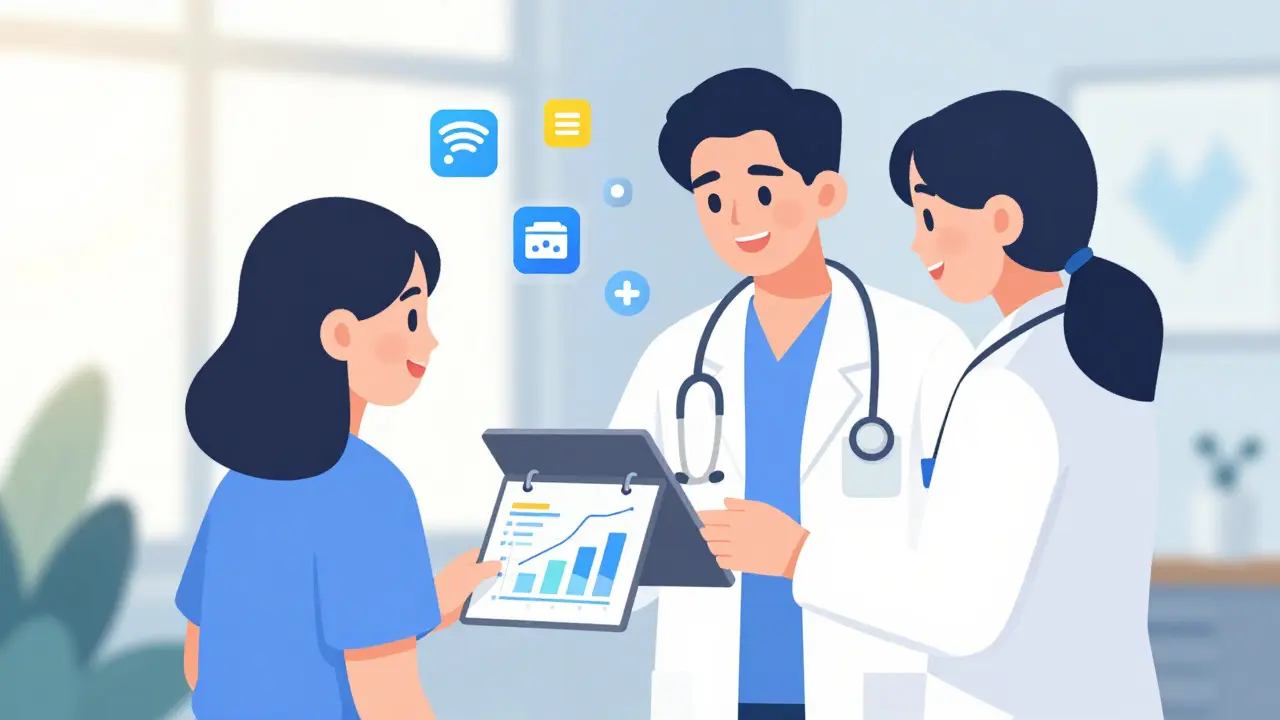
Trust is built through transparency and involvement. Patients want to be part of the decision-making process. Instead of surprising them with a switch, discuss the option openly. Explain the potential benefits, including cost savings and access, and address their specific concerns. Track disease-specific biomarkers, such as drug levels and anti-drug antibody levels, to provide real-world evidence that the biosimilar is working effectively. This data-driven approach helps minimize the nocebo effect and reassures patients that their health is being monitored closely.
Real-world evidence is accumulating. After CVS excluded Humira from most commercial formularies in April 2024, there was a 2.3 percentage point decrease in the median allowed cost of all biologic drugs through August 2024. While patient satisfaction scores decreased by 15% initially, this dip reflects the transition period rather than long-term failure. As more patients gain experience with biosimilars, confidence grows. Dr. Lisa Chen, Director of the Evernorth Research Institute, predicts that “as real-world evidence accumulates demonstrating equivalent outcomes with biosimilars, patient and provider confidence will grow, leading to adoption rates exceeding 50% by 2030.”
The Future of Biosimilar Adoption
The landscape is shifting. The FDA projects that between 2025 and 2034, approximately 118 biologic molecules representing nearly $232 billion in combined US sales will lose exclusivity. This creates a huge opportunity for biosimilars to fill the gap. Segal Consulting (2025) reports that biosimilar adoption increased significantly in Q2 2024 due to changes in pharmacy benefit manager practices, with major players like CVS, ESI, and OptumRx taking action. The IQVIA Institute forecasts that biosimilars could generate $300 billion in savings between 2025-2030 if adoption barriers are addressed.
However, challenges remain. Pharmaceutical manufacturers continue to employ “pay-for-delay” strategies, delaying biosimilar entry by an average of 18 months, according to HHS data. Policy reforms addressing PBM influence, increased transparency about biosimilar benefits, and enhanced patient education are essential for progress. We must move beyond simply offering biosimilars to actively supporting patients through the transition.
Reducing hesitation isn’t just about convincing patients to try a new drug; it’s about respecting their fears, providing clear information, and ensuring they feel heard. When we bridge the knowledge gap and build trust, we unlock the full potential of biosimilars to improve access and affordability for everyone.
Are biosimilars as safe as the original biologic drugs?
Yes. Biosimilars must demonstrate no clinically meaningful differences in safety, purity, and potency compared to the reference biologic. They undergo extensive analytical, preclinical, and clinical studies approved by regulatory bodies like the FDA to ensure they are safe for use.
Will my out-of-pocket costs definitely go down with a biosimilar?
Not necessarily. While biosimilars generate significant system-wide savings, individual out-of-pocket costs depend on your insurance plan and formulary. Some studies show patient costs may remain similar to reference biologics, so it’s important to check with your pharmacist or insurer.
What is the difference between a generic and a biosimilar?
Generics are chemically identical copies of small-molecule drugs. Biosimilars are highly similar versions of complex biologic drugs made from living organisms. Because of their complexity, biosimilars allow for minor variations but must prove clinical equivalence through rigorous testing.
Can I ask my doctor to keep me on the original biologic instead of switching?
You can always discuss your preferences with your doctor. However, insurance plans may require prior authorization or step therapy if they prefer biosimilars due to cost. Open communication helps find the best solution for your health and financial situation.
Why do some patients experience side effects after switching to a biosimilar?
While rare, some patients may react differently due to individual biological variations. Additionally, the nocebo effect-where anxiety about the switch causes perceived side effects-can play a role. Tracking biomarkers and maintaining open dialogue with your healthcare provider can help manage these concerns.