
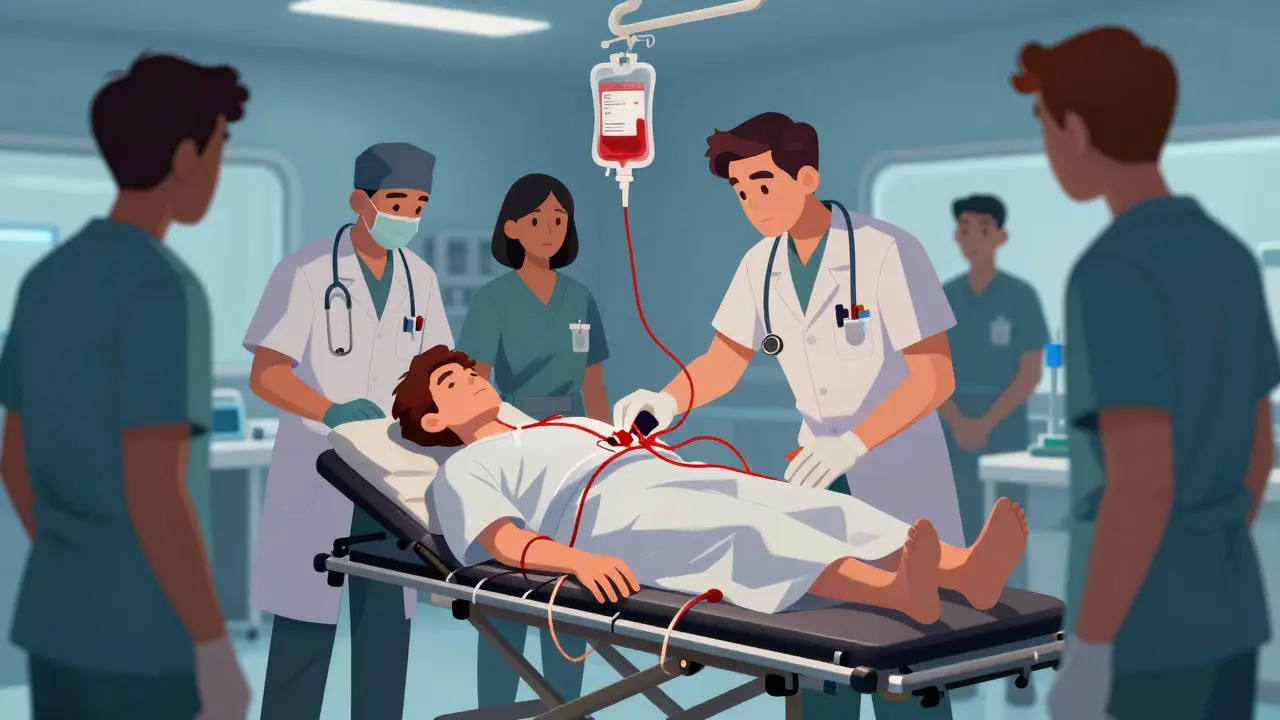
Blood Thinner Reversal Agent Selector
Which blood thinner are you using?
Select a blood thinner to see reversal information
-
-
-
Key Considerations
Select a blood thinner to see key considerations
Emergency Tip
Reversal is most effective when administered within 2 hours of bleeding onset. Always inform emergency medical staff immediately if you are taking blood thinners.
Imagine you are in the ER, bleeding badly. Your heart is racing, but not from fear-it's from the blood loss. You are on medication to keep your blood from clotting, but now that same medication is making the bleeding uncontrollable. In these moments, seconds count. Doctors need a way to turn off the effect of your medication instantly. This is where the concept of reversibility comes in. It is the difference between life and death for many patients taking anticoagulants.
For years, this was a major problem. Doctors could stop warfarin, but the newer drugs didn't have an 'off switch.' Now, that has changed. We have specific antidotes for the most common blood thinners. But knowing which one works for which drug is critical. Using the wrong one wastes precious time. In this guide, we break down exactly how these reversal agents work, when they are used, and what the risks are for patients and families.
Quick Summary / Key Takeaways
- Blood thinners prevent clots but can cause dangerous bleeding that requires immediate reversal in emergencies.
- Specific antidotes exist now for newer drugs like dabigatran (Pradaxa) and Factor Xa inhibitors (Xarelto, Eliquis).
- Idarucizumab reverses dabigatran, while Andexanet alfa reverses Factor Xa inhibitors.
- 4F-PCC is a non-specific option used when specific antidotes aren't available or affordable.
- Reversal carries risks, including a higher chance of forming new clots (thrombosis) after the bleeding stops.
Understanding Blood Thinners and the Need for Reversal
To understand the antidote, you first need to understand the drug. Anticoagulants, often called blood thinners, are medications designed to prevent blood clots. They are vital for people with atrial fibrillation (AF), a heart rhythm disorder that increases stroke risk. Without these drugs, a clot could form in the heart and travel to the brain, causing a devastating stroke.
However, the very mechanism that saves you from a stroke can kill you in a different way. If you fall, get into a car accident, or develop a spontaneous bleed in the stomach or brain, the medication prevents your body from stopping the bleeding. This is called major bleeding. In the United States, major bleeding related to these drugs leads to over 100,000 hospitalizations every year. About 15 to 20 percent of these cases can be fatal.
Historically, the situation was simpler. The older drug Warfarin (known by the brand name Coumadin) had been around for decades. Doctors knew exactly how to reverse it. They could give Vitamin K or a product called prothrombin complex concentrate (PCC). But when newer drugs arrived, they worked differently, and the old reversal methods didn't work well on them. This created a gap in emergency care that took years to fill.
The New Era: Specific Reversal Agents
The pharmaceutical industry eventually developed specific antidotes for the newer class of drugs known as NOACs (Novel Oral Anticoagulants). These include drugs like dabigatran (Pradaxa), rivaroxaban (Xarelto), apixaban (Eliquis), and edoxaban (Savaysa). The FDA approved the first specific reversal agent, Idarucizumab, in 2015. A few years later, in 2018, Andexanet alfa was approved for the Factor Xa inhibitors. These approvals changed the landscape of emergency medicine.
Why do we need specific agents? Because non-specific methods like PCC are less effective and can be dangerous. Specific agents bind directly to the blood thinner in your bloodstream, neutralizing it immediately. This allows surgeons to operate or lets the body stop bleeding on its own. The goal is to achieve hemostasis-stopping the bleeding-quickly and safely.
Idarucizumab: The Antidote for Dabigatran
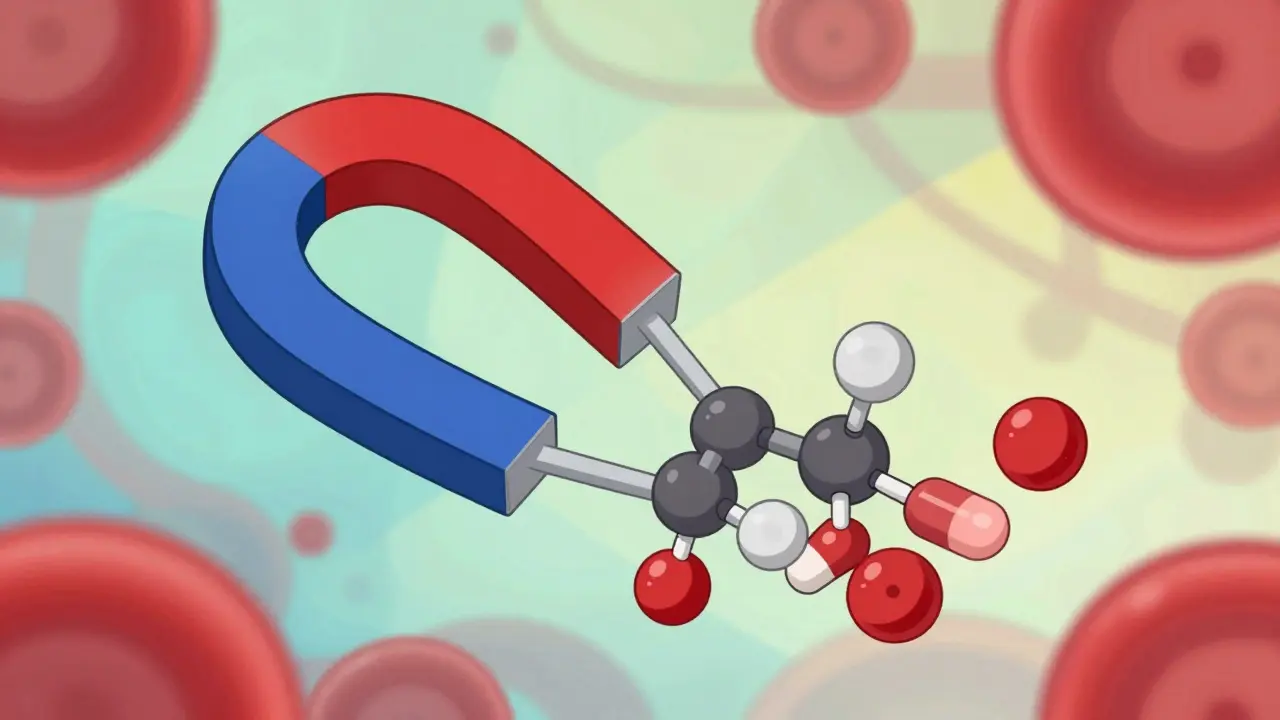
Let's look at Idarucizumab (brand name Praxbind). This is the go-to treatment for patients taking dabigatran. It is a monoclonal antibody fragment, which sounds complex, but think of it as a magnet. It is designed to find dabigatran molecules in your blood and stick to them tightly. Once attached, the dabigatran can no longer stop your blood from clotting.
Clinical trials, specifically the RE-VERSE AD study, showed that idarucizumab is incredibly fast. It achieves 100% reversal of the anticoagulant effect in the median patient. Doctors give it as an intravenous (IV) infusion, usually two 2.5g doses given quickly. In cases of urgent surgery, patients are often ready for the procedure within 1.6 hours of getting the drug. That speed is crucial when someone has bleeding in the brain.
However, it's not perfect. In about 23% of patients, the levels of dabigatran can rise again after the initial reversal. This is called rebound anticoagulation. It happens because the drug leaves the body slowly, and the antidote wears off. If this happens, doctors might need to give more idarucizumab. Monitoring patients for 24 to 48 hours after administration is standard practice to catch this.
Andexanet Alfa: Reversing Factor Xa Inhibitors
For the other major group of blood thinners-rivaroxaban, apixaban, and edoxaban-doctors use Andexanet alfa (brand name AndexXa). This drug works differently than idarucizumab. It is a modified version of a clotting factor itself. It acts as a decoy. The blood thinner binds to the andexanet alfa instead of your body's natural clotting factors. This leaves your natural clotting system free to work.
The ANNEXA-4 trial demonstrated that andexanet alfa stops bleeding in about 83% of participants. The median time to stop bleeding was 2.5 hours for gastrointestinal bleeds and intracranial hemorrhage. This is a significant improvement over previous methods. However, there is a catch. This drug carries a higher risk of causing new clots (thromboembolic events) compared to other options. Studies show a thromboembolic event rate of around 14% with andexanet alfa, compared to 8% with non-specific agents.
This risk means doctors have to weigh the danger of bleeding against the danger of clotting. If a patient is bleeding to death, the risk of a clot is secondary. But if the bleeding is less severe, doctors might choose a different approach to avoid triggering a heart attack or stroke later.
Non-Specific Options: Four-Factor PCC
Not every hospital has access to the specific antidotes, and they are very expensive. This is where 4F-PCC (Four-Factor Prothrombin Complex Concentrate) comes in. This is a non-specific reversal agent. It contains clotting factors that help the blood clot, regardless of what drug is in the system. It was originally developed for warfarin reversal but is now used for NOACs when specific agents aren't an option.
4F-PCC is much cheaper than the specific antidotes. While andexanet alfa can cost nearly $18,000 per treatment, 4F-PCC is often priced between $1,500 and $3,000. For many hospitals, especially community ones, this price difference dictates the protocol. Efficacy studies show that 4F-PCC achieves effective hemostasis in about 77% of patients with intracranial hemorrhage, which is comparable to andexanet alfa in some analyses.
However, 4F-PCC is less precise. It floods the system with clotting factors, which can increase the risk of clots even more than specific agents in some scenarios. It is generally considered a second-line treatment if the specific antidote is unavailable or if the patient cannot afford it.
| Agent | Target Drug | Cost (Approx.) | Hemostasis Rate | Thrombosis Risk |
|---|---|---|---|---|
| Idarucizumab | Dabigatran | $7,600 (2 vials) | 82% (ICH) | Low (5%) |
| Andexanet alfa | Factor Xa Inhibitors | $17,900 | 75-83% | Moderate (14%) |
| 4F-PCC | Warfarin / NOACs | $1,500-$3,000 | 77% (ICH) | Moderate (8%) |
Risks, Costs, and Decision Making
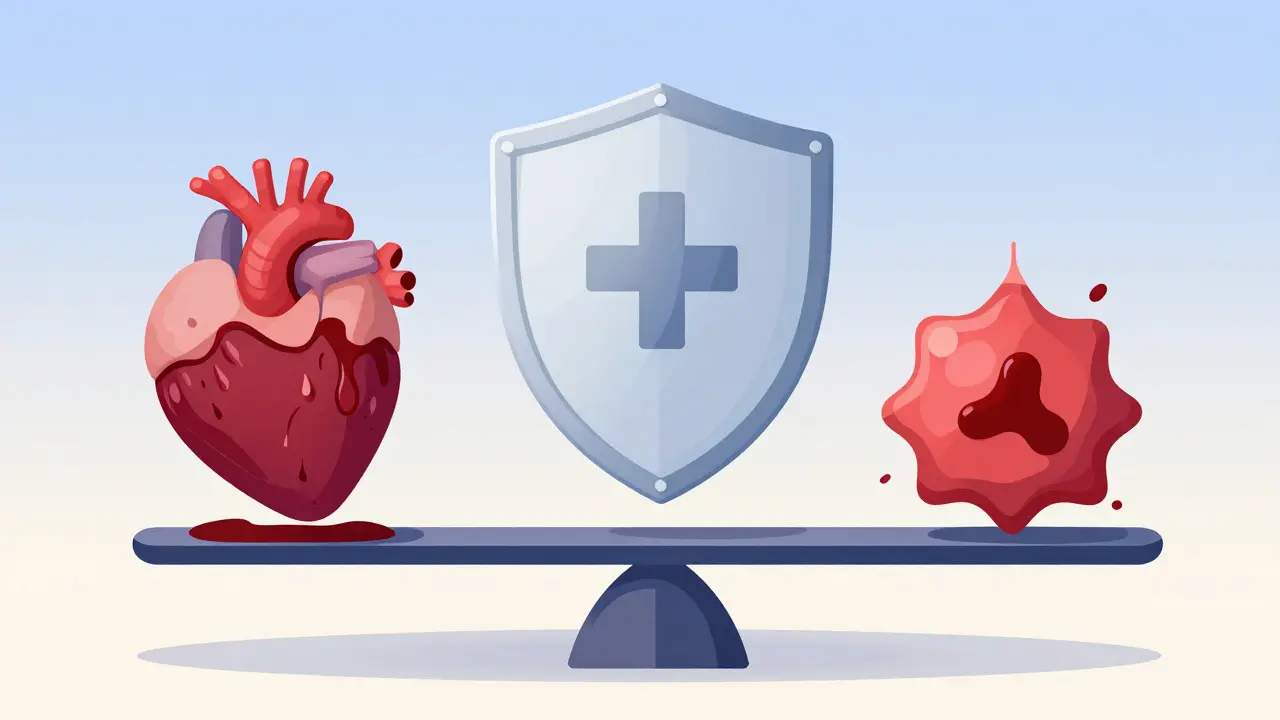
Reversing blood thinners is not without consequences. The primary risk is thromboembolism. By stopping the anticoagulant effect, you are removing the protection against clots. For patients with atrial fibrillation, this is a serious concern. If a clot forms and travels to the brain or lungs, it can be fatal. Studies indicate that thromboembolic events occur in a significant percentage of patients after reversal, particularly with andexanet alfa.
Cost is another major barrier. The high price of specific reversal agents means that not all patients get them immediately. Some hospitals restrict their use to the most severe bleeding cases. This can lead to disparities in care. A patient at a large academic medical center is more likely to get the specific antidote than a patient at a smaller community hospital. The American Heart Association guidelines acknowledge this, suggesting that non-specific alternatives are acceptable in resource-limited settings.
Another challenge is timing. Reversal is most effective when given within 2 hours of the bleeding onset. Delays in diagnosis or administration reduce the chances of survival. This is why medical alert bracelets are so important. If a patient cannot speak, the bracelet tells doctors immediately what medication they are on, speeding up the decision to reverse.
Future Developments and Universal Antidotes
Medical science is not standing still. Researchers are working on a "universal" reversal agent that could work for all types of blood thinners, including heparin and NOACs. One candidate, Ciraparantag (PER977), has shown promise in trials. It has demonstrated the ability to reverse edoxaban and other anticoagulants within minutes. As of 2026, this is still in development, but it represents the future of emergency care.
There is also a push for better point-of-care testing. Currently, doctors often have to guess the drug levels or rely on standard coagulation tests that don't always measure NOACs accurately. New testing devices could allow doctors to see exactly how much drug is in a patient's blood and dose the reversal agent precisely. This would reduce the risk of under-dosing or over-dosing.
What Patients Should Know
If you are taking blood thinners, you should know that an antidote exists for your specific medication. Ask your doctor which one covers your prescription. Keep a list of your medications with you at all times. In an emergency, telling the triage nurse you are on a blood thinner is the first step to getting the right treatment.
Also, be aware of the signs of major bleeding. These include severe headaches, vomiting blood, coughing up blood, or black, tarry stools. If you experience these, go to the ER immediately. Do not wait to see if it stops on its own. The window for effective reversal is narrow.
What is the difference between warfarin reversal and NOAC reversal?
Warfarin is reversed using Vitamin K and prothrombin complex concentrate (PCC), which have been available for decades. NOACs (newer blood thinners) require specific monoclonal antibodies like idarucizumab or andexanet alfa, which were approved more recently to target these specific drugs.
How much do reversal agents cost?
Specific reversal agents are very expensive. Idarucizumab costs approximately $3,800 per vial (usually two are needed), while andexanet alfa can cost around $17,900 per treatment course. Non-specific agents like 4F-PCC are significantly cheaper, often under $3,000.
Can reversal agents cause blood clots?
Yes. By neutralizing the blood thinner, you increase the risk of forming new clots (thromboembolism). Studies show thromboembolic event rates can be as high as 14% with andexanet alfa, compared to lower rates with other agents.
How quickly do reversal agents work?
Idarucizumab works almost immediately, achieving 100% reversal in the median patient. Andexanet alfa typically stops bleeding within 2.5 hours. Speed is critical, especially for brain bleeds, so administration should happen as soon as possible.
What should I do if I am bleeding while on blood thinners?
Seek emergency medical help immediately. Inform the medical staff about your medication. Do not wait for the bleeding to stop on its own, as the medication prevents natural clotting. Time is critical for effective reversal.
Managing blood thinners is a balancing act. The medication protects you from stroke, but it carries the risk of bleeding. The existence of reversal agents gives doctors and patients peace of mind, knowing there is a safety net. However, this safety net comes with its own risks and costs. Understanding these details helps you make informed decisions about your health and ensures you are prepared if the worst happens.

It is really reassuring to know that there is a safety net for people on these medications. Knowing there is a way to stop the bleeding instantly gives me peace of mind about my own health choices. The peace of mind factor is huge for families dealing with chronic conditions. We often forget how scary it is to be in the ER with uncontrollable bleeding. Having a specific antidote changes the entire dynamic of emergency care. I hope more people understand the importance of medical alert bracelets. It just takes a second to wear one and it could save a life. The cost is definitely a barrier but the technology is there now. We need to keep pushing for better access to these life-saving drugs. Everyone deserves a chance to get the right treatment regardless of where they live.
This discussion highlights a critical gap in modern emergency medicine protocols. The availability of specific antidotes represents a significant milestone for patient safety. However, the financial implications cannot be overlooked when considering widespread accessibility. Many community hospitals simply do not possess the budget to stock these expensive agents. Consequently, patients in rural areas may receive inferior care compared to urban centers. The disparity in treatment options based on geography is a troubling ethical issue. We must advocate for policies that ensure equitable access to life-saving medications. The risk of thromboembolism following reversal is a serious consideration for clinicians. Balancing the immediate need to stop bleeding with the long-term risk of clotting is complex. Patients should be educated about these risks before starting anticoagulant therapy. Informed consent processes need to include detailed discussions about reversal capabilities. Medical alert bracelets are a simple yet effective tool for improving emergency outcomes. Future developments in universal antidotes could streamline this chaotic landscape significantly. Point-of-care testing will likely reduce the margin of error in dosing these agents. Ultimately, the goal is to save lives without introducing new preventable hazards.
its crazy how much money they charge for this stuff and regular people cant afford it. the rich get the good drugs and the poor get the old stuff. it is not fair at all how the system works right now. nobody thinks about the cost until they need it. hospitals should not be able to charge that much for a shot. we need to fix this before more people die because of price tags. the government should step in and regulate these prices immediately. it is a human right to get treated when you are bleeding. why should a hospital decide who lives based on insurance. this is a serious problem that needs a serious solution.
nobody actually reads this stuff anyway
calling the antidote a magnet is such a funny way to put it. i guess that is what happens when you try to explain science to normal people. the whole concept of reversing a drug instantly sounds like science fiction. it is wild that we finally have an off switch for these things. i wonder how many people died before they figured this out. the pharmaceutical companies must be making a killing on these antidotes. it is almost like they planned the problem and the solution together. still good to know it exists if you are in a bad spot. just hope you do not need to use it in real life. the stress of that situation is enough to kill you on its own.
the fear of bleeding is heavy on the heart when you take these pills. it feels like walking on a tightrope over a pit of vipers. knowing there is a net below helps but the fear never really goes away. the emotional weight of knowing you could bleed out from a small cut is real. we carry this anxiety every single day we take the medication. it changes how you live your life and how you interact with the world. the physical risk is there but the mental toll is just as significant. you start to avoid things that might cause a fall or an injury. it is a constant negotiation between health and safety. the antidote is a lifeline but it does not fix the fear. we need to talk more about the psychological side of this treatment. it is not just about the blood and the clots. it is about the mind and the spirit too.
life and death balance is what this is all about really. one moment you are safe and the next you are in danger. the medicine protects you from one threat but opens you to another. it is a philosophical dilemma wrapped in a medical procedure. the reversal agents are tools but they are not perfect solutions. we have to accept that there is always a risk involved. the choice to take the drug is a choice to accept the potential bleeding. the choice to reverse it is a choice to accept the potential clotting. there is no perfect path in this medical landscape. we just have to navigate the risks as best we can. knowledge is power when you are making these decisions. understanding the tradeoffs helps you live with the uncertainty. it is a heavy burden to carry on your own shoulders.
I think it is great that they are working on universal antidotes. It would make things so much simpler for everyone involved. Doctors would not have to guess which drug the patient is on. Patients would not have to worry about the specific brand name. The future of medicine looks a little brighter with these developments. It is good to see progress in such a critical area. We should all support research that saves lives like this. It is important to stay informed about these changes. Your doctor is the best person to talk to about your specific situation. Keep your medication list handy at all times.
stop hiding the truth about the risks involved with these drugs. they tell you it is safe but then you bleed to death. the companies do not care about your health they care about profits. you are just a number to them and a revenue stream. do not trust what they say in the commercials or the pamphlets. the real story is about control and money not about saving lives. you need to wake up and see the bigger picture here. the system is designed to keep you dependent on their products. do not let them fool you into thinking this is all for your benefit. it is a trap and you are walking right into it blindly.
It is interesting to see the different options available now for reversal. The cost difference between the specific and non-specific agents is stark. It makes you wonder about the priorities in healthcare funding. Access to these treatments should not depend on where you live. I hope more hospitals can afford to stock the better options soon. It is a complex issue with no easy answers right now. We have to weigh the risks and benefits carefully for each patient. The medical community is doing its best with what they have. Patients need to be proactive about their own safety and information. Sharing this knowledge helps everyone stay safer in the long run.
The information provided regarding the reversal agents is highly informative. It is essential for patients to understand the specific antidotes available for their medication. The distinction between warfarin and NOACs is clearly explained in the text. Cost remains a significant factor in the decision-making process for clinicians. Equitable access to these life-saving treatments is a priority for healthcare systems. The potential for thromboembolic events must be carefully monitored post-reversal. Medical alert bracelets are a recommended safety measure for all patients. Future advancements in testing and universal antidotes are promising developments. Patients should maintain open communication with their healthcare providers. This guide serves as a valuable resource for families and individuals.
pharmaceutical industrial complex manipulation is the real story here. they create the problem and then sell the solution at a premium. the data is skewed to make the expensive drugs look better. independent studies would show a different reality about the efficacy. the FDA is just a rubber stamp for the big corporations. you are being fed a narrative that benefits the shareholders not the patients. the cost of these drugs is a direct tax on your life. the risk of clots is minimized in their reports intentionally. do not fall for the marketing hype about safety nets. it is a controlled experiment and you are the subject.
wow this is scary but good info :) thanks for sharing the details. it is important to know what happens in an emergency situation. the speed of the reversal is really impressive to read about. i hope nobody ever has to use this knowledge but it is good to have. the cost is a real issue that needs to be addressed soon. we should all wear those bracelets just in case. stay safe out there everyone and take care of your health :) the medical field is doing some amazing work with these new drugs. it gives me hope for the future of emergency medicine. keep up the good work on educating people about this.