
Antihistamine Dose Calculator
Enter your current antihistamine and dose to see safe escalation options.
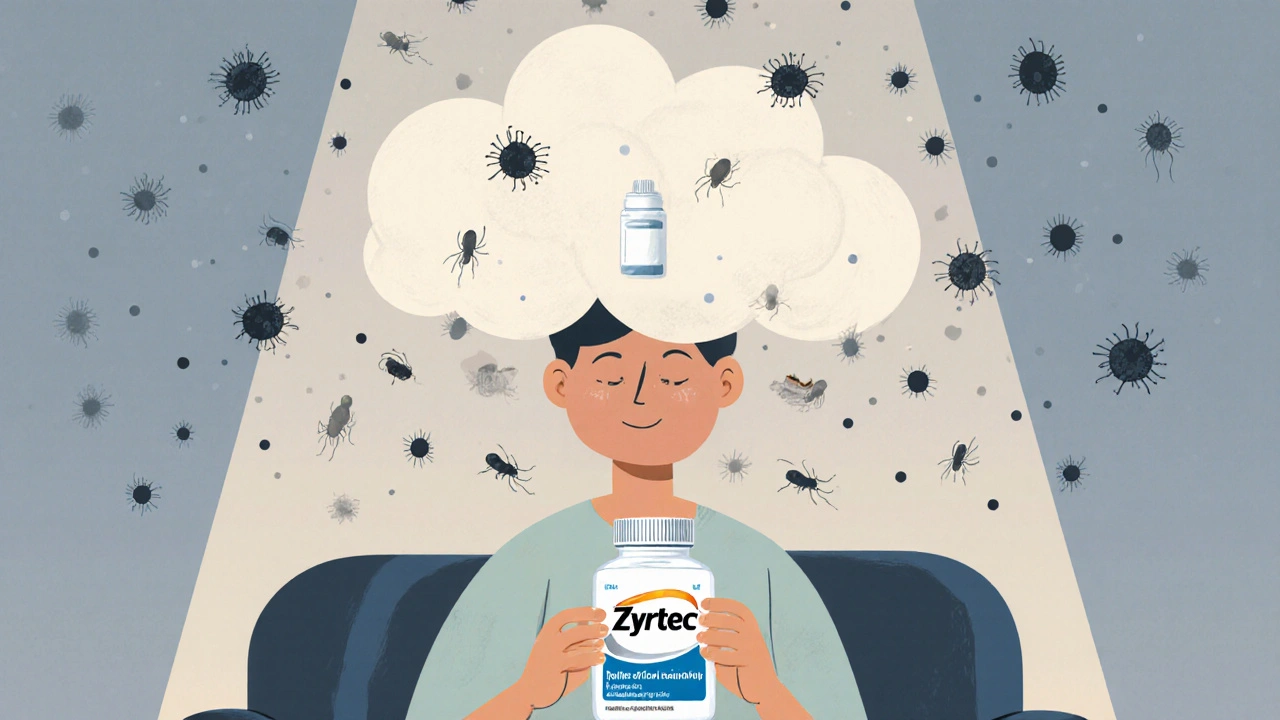
Have you been taking the same antihistamine for months-or years-and suddenly noticed it’s not doing what it used to? You take your daily Zyrtec, Claritin, or Allegra, but your eyes still itch, your nose still runs, and your skin still breaks out. It’s frustrating. You’re doing everything right, so why does it feel like the medicine has given up on you?
The truth is, you’re not alone. Thousands of people report this exact experience. But here’s the twist: antihistamine tolerance might not be what you think it is.
What Does ‘Tolerance’ Really Mean?
When people say their antihistamine has stopped working, they usually mean one of two things: either the drug doesn’t relieve symptoms like it used to, or they need to take more to get the same effect. That sounds like tolerance-the same thing that happens with painkillers or sleep aids over time. But with antihistamines, it’s not that simple.
First-generation antihistamines like diphenhydramine (Benadryl) can cause drowsiness and may lose effectiveness faster, especially if used for sleep. That’s because they cross the blood-brain barrier and affect multiple receptors. But the second-generation pills most people take daily-cetirizine (Zyrtec), loratadine (Claritin), fexofenadine (Allegra)-are designed to avoid that. They’re targeted, non-sedating, and meant for long-term use.
So why do they seem to stop working?
The Science Behind the Confusion
There’s a major divide in the medical community. Some doctors say true tolerance doesn’t exist. Others say it’s common. The truth? It’s messy.
According to the European Academy of Allergy and Clinical Immunology (EAACI), there’s no solid proof that H1 receptors-where antihistamines work-downregulate or become less responsive over time. That’s different from opioids or benzodiazepines, which do cause receptor changes. Second-gen antihistamines bind differently and don’t trigger the same cellular adaptations.
But here’s what’s happening in real life: patients report losing effectiveness. A 2023 Reddit survey of 142 long-term users found 78% felt their antihistamine lost potency after six months. Drugs.com reviews of Zyrtec showed 28% of users over a year said it stopped working, with the average time being just over eight months.
So if it’s not tolerance, what’s going on?
It’s Probably Your Allergies, Not the Medicine
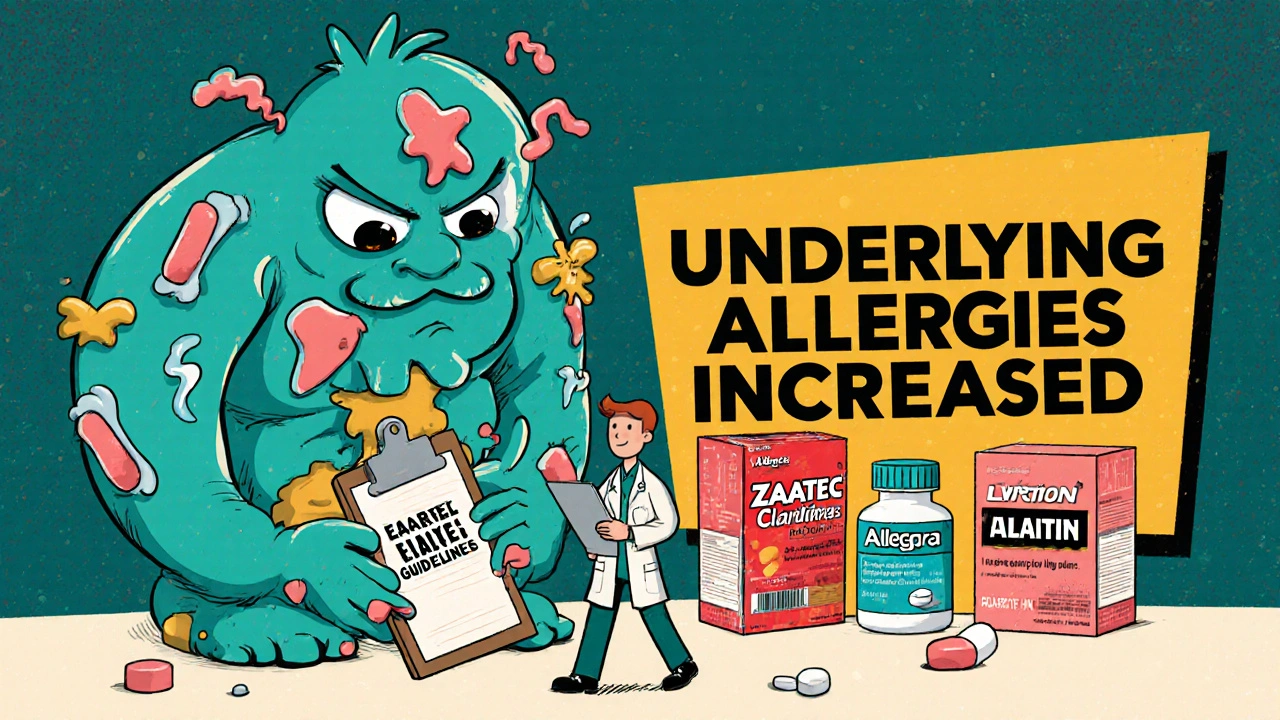
The most likely culprit isn’t your body getting used to the drug-it’s your environment getting worse.
Allergies aren’t static. They change. You might’ve moved to a new city with different pollen. Maybe you got a pet. Or your home has more mold now. Maybe you’re exposed to more pollution, or your immune system has become more reactive over time.
Dr. David Stukus from Nationwide Children’s Hospital puts it plainly: “The most common reason antihistamines appear to stop working is that the patient’s underlying allergy burden has increased or changed.”
Think of it like this: if you used to take one Tylenol for a headache and now need two, it’s not because your body tolerates Tylenol. It’s because your headache got worse.
And here’s the kicker: most people don’t track their symptoms. A Mayo Clinic survey of 350 chronic allergy sufferers found that while 41% believed their antihistamine had lost effectiveness, only 17% had actually kept a symptom diary. Without data, it’s easy to assume the drug failed-when really, the problem moved.
What About Dose Escalation?
Some doctors will tell you to just take more. And sometimes, that works.
A 2017 study of 178 people with chronic hives showed that 78% didn’t respond to the standard once-daily dose. But when doctors increased the dose up to eight times higher, nearly half (49%) got significant relief. That’s not tolerance-it’s underdosing.
Current guidelines from EAACI say it’s safe to increase second-gen antihistamines up to four times the normal dose. Fexofenadine and cetirizine are well-tolerated at these levels, with no major safety concerns in healthy adults. The FDA even lifted restrictions on high-dose use in 2022 after reviewing pharmacovigilance data.
But here’s the catch: increasing the dose only helps if the problem is under-treatment-not true resistance. If your symptoms are getting worse because your allergies are flaring, more antihistamine might just be a band-aid.
Why Some People Rotate Antihistamines
You’ve probably heard of “antihistamine rotation”-switching between Zyrtec, Claritin, and Allegra every few months. It’s a popular strategy on forums like Reddit and Facebook groups.
35% of long-term users do this, according to IQVIA’s 2023 market analysis. But here’s the problem: there’s zero scientific proof it works better than sticking with one.
All three drugs are in the same class. They block the same receptor. Switching from Zyrtec to Allegra won’t reset your body’s response. It’s like switching from one brand of ibuprofen to another because your headache didn’t go away. It’s not the brand-it’s the headache.
That said, some people report feeling better after switching. Why? Maybe because they took a break. Or maybe the new pill has slightly different side effects (like less dry mouth), making them feel more in control. But it’s not tolerance being reversed.
What Actually Works When Antihistamines Fall Short
If your antihistamine isn’t cutting it anymore, don’t just reach for a higher dose or a new pill. Think bigger.
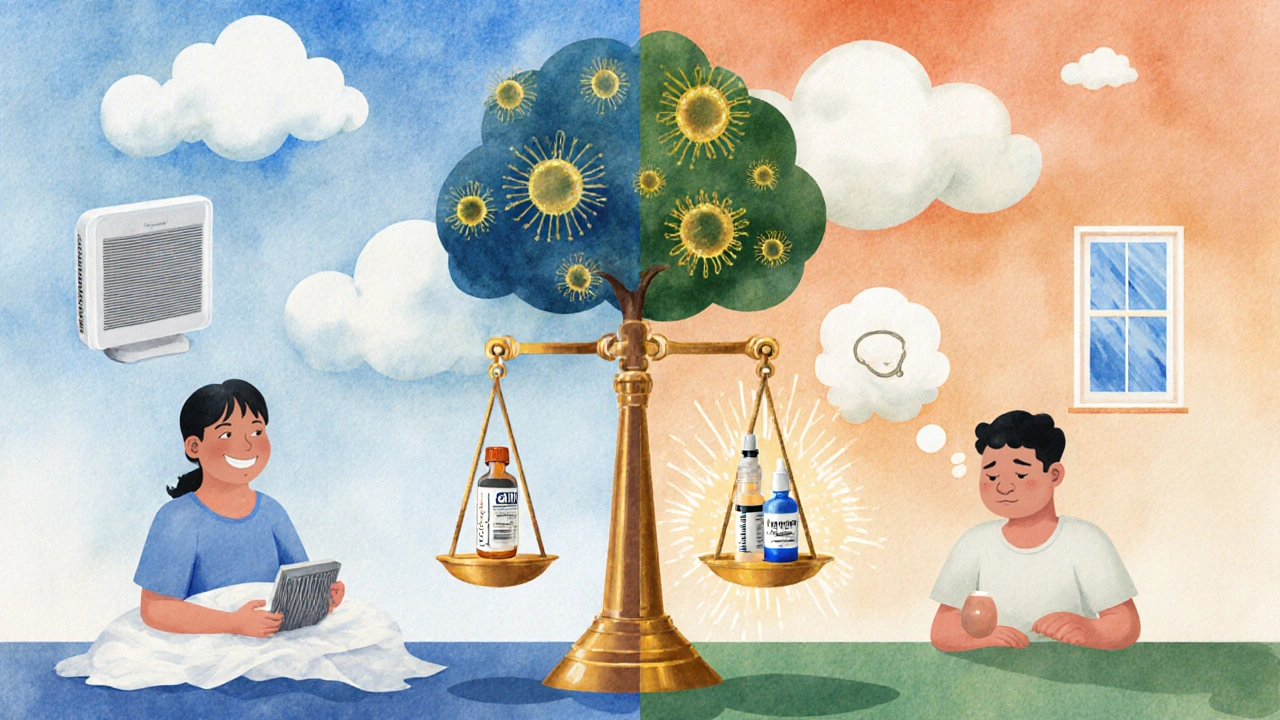
Here’s what allergists recommend when antihistamines aren’t enough:
- Switch to a nasal corticosteroid spray. Flonase, Nasacort, or Rhinocort are far more effective for nasal allergies than pills. A 2023 meta-analysis showed 73% of patients had better symptom control with nasal sprays than with oral antihistamines alone.
- Try immunotherapy. Allergy shots or sublingual tablets (drops or pills under the tongue) train your immune system to stop reacting. Studies show 60-80% of people see long-term improvement after 3-5 years. It’s not fast, but it’s the only treatment that changes the disease itself.
- Consider biologics. For chronic hives that don’t respond to high-dose antihistamines, Xolair (omalizumab) is FDA-approved and works for about half of patients. It’s an injection given every few weeks, and it targets the root cause-not just the symptom.
- Reduce triggers. Use HEPA filters. Wash bedding weekly. Shower after being outside. Keep windows closed during high pollen days. Simple changes can cut your exposure by 50% or more.
And here’s something surprising: in the Mayo Clinic survey, 68% of people who switched from antihistamines to nasal sprays or immunotherapy reported major improvement. That’s not tolerance being fixed. That’s better treatment being used.
When to Worry
Most of the time, antihistamines just seem less effective because your allergies got worse. But there are red flags:
- Your symptoms are getting worse even with higher doses
- You’re developing new symptoms like wheezing, swelling, or trouble breathing
- You’re relying on first-gen antihistamines (like Benadryl) for sleep or daily relief
- You’ve been taking them for years without seeing a specialist
If any of these apply, it’s time to see an allergist. Not to get a stronger pill-to figure out what’s really going on.
The Bottom Line
Antihistamines aren’t failing you. Your allergies might be. Your environment might be. Your treatment plan might just be outdated.
You don’t need to keep taking more pills. You don’t need to rotate brands. You don’t need to feel guilty for thinking your medicine stopped working.
What you need is a better plan.
Start by tracking your symptoms for two weeks. Note when they’re worse. What were you doing? Where were you? What did you eat? Then talk to a doctor-not to get a higher dose, but to explore options that actually change your long-term outcome.
Because the goal isn’t to make the pill work again. It’s to make your life better.
Can you really build up a tolerance to Zyrtec or Claritin?
There’s no strong scientific evidence that second-generation antihistamines like Zyrtec or Claritin cause true pharmacological tolerance. H1 receptors don’t typically downregulate with long-term use. What people experience as tolerance is usually a worsening of allergies, environmental changes, or underdosing-not the drug losing its power.
Should I increase my antihistamine dose if it stops working?
For chronic urticaria or severe allergies, increasing the dose up to four times the standard amount is safe and often effective, according to EAACI guidelines. But for most people with allergic rhinitis, a higher dose won’t fix the problem if the root cause is environmental exposure or disease progression. Always consult a doctor before increasing your dose.
Is it safe to take antihistamines every day for years?
Yes. Second-generation antihistamines like cetirizine, loratadine, and fexofenadine have excellent long-term safety profiles. They don’t cause liver damage, addiction, or organ toxicity with daily use. The main risks are dry mouth, mild drowsiness (rare with second-gen), and potential interactions with other medications. Regular check-ins with a doctor are still recommended.
Why do some people say Benadryl stops working for sleep?
Benadryl (diphenhydramine) is a first-generation antihistamine that affects the brain and can cause drowsiness. With daily use, your body can adapt to this sedative effect, leading to reduced sleep benefits. It’s not ideal for long-term sleep aid use. Better alternatives include melatonin, sleep hygiene changes, or treating the underlying cause of poor sleep like allergies or anxiety.
What’s the best alternative if antihistamines aren’t working?
For nasal symptoms, intranasal corticosteroids like Flonase or Nasacort are more effective than oral antihistamines. For long-term relief, immunotherapy (allergy shots or drops) can reduce or eliminate your reaction to allergens. For chronic hives, Xolair (omalizumab) is a targeted biologic that works when antihistamines fail. Always talk to an allergist before switching treatments.

Okay, let me just say this-I’ve been on Zyrtec for six years straight, and yeah, it felt like it stopped working last spring. But here’s the thing: I moved to a coastal city with 10x more mold and pollen, started working from home with a cat, and never changed a single thing about my routine. Turns out, my body didn’t get used to the drug-I just got buried under a new allergy apocalypse. This post nailed it. It’s not the medicine failing. It’s your life getting more aggressive with allergens. Time to upgrade your strategy, not your dosage.
OMG I KNEW IT!!! I switched from Zyrtec to Claritin and suddenly I could breathe again?? Like, it was MAGIC. So yeah, rotation works. I don’t care what the ‘science’ says, my nose doesn’t lie. Also, I think the pharmaceutical companies are hiding the truth. #AntihistamineConspiracy
i feel you. i was taking allegra every day for years. then one day i just… stopped feeling it. i thought i was broken. but then i started washing my sheets every week and using a HEPA filter. wow. what a difference. no magic pill. just cleaner air. and honestly? it made me feel better about myself too. like i was taking care of my space. small things matter.
Been there. Did the dose escalation thing. Went from 10mg to 40mg of cetirizine. Felt like a superhero for two weeks. Then back to sneezing like a cartoon character. The real win? I finally saw an allergist. Got a nasal spray. Now I don’t even think about pills. Just spray and go. Life’s too short to be constantly itchy.
This is such a needed perspective. So many people blame the medicine when it’s actually their environment changing. I started keeping a symptom journal after reading this-and holy cow, my worst days were always after I vacuumed or opened the windows. I didn’t realize how much my habits were triggering me. Tracking helped me fix the real problem. You’re not broken. Your world just needs a little adjustment.
It’s fascinating how we default to pharmacological solutions for biological problems that are actually ecological. We treat symptoms like failures of chemistry, when they’re often signals of imbalance in our surroundings. The body doesn’t ‘tolerate’ antihistamines-it adapts to a world that’s become more hostile to its equilibrium. Maybe the real question isn’t ‘why did the drug stop working?’ but ‘why did my environment become so intolerable?’
Rotating antihistamines is a placebo with extra steps. You’re not resetting receptors-you’re just distracting yourself from the fact that you’re allergic to your own damn apartment.
While the anecdotal reports of perceived tolerance are indeed prevalent, it is imperative to distinguish between psychosomatic perception and pharmacodynamic desensitization. The EAACI guidelines are unequivocal: H1 receptor downregulation has not been demonstrated in longitudinal studies of second-generation antihistamines. Therefore, any perceived reduction in efficacy must be attributed to confounding variables, including but not limited to: increased allergen exposure, inadequate dosing, or non-adherence to environmental mitigation protocols. Clinical correlation remains paramount.
i just started using flonase and i can’t believe i waited so long. it’s like someone turned off a faucet in my head. why does no one talk about this? i thought pills were the only way.
Yeah, but what if you’re allergic to your job? Or your partner’s dog? Or your city’s air? What if the problem isn’t your nose-it’s your whole damn life? I’ve been on antihistamines for a decade. I don’t even care if they work anymore. I just need to stop feeling like my body is betraying me every spring.
That’s exactly it. I thought I just needed a stronger pill. Turns out I needed a new apartment, a new cat-free zone, and the courage to say ‘no’ to my boss who insists on keeping the windows open in April. The medicine didn’t fail. I just stopped listening to my body’s warnings. Now I keep a pollen tracker on my phone. It’s weirdly empowering.