
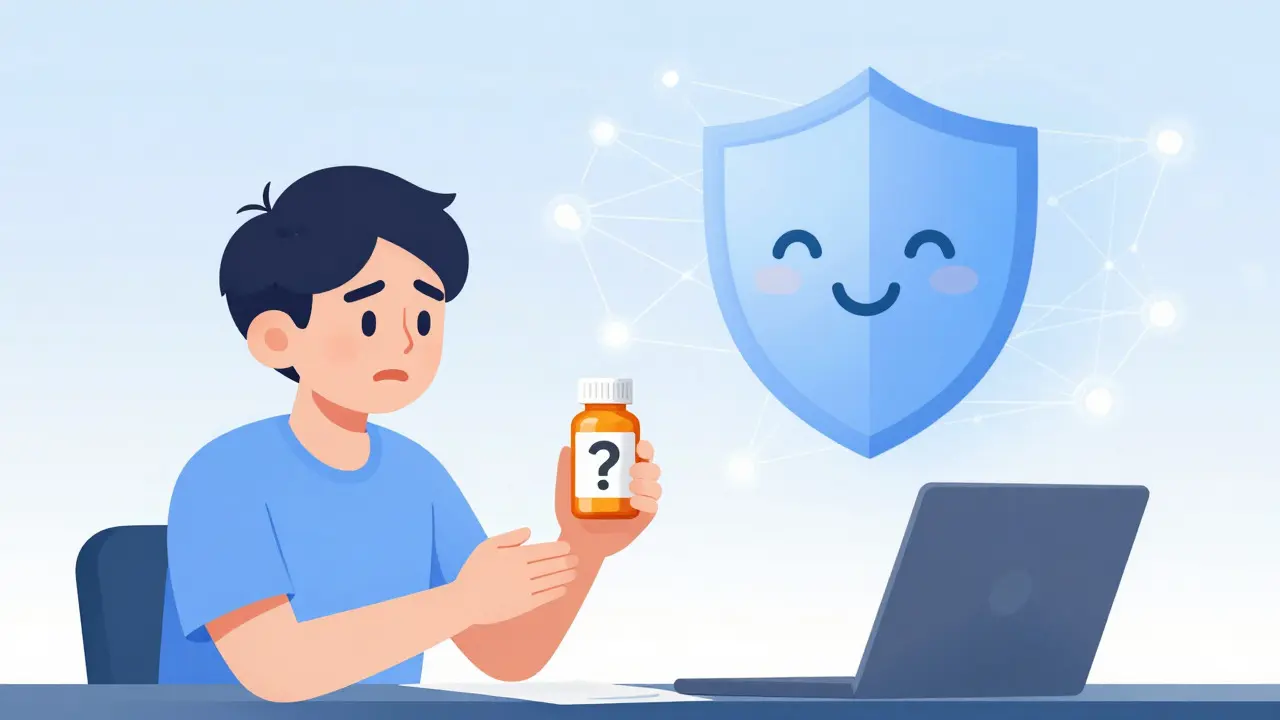
Did you know that only about 1 in 20 serious side effects ever make it into the official government database? Most people assume that if a pill is on the shelf, every possible reaction has been discovered. The truth is much messier. Clinical trials test drugs on thousands of people, but they miss rare or long-term issues that only show up when millions start using them. That’s where FDA MedWatch is the U.S. Food and Drug Administration's system for collecting reports of adverse events and safety concerns related to regulated products. It acts as the early warning system for medication safety in the United States.
If you’ve taken a medication and experienced something unexpected-whether it was a mild rash or a hospitalization-you have the power to flag it. Reporting isn’t just bureaucratic paperwork; it helps regulators spot patterns that might lead to new warnings, label changes, or even drug recalls. But how do you actually do it? And what exactly should you report?
What Counts as an Adverse Drug Reaction?
Before you open a browser tab, you need to know what qualifies. An adverse drug reaction (ADR) is any harmful or unintended response to a medicine taken at normal doses. This includes:
- Serious events: Death, life-threatening situations, hospitalization (or extended stay), permanent disability, or congenital anomalies.
- New or unlisted symptoms: Side effects not mentioned in the patient information leaflet.
- Unexpected severity: A known side effect that happens much worse than expected.
- Drug interactions: Harmful effects caused by taking two medications together.
The key thing to remember is that you don’t need to prove the drug caused the problem. In fact, the FDA explicitly says to report even if you’re unsure. Their job is to analyze the data and look for signals. If ten people report liver damage after taking Drug X, that’s a signal worth investigating, even if causation isn't proven yet.
Who Should Use Which Form?
MedWatch offers different forms based on who is reporting. Using the wrong one can slow down the process or cause your report to be discarded due to missing technical fields.
| Form Name | Target Audience | Key Features | Time to Complete |
|---|---|---|---|
| Form 3500B | Consumers, Patients, Caregivers | Plain language, available in English and Spanish, focuses on patient experience. | 15-20 minutes |
| Form 3500 | Healthcare Professionals (Doctors, Pharmacists) | Technical medical terminology, requires detailed clinical data, lab results, and diagnosis codes. | 15-20 minutes |
| Form 3500A | Manufacturers & Importers | Mandatory legal reporting, highly structured, linked to FAERS database. | Varies (often automated) |
For most readers of this guide, Form 3500B is the correct choice. It’s designed to be accessible without requiring a medical degree. You can fill it out online directly through the FDA website or download a PDF to mail later.
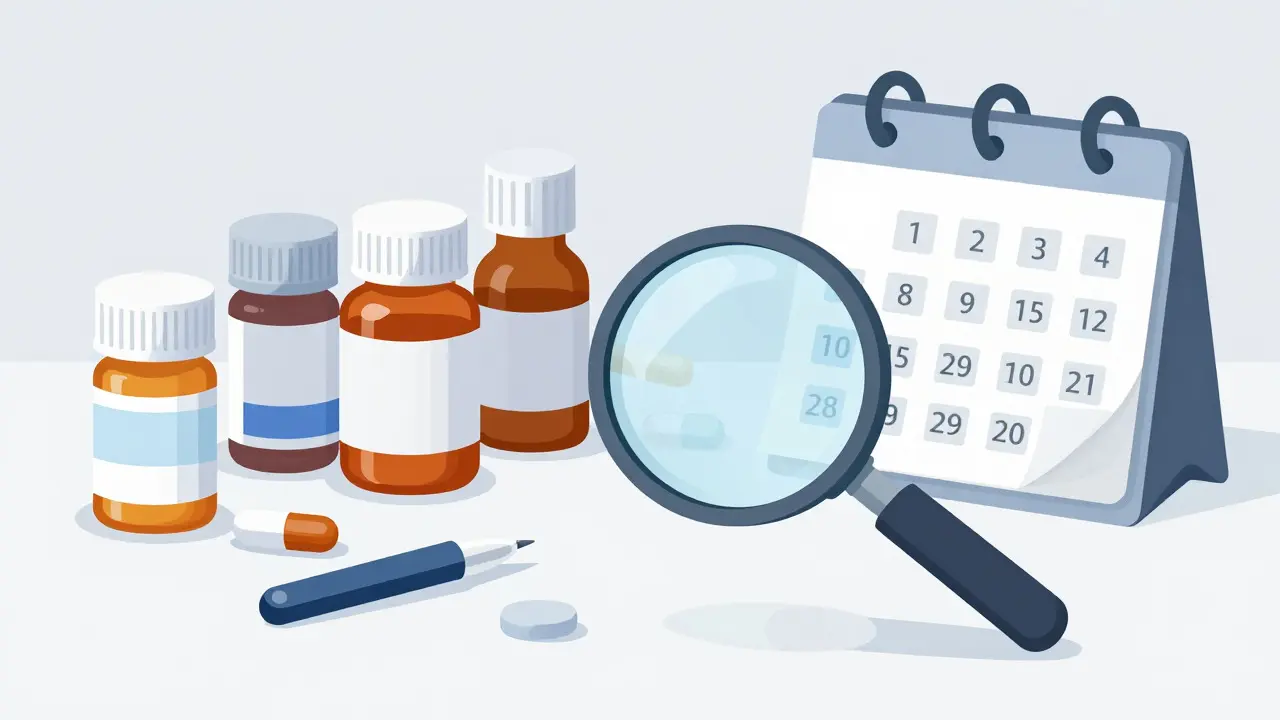
Step-by-Step: How to Submit a Report Online
You don’t need special software or an account to report a side effect. Here is the straightforward path to getting your report into the system:
- Go to the Official Site: Navigate to the FDA MedWatch page. Look for the link labeled “Report a Problem” or “Submit a Safety Report.” Avoid third-party sites that may charge fees or sell your data.
- Select Your Role: Choose “Consumer/Patient” to access Form 3500B. If you are a doctor, select “Healthcare Professional.”
- Enter Patient Information: You will need basic demographics like age, sex, and weight. For privacy, you can use initials instead of full names, though providing contact info helps if the FDA needs follow-up details.
- Describe the Product: Enter the brand name and generic name of the drug. Include the dosage strength (e.g., 50mg) and how often it was taken. If you have the packaging, keep it nearby to copy the National Drug Code (NDC).
- Detail the Adverse Event: Be specific. Instead of saying “I felt sick,” write “Experienced severe nausea and vomiting within 30 minutes of ingestion.” Note the start date and end date of the symptom.
- List Other Medications: Include all other drugs, supplements, or herbal remedies the patient was taking. This helps rule out interactions.
- Review and Submit: Double-check dates and spellings. Once submitted, you’ll get a confirmation number. Save this for your records.
Common Pitfalls to Avoid
Even with a simple form, many reports get stuck or lack useful detail. Here’s how to ensure your submission counts:
- Vague Descriptions: Avoid phrases like “bad reaction.” Specify the body part affected, the intensity, and any medical treatment received (e.g., “went to ER, given steroids”).
- Missing Dates: Timing is crucial for establishing potential causality. When did the drug start? When did the symptom appear? When did it resolve?
- Ignoring OTC Drugs: Over-the-counter painkillers, antihistamines, and supplements can also cause adverse reactions. These are fair game for MedWatch.
- Assuming Instant Action: Don’t expect the FDA to call you back immediately. As noted by experts, individual reports rarely trigger immediate action. They become powerful when aggregated.

Why Underreporting Is a Big Problem
Here’s the hard truth: the system relies heavily on voluntary participation from the public and healthcare providers. Studies suggest that only 6% to 10% of serious adverse events are ever reported. Why? Time constraints, lack of awareness, or the belief that “it’s probably nothing.”
This underreporting creates blind spots. If a dangerous interaction between two common antibiotics goes unreported because patients suffer silently, thousands could be at risk before the pattern emerges. By submitting your report, you contribute to the collective intelligence that protects future patients. Even if your case seems unique, it adds a data point to the massive dataset analyzed by pharmacovigilance teams.
What Happens After You Submit?
Your report enters the FAERS (FDA Adverse Event Reporting System) database. Analysts review these entries alongside millions of others. They look for “signals”-statistical clusters of similar events that exceed expected background rates.
If a strong signal appears, the FDA may:
- Update the drug’s labeling with new warnings.
- Issue a public safety communication.
- Require the manufacturer to conduct further studies.
- In extreme cases, remove the drug from the market.
You won’t usually hear back unless your case is exceptionally rare or complex. But rest assured, your data is working behind the scenes. The goal is continuous monitoring to ensure that the benefits of a medication continue to outweigh its risks for everyone.
Is my identity kept confidential when I report to MedWatch?
Yes. The FDA treats patient information as confidential. You can use initials instead of your full name. The agency uses the data for safety analysis, not for identifying individuals publicly.
Do I need to prove the drug caused my side effect?
No. You only need to suspect a link. The FDA explicitly encourages reporting even if you are unsure whether the product was the cause. Their analysts determine causality based on aggregate data.
Can I report side effects from over-the-counter medicines or supplements?
Absolutely. MedWatch covers prescription drugs, OTC medicines, dietary supplements, medical devices, and even foods if they cause serious allergic reactions.
How long does it take to fill out Form 3500B?
Most consumers complete the online form in 15 to 20 minutes. Having your medication packaging and a list of other drugs handy can speed up the process.
Will the FDA contact me after I submit a report?
Usually, no. Individual reports are processed automatically into the database. However, if your case involves a novel or severe event, an analyst might reach out for more details. Providing accurate contact info increases this chance.

Great guide! 🙌 I always forget to include the NDC code when reporting, so thanks for the reminder. It’s wild how much data we can contribute just by taking a few minutes online.
This is basic stuff that everyone should already know. The FDA doesn't need your help if you're not even sure what caused the issue. Most reports are garbage data anyway because people don't understand pharmacology. Just take your pills and shut up unless it's life-threatening.
While skepticism has its place, dismissing individual reports entirely undermines the collective intelligence model described in the post. The system is designed precisely to filter noise from signal through aggregation. Ignoring the process benefits no one.
One must question the integrity of a system where the manufacturer also holds significant sway over the regulatory body. Are these reports truly independent, or do they serve to sanitize the public record while protecting corporate interests? The lack of transparency regarding how 'signals' are prioritized is deeply concerning for any rational observer.
It is a moral imperative to report these issues. We owe it to future patients to ensure their safety. Silence is complicity in a broken system that profits from our suffering. If you have experienced harm, you have a duty to speak up, not just for yourself, but for the greater good of society.
As a pharmacist, I can confirm that Form 3500B is incredibly user-friendly; however, many patients still struggle with the technical details; specifically, distinguishing between side effects and allergic reactions; it is crucial to be as specific as possible about symptoms; timing is everything; please keep your medication bottles handy; this makes the process much smoother; thank you for sharing this resource!
Yo! This is super helpful info! 👊 In Nigeria, we don't have an exact equivalent to MedWatch that is as accessible, so seeing this organized step-by-step is awesome. People often ignore side effects thinking it's normal, but reporting saves lives. Keep spreading the knowledge! Let's get more people involved in tracking these drugs globally!
In my country, health literacy varies greatly, and having clear instructions like this bridges a huge gap. It empowers individuals who might otherwise feel powerless against large pharmaceutical companies. Encouraging proactive health management is key to better community outcomes.
i usually just google side effects and assume im fine but this makes sense. will try next time something weird happens
Look, I've filled out these forms before and it's tedious. But yeah, if you're going to do it, make sure you list every single supplement you take. Doctors love to blame interactions but rarely ask about the herbal tea you drink daily. Just get it done quickly and move on.
The underreporting statistic is staggering; indeed, it reflects a broader societal apathy towards systemic health monitoring; we must educate ourselves; furthermore, we must encourage others; the burden of proof should never rest solely on the patient; rather, it is a shared responsibility; let us be vigilant; let us be informed; let us act.